Pelvic pain can make everyday activities such as sitting, exercising, or getting a full night’s sleep more difficult. Adjusting daily routines and seeking support can help you manage how pain affects your day. Here are some lifestyle modifications and support for coping with pelvic pain:
Adapt Daily Activities
Daily tasks place strain on the pelvis, and repeated strain often leads to flare-ups. Sitting for long stretches compresses muscles and nerves, and long periods on your feet load the hips and lower back. A simple plan alternates these positions, and it keeps your schedule in mind. Short movement breaks throughout the day help your body reset and make long tasks feel more manageable.
Work setups often influence pelvic pain; small changes at your desk can sometimes reduce pressure. Adjusting chair height may shift weight away from sensitive areas, and a footrest often supports the lower back. Some people rotate between a standard chair and a standing desk, and others use a cushion with a center cutout. The goal is a position that feels sustainable and lets you focus on your tasks.
Review Food and Bathroom Habits
Digestive habits may influence pelvic structures, and small changes here sometimes ease pressure and bloating. Some people notice that symptoms change after meals, and patterns often show up over several days. Tracking these changes in a journal can show links between food, digestion, and discomfort.
Adjust Eating Patterns
Large meals often leave the abdomen feeling heavy, and that sometimes worsens pelvic pain. Small, frequent meals often place less strain on digestion and are easier to tolerate. Some people notice that highly processed foods or very salty options cause more bloating, and others react to certain spices. Steady water intake throughout the day may support digestion and regulate bowel movements.
Support Regular Bathroom Routines
Straining during bowel movements puts direct pressure on pelvic muscles, and repeated straining can keep pain active. A routine bathroom schedule trains the body to move more predictably, and that often lowers anxiety around symptoms. Taking time on the toilet instead of rushing may help muscles relax, and a small footstool often supports a better position.
Build Your Support Network
Living with ongoing symptoms often feels isolating, and that may lead to unhelpful habits. A reliable support network can help you share the load and stick with practical changes. Friends or family members can help with errands during difficult stretches and remind you to rest before pain spikes. Local or online pelvic health groups offer shared experience and can point you toward useful resources.
Clear communication keeps this network effective. Explaining which tasks are hardest for your body helps others offer targeted support and sets realistic expectations. Agreeing on backup plans for busy days prevents last-minute stress, and it gives you options when symptoms flare.
Seek Professional Care
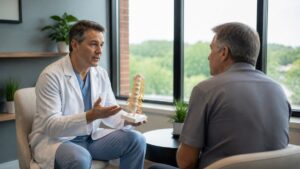
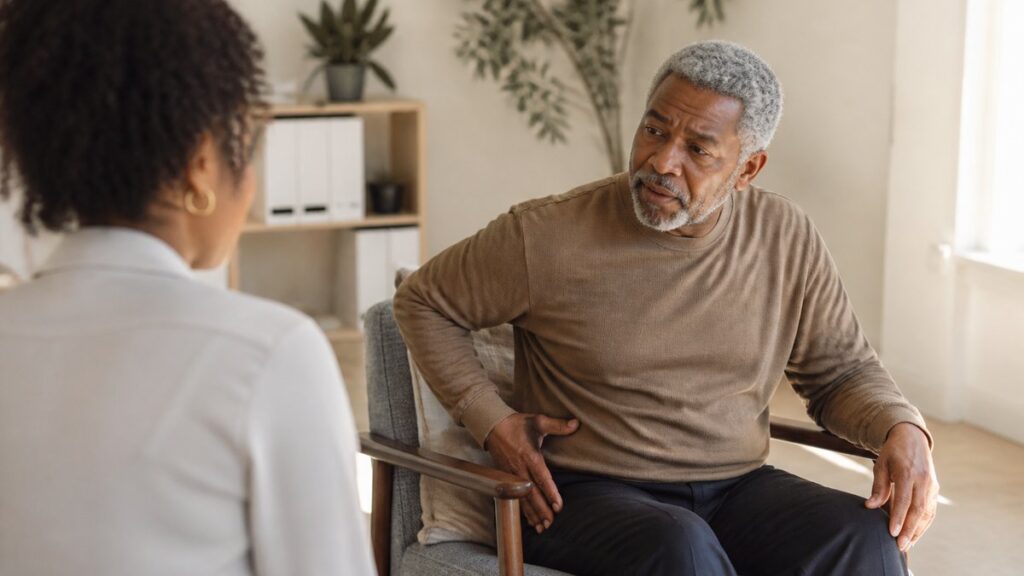
Self-directed changes go a long way, but pelvic pain benefits from guidance from trained professionals. Early conversations about new or changing pain patterns can rule out urgent concerns, and they also guide next steps. Here are some key specialists that address pelvic pain:
- Primary care provider: This clinician reviews your overall health and coordinates referrals to relevant specialists when needed.
- Gynecologist or urologist: These specialists evaluate reproductive and urinary structures, and they recommend targeted testing or treatments.
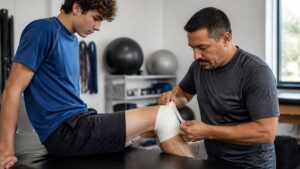
- Pelvic floor physical therapist: This therapist assesses muscle strength and tension and designs exercises and relaxation strategies.
Schedule Your Pelvic Pain Consultation
Long-term pelvic pain often improves when daily habits, personal support, and professional care are combined in a clear plan. At-home adjustments can reduce strain on sensitive structures, and structured guidance helps you track what actually works. Contact a qualified urologist near you to schedule your pelvic pain consultation today.