

What Patients Should Know About Joint Replacement
Joint replacement is a surgical procedure used to relieve pain and restore function in joints damaged by arthritis or injury. During the operation, surgeons remove worn or damaged joint surfaces and replace them with artificial components designed to improve movement. This treatment is often recommended when conservative measures such as medication, injections, or physical therapy no longer provide adequate relief. Following surgery, rehabilitation and physical therapy help patients regain strength, mobility, and daily function. Here is more information on what patients should know about joint replacement: Understanding The Process Joint replacement surgery is designed to relieve pain and improve mobility

Tips for Maximizing Your Physical Therapy Sessions
Physical therapy provides a structured approach to restoring movement and managing bodily limitations through guided exercises. Therapists evaluate your current physical condition, and they design a treatment plan that addresses your specific needs. Because recovery depends on consistent effort, the rehabilitation process requires your participation in clinical sessions and at home. Here are some tips for maximizing your physical therapy sessions: Follow Your Home Exercise Program Your home exercise program is a key part of your recovery, and it’s designed to reinforce the progress made during therapy sessions. Your therapist assigns specific movements for you to practice between in-person visits.
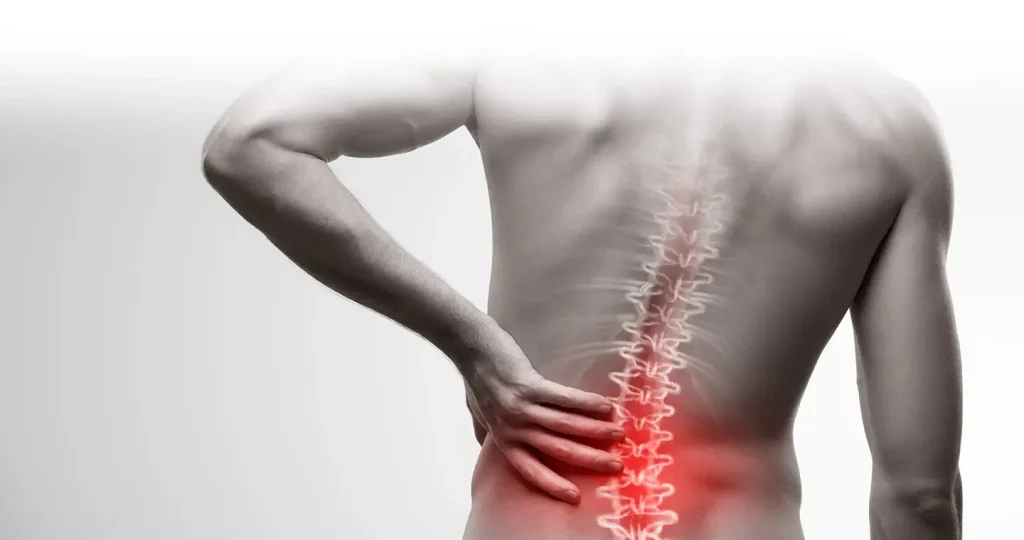
Lifestyle Changes to Prevent Lower Back Pain
Lower back pain causes dull aches and sharp stiffness. Proper prevention requires effort, and lifestyle changes offer relief. Because improper lifting strains muscles, you must learn safe techniques. While lower back pain exists, lifestyle adjustments are available. Reduction of Weight for Mobility Carrying excess body weight may cause lower back pain. This pressure can cause aching pain and reduce mobility. Extra weight worsens strain, so gradual weight reduction is recommended to ease your back’s load. Reducing body weight takes time; consistent effort builds habits. Strengthening core muscles may also be an option. Small, steady eating habit changes support better health,