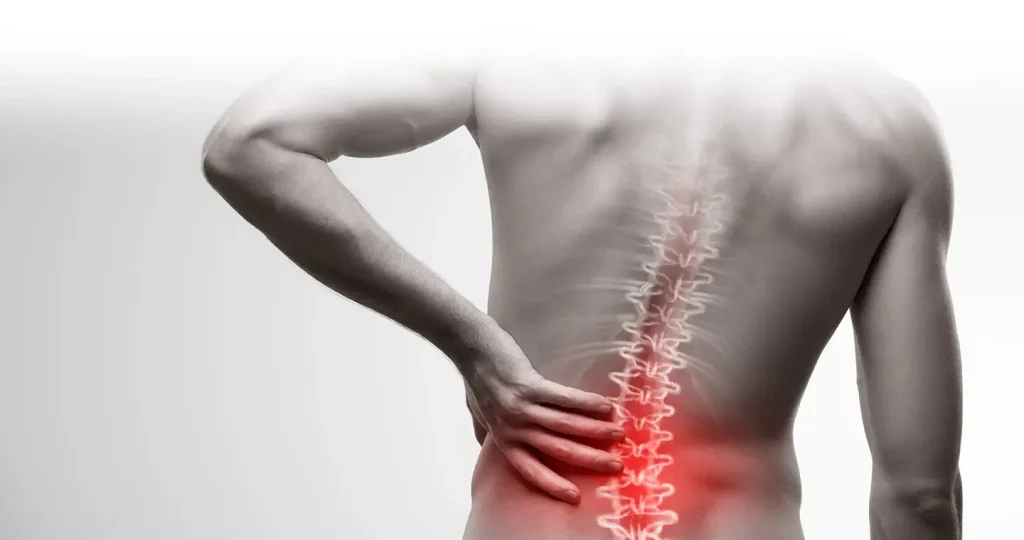
Lower back pain causes dull aches and sharp stiffness. Proper prevention requires effort, and lifestyle changes offer relief. Because improper lifting strains muscles, you must learn safe techniques. While lower back pain exists, lifestyle adjustments are available.
Reduction of Weight for Mobility
Carrying excess body weight may cause lower back pain. This pressure can cause aching pain and reduce mobility. Extra weight worsens strain, so gradual weight reduction is recommended to ease your back’s load. Reducing body weight takes time; consistent effort builds habits. Strengthening core muscles may also be an option. Small, steady eating habit changes support better health, though results vary. Maintain a healthy weight, and support your overall mobility.
Setting realistic goals supports long-term changes, and tracking your progress encourages steady habits. Diet adjustments influence body mass over extended periods. Eating smaller portions limits calorie intake, and choosing a variety of nutrient-rich foods supports overall health. Balanced meals with vegetables, proteins, and grains are recommended. As your weight shifts, your back’s burden may change, and some report fewer muscle aches. Since approaching weight management slowly and steadily helps address lower back concerns, follow your provider’s plan.
Therapy Utilization and Recovery
Some people use ice therapy to reduce swelling, while others use heat therapy to relax muscles. Heat and ice therapy comfort sharp or persistent back pain. A back brace stabilizes your core during tasks, especially if you need extra support at work or activity. Physical therapy builds strength and restores mobility; therapists design exercise plans to meet your needs. Continuing exercises at home maintains the benefits gained during therapy. Gentle rest after injury is sometimes advised, so avoid further tissue stress. Applying ice and heat as needed is part of your routine. If you require extra support, back braces and rest offer structure for self-care. Therapy and supportive measures may also include:
- Using a back brace after recovery when pain occurs.
- Alternate heat and ice applications to help manage comfort.
- Following the physical therapist’s exercise plan at home for ongoing support.
Exercise Implementation and Suggestions
Sedentary habits weaken muscles, so introduce daily movement and stretches to maintain flexibility. Regular exercise can help prevent muscle or ligament strains. Simple activities like walking or swimming are gentle on your back, and you can select low-impact options if needed. Targeted core and stretching exercises help stabilize your spine. Reclining or resting often provides temporary comfort, and these approaches fit into your daily routine. Rest supports recovery; exercise maintains strength for daily activities. Strengthening abdominal muscles might improve posture, and it sometimes changes pain. Regular physical activity may aid individuals with degenerative disc disease. Periodic stretching is recommended, and strength exercises can address skeletal irregularities. Improved endurance and range of motion are reported after maintaining these routines. If you move safely, you support flexibility and reduce pain. Exercise is used to address stiffness and movement limitations.
Treat Lower Back Pain Today
Preventative care requires consistency, and daily habits matter greatly. You can start these lifestyle changes today. If you experience radiating pain, modify activities. Focus on weight loss and regular physical therapy exercises. Implement these changes carefully, and monitor your back stiffness. Before starting new exercises, consult professionals to guide your recovery. Begin your dedicated back pain prevention habits immediately.