While osteoporosis affects many people, some common beliefs about it are wrong. Misinformation can lead to missed screenings and poor decisions. Understanding the facts helps you take the right steps for your bone health, and it starts with separating myth from reality.
Silent Early Warning Signs
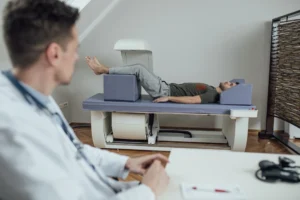
Bone loss happens silently. You may not notice anything until a fracture occurs. Early-stage osteoporosis causes no pain, and it produces no visible signs. Your bones can lose density for years while you seem healthy. A bone density screening detects low bone mass before a fracture, so regular testing matters. This test is quick and painless, and it gives your provider a clear picture of your bone strength. Since catching bone loss early gives you more treatment options, it helps you protect your independence as you age.
A weakened spine can fracture during daily activities. Vertebral fractures are common, and they can compress the spine gradually over time. These fractures may cause height loss or a curved posture, but they sometimes also happen without pain, making them easy to miss until damage is done. A stooped posture develops slowly, and it may affect your balance and mobility. Even routine movements, like bending or lifting, can cause a fracture in fragile bones.
Hidden Personal Risk Factors
Age and sex are risk factors, but they are not the only ones. Menopause is a significant risk factor for women because estrogen loss accelerates bone density decline, and this process can begin years before the final menstrual period. This is why screening matters as you approach this stage of life. Because these factors interact, a complete assessment gives you the clearest picture of your risk. Common risk factors include:
- Low calcium intake, physical inactivity, and smoking
- Certain medications and conditions, like rheumatoid arthritis or thyroid disorders
- Male sex and younger age, since osteoporosis is not limited to older women.
- Genetics, prior fractures, and a thin frame or small body size
Low calcium intake, physical inactivity, smoking, and certain medications all increase your risk. Men can develop osteoporosis too, and younger adults are not immune. Some conditions, like rheumatoid arthritis and thyroid disorders, also affect bone health. Menopause is a significant risk factor for women.
Effective Treatment and Management
Osteoporosis is manageable, since multiple treatment options exist. Your provider will weigh your age, risk level, and medical history before recommending a treatment. Some medications are taken daily, while others are given weekly, monthly, or by injection. The right choice depends on your preferences and how your body responds. It is not suitable for everyone, and it requires a careful discussion with your provider. Your provider will review the benefits and risks based on your health profile. Factors like your age, time since menopause, and other conditions affect this decision. Regular follow-up visits help your provider adjust your plan as needed.
Discuss Osteoporosis Today
Understanding the facts about osteoporosis puts you in a stronger position to manage it. Bone loss is not inevitable, and early action makes a measurable difference. Ask your provider about bone density screening, while discussing whether services like Osteoporosis care are right for you. Accurate information is the foundation of good care, and you deserve both.