
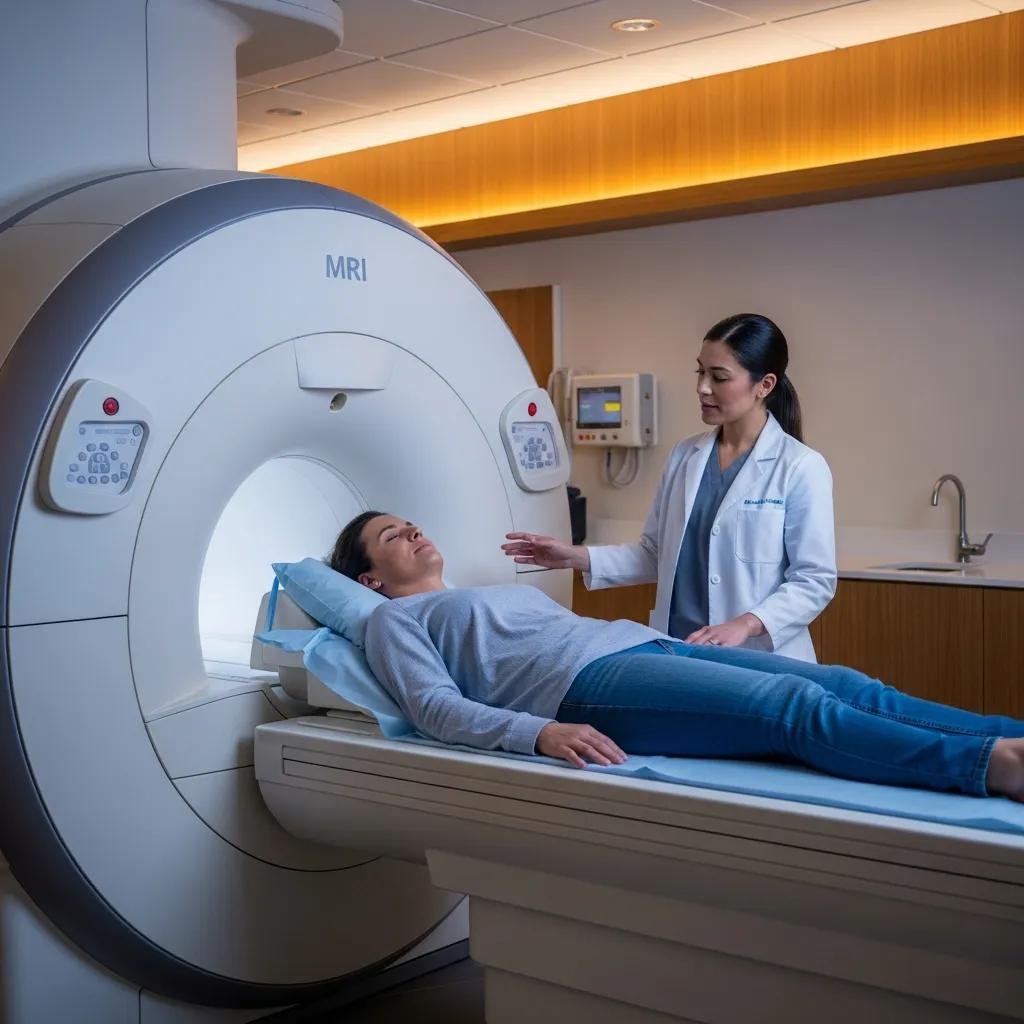
Body imaging plays a key role in the ongoing management of chronic conditions by providing detailed insights into internal structures and physiological changes over time. Through advanced technologies such as MRI, CT scans, and ultrasound, body imaging enables healthcare professionals to monitor disease progression. They also evaluate treatment effectiveness and detect potential complications at an early stage. This continuous, non-invasive assessment supports more informed clinical decisions and personalized care strategies in managing various chronic conditions.
Cardiovascular Conditions
Regular monitoring is necessary for heart and blood vessel health, as it helps catch gradual changes. Body imaging offers a non-invasive way to examine blood flow and heart structure, and regular scans can track a blood vessel’s size over several years. Your care team can review these images and then adjust your routine or medications based on what they see. Since consistent cardiovascular monitoring relies on clear visual data, doctors use specialized scans to assess how well your heart pumps blood.
Cancer and Tumor Management
To track a tumor’s progress, your care team needs precise, regular measurements, and body imaging provides these exact details. These scans reveal a growth’s size and location, so your physician uses this visual feedback. They rely on it to decide if your treatment is working. Knowing your condition’s status often brings relief, and routine imaging eliminates guesswork from your long-term strategy. You can schedule follow-up visits in advance to maintain a consistent timeline.
Neurological Disorders
Conditions affecting the brain and nervous system demand detailed observation. Advanced imaging is used to capture clear images of neurological tissues over time, allowing doctors to detect subtle structural changes in the brain. Neurological monitoring requires patience, and regular scans provide a reliable way to track your progress. Since brain and nerve conditions often progress slowly, body imaging helps your healthcare team accurately document these minute shifts. Be sure to follow your doctor’s exact instructions regarding the frequency of these scans.
Musculoskeletal and Joint Disorders
If you have joint pain or bone issues, consistent monitoring can prevent further decline. X-ray imaging quickly assesses your bones, so your doctor might suggest routine scans. Seeing these physical changes helps your doctor plan your care, and this visual data supports lifestyle adjustments. Tracking skeletal conditions helps manage your mobility, while repeated imaging shows how well your bones are responding to treatment. You may need to visit a radiology center a few times a year for these checks.
Organ-Specific Chronic Diseases
Chronic diseases affecting the liver, kidneys, or lungs require regular visual check-ups, and ultrasound imaging provides a means of monitoring these organs. Doctors can look for signs of inflammation, and consistent monitoring reveals your organ’s condition, which guides your care strategy. Managing an organ-specific disease is a long-term commitment requiring accurate data, so your doctor will likely request periodic imaging.
Book Your Body Imaging Appointment
Body imaging remains a fundamental tool in your ongoing health management toolkit. We encourage you to contemplate how regular scans might improve your current care routine. Book an appointment with a comprehensive radiology center near you to begin your diagnostic and treatment process. Reaching out to a professional puts you in control of your chronic condition management, gives you the clarity you need, and helps you establish a productive monitoring schedule.