Recovering from an injury often requires more than rest alone. Sports medicine plays a fundamental role in injury rehabilitation by helping patients regain strength, improve mobility, and return to activity with a lower risk of further injury. Here is more information on why sports and exercise medicine is significant in injury rehabilitation:
Supporting Early Recovery
Early intervention plays a fundamental role in the recovery process, and sports medicine specialists use it to manage acute symptoms immediately. Here’s how they support early recovery:
- Accurate diagnostics: Providers use digital imaging tools to identify the exact location of the internal damage.
- Pain management: Clinicians prescribe specific treatments, and these protocols safely lower pain levels.
- Swelling reduction: Targeted compression helps limit joint swelling while it promotes better blood flow to the injured area.
These early medical steps form a stable foundation for the rest of the treatment plan. Patients must follow these initial guidelines, or they risk slowing down their overall progress. As the initial swelling subsides, the medical team shifts focus to long-term healing goals.
Restoring Strength and Mobility
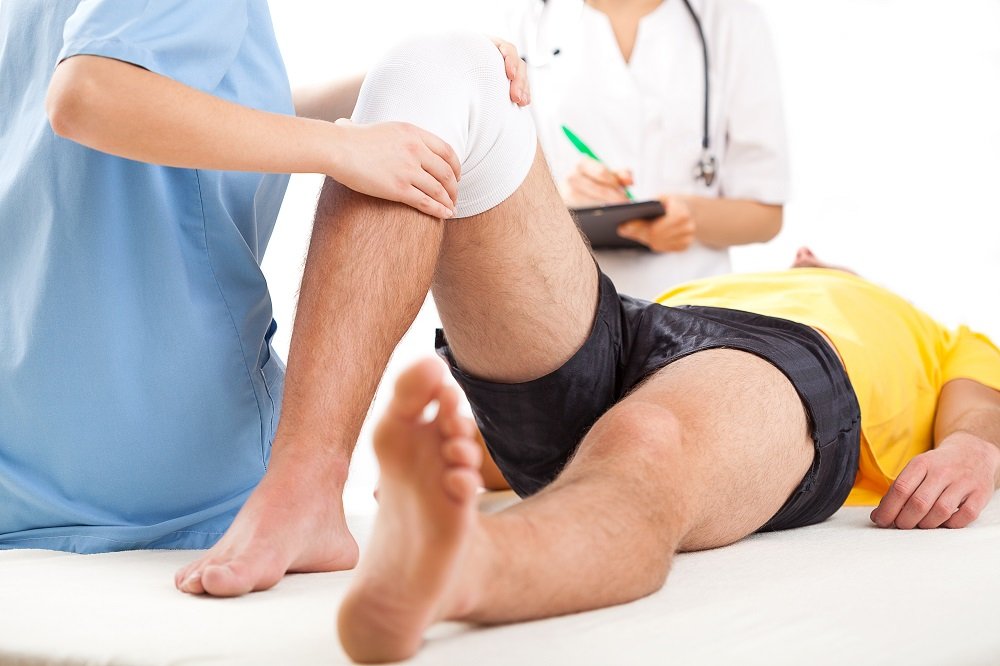
Muscle atrophy often occurs rapidly after a sports injury, limiting your daily physical movement. A sports medicine provider recommends specific exercises, and these routines help to rebuild lost muscle mass over time. Although the process takes commitment, guided physical therapy can restore natural joint mechanics safely.
Flexibility training is another key component of a clinical rehabilitation program. Tight muscles alter your regular gait, and this structural imbalance may create abnormal stress on other body parts. When therapists introduce gentle stretching, they help patients regain a full range of motion. Strength building progresses in measured, safe stages under medical supervision. Providers measure your baseline strength, and they adjust the exercise resistance levels accordingly.
Preventing Future Setbacks
Recurring injuries often lead to longer clinical treatment times. Providers use preventive strategies during rehabilitation to prevent recurring injuries. Here’s how they prevent setbacks:
- Biomechanical correction: Doctors analyze movement patterns and correct mechanical flaws that cause undue structural stress.
- Customized orthotics: Clinics often provide custom shoe inserts to support the foot arches while the feet heal from trauma.
- Gradual loading: Therapists increase exercise intensity slowly so the body can adapt to new physical demands without failing.
These preventive measures are a fundamental aspect of sports medicine. Patients learn proper movement techniques, and they apply these physical habits to their daily routines.
Guiding Safe Return to Activity
Returning to a sport requires careful planning and official medical clearance. Doctors conduct standardized functional tests, and these assessments confirm that the body can handle regular physical stress again. Until a patient passes these clinical benchmarks, the sports medicine physician will not clear them for full activity. This objective approach protects the patient from immediate re-injury.
The final stage of rehabilitation bridges the gap between basic therapy and full athletic performance. Specialists design sport-specific drills; these movements mimic the physical demands of the patient’s chosen activity. When an athlete practices these controlled motions, they can rebuild their physical capability safely. This phase also highlights any lingering mechanical deficits that need further medical attention.
Schedule Your Sports Medicine Appointment
Sports medicine provides a structured and clinical approach to musculoskeletal injury rehabilitation. Proper medical guidance can restore physical strength, and it prevents chronic physical setbacks from developing over time. When you work with experienced medical specialists, you receive targeted care that aligns directly with your physical goals. Contact a qualified sports medicine physician near you to schedule your appointment today.