Platelet-rich plasma, or PRP, is a concentrated form of platelets drawn from your own blood. Platelets contain growth factors, and these proteins play a role in the body’s natural repair process. PRP therapy uses this concentrate to support skin repair and healing. When acne, injury, or aging damages skin, repair can slow, and PRP offers one treatment option.
Understanding How PRP Supports Repair
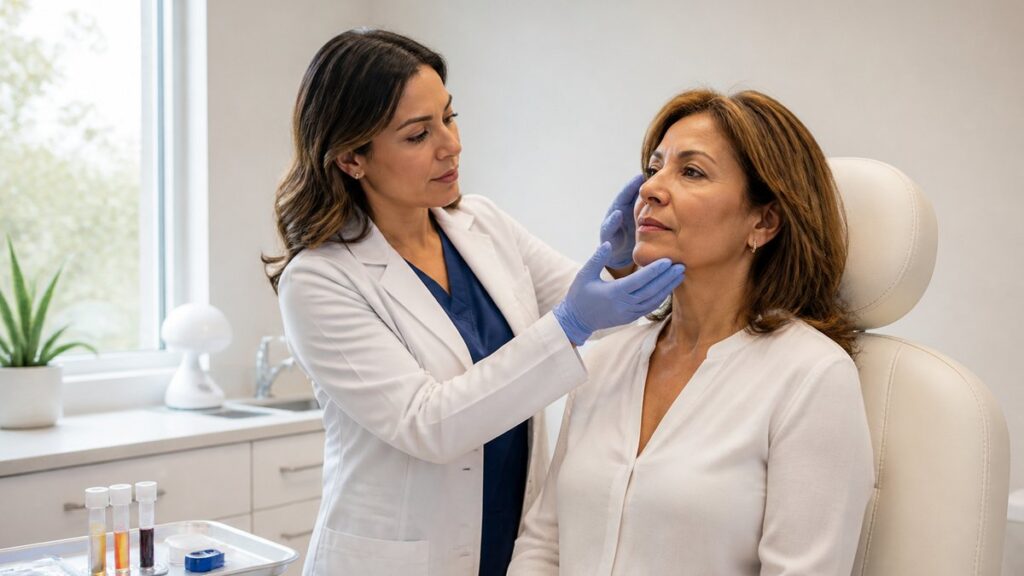
The process begins with a standard blood draw, typically from the arm. A provider places the sample in a centrifuge, which separates platelets from other blood components. The centrifuge step usually takes about 10 to 15 minutes. The resulting plasma contains more platelets than normal blood, and this concentration makes PRP useful for skin repair.
Application methods vary; some providers use microneedling to deliver treatment beneath the skin’s surface, while others apply it topically after a procedure. Once prepared, the provider applies PRP to the treatment area. The method depends on your skin concern and treatment goals. Most sessions take about an hour, and you can usually return to your normal routine the same day. Some providers use a topical numbing cream before treatment to keep you comfortable.
Identifying Skin Concerns
Common concerns PRP is used to address include:
- Acne scars: PRP delivers growth factors to deeper skin layers to support tissue rebuilding.
- Scars and stretch marks: A provider can assess whether PRP is a suitable option for these concerns.
- Skin tone and texture: PRP may support cell turnover in areas affected by sun damage or pigmentation changes.
- Signs of aging: As collagen production slows, treatment may help improve firmness, fine lines, and skin laxity.
- Recovery: PRP may support healing after laser treatments or chemical peels when used alongside them.
While PRP does not directly shrink pores, improved collagen density may make them appear smaller. Pore size is another issue some patients raise. Your provider can review your concerns, set a realistic timeline, and adjust your plan based on how your skin responds over time. PRP is often used for acne scars, and it may support the skin’s ability to rebuild damaged tissue.
Preparing for Treatment and Recovery
Preparation starts with a consultation, and this is the right time to ask questions and share concerns. Your provider will review your medical history, and you should list all current medications, including supplements. Tell your provider about your full health history. In the days before your appointment, a few simple steps help the process go smoothly. Drink plenty of water the day before to make the blood draw easier and support good vein access. Eat a light meal before your appointment to reduce the chance of feeling lightheaded during the blood draw. Avoid prolonged sun exposure in the days before your session, while not applying self-tanner or strong exfoliants to the treatment area.
Schedule Your PRP Consultation
A consultation is the first step. A provider will examine your skin, and you can ask questions about cost, timing, and expected recovery. Bring a list of your skin concerns and treatment goals. Ask about the provider’s training and experience with PRP. Skin repair takes time, and a clear plan helps you know what to expect. If PRP fits your needs, your provider will build a treatment plan. Contact a licensed provider today to discuss your options.