Proper wound care supports the body’s natural healing process and lowers the risk of serious complications. Following serious injury or surgery, wound care helps tissue successfully restore to health. Good nutrition, adequate hydration, and careful management of chronic health conditions further support tissue repair. Learn some techniques for optimal wound care.
Who Would Need Wound Care?
Certain individuals require more focused and ongoing care, including patients recovering from surgery who must protect their incisions to prevent infection and support proper closure. People who have experienced traumatic injuries from car accidents, falls, or physical assaults may have deep lacerations or complex wounds that need specialized treatment. Burn patients also require careful management to preserve skin function and minimize scarring.
Chronic health conditions can make healing more difficult. Individuals with diabetes often develop foot ulcers because of reduced circulation and nerve damage. Older adults and people with limited mobility face a higher risk of pressure injuries due to blood flow issues. Those with weakened immune systems or vascular disease may also experience slow-healing wounds, requiring professional oversight.
Why Does Wound Care Matter?
The skin serves as the body’s first line of defense against bacteria and other harmful organisms. When that barrier breaks, the risk of infection rises immediately. Proper wound care restores protection while the body rebuilds damaged tissue.
Careful treatment influences both the speed and quality of healing. A clean and protected wound allows new cells to form efficiently. In contrast, a neglected wound may become infected, reopen, or develop excessive scar tissue. Some untreated infections can spread to surrounding tissue or even the bone, leading to serious conditions like sepsis.
Wound issues also affect long-term appearance and function. Injuries to the face, hands, and joints can result in scarring that limits movement or alters appearance. Consistent care during the early stages of healing can minimize these outcomes. For people with chronic wounds, attentive management can prevent hospitalization and reduce pain.
Signs of Wound Infection
Even with careful attention, a wound can sometimes become infected. Recognizing the warning signs early allows you to seek treatment before the infection progresses. Contact a healthcare provider if you notice any of the following:
- Redness that spreads outward from the wound or grows larger over time
- Swelling or warmth around the injured area
- Pain that worsens rather than improves after the first few days
- Yellow, green, or cloudy drainage, often referred to as pus
- An unpleasant odor coming from the wound
- Red streaks extending from the wound toward the heart
- Fever, chills, or a general feeling of illness
- A wound that shows no signs of healing after a few weeks
These symptoms indicate bacteria may be multiplying within the tissue. Prompt medical evaluation can determine whether antibiotics, drainage, or other treatment is necessary.
Get Professional Wound Care
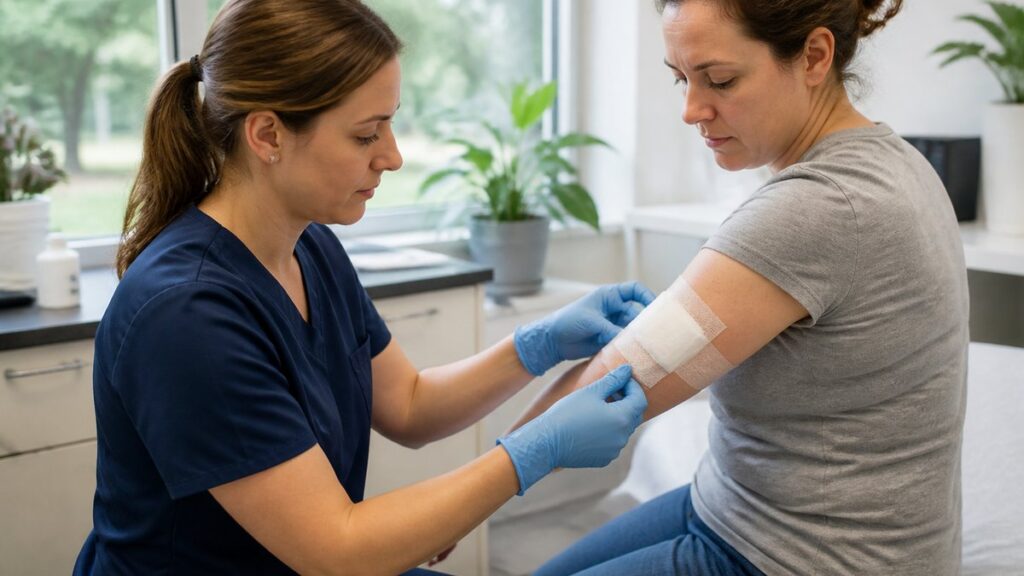
Optimal wound healing relies on consistent technique: clean hands, gentle cleansing, proper dressings, and daily monitoring. These steps protect against infection and support healthy, efficient healing. Wound care physicians offer advanced treatments that restore both form and function while minimizing scarring. If you have a wound that is not healing as expected or shows signs of infection, schedule an evaluation.