Veneers are thin shells designed to improve the appearance of teeth by covering discoloration, chips, and other cosmetic imperfections. Although veneers are durable, their longevity depends on oral hygiene and daily lifestyle choices. Here is more information on some lifestyle choices that affect the longevity of your veneers:
Maintain Consistent Oral Hygiene
Veneers do not decay, but the natural teeth and gums beneath them still need daily care. Daily care is fundamental to their appearance and stability. Plaque that collects along the gumline can affect the edges where veneers meet natural teeth. Here are some tips for maintaining oral hygiene:
- Brush twice a day: Use a soft-bristled toothbrush and a non-abrasive toothpaste.
- Floss once a day: Flossing removes food particles and plaque between teeth and along veneer edges.
- Choose an alcohol-free mouthwash: Some dentists recommend alcohol-free rinses for patients with composite veneers.
- Replace your toothbrush regularly: Swap your toothbrush every three to four months because frayed bristles clean less effectively.
Limit Stain-Causing Foods and Drinks
Porcelain veneers can resist stains well, but composite veneers absorb color more easily over time. Coffee, tea, red wine, cola, and dark berries contain strong pigments. These pigments can also settle on the bonding material at the edges, creating visible lines. Natural teeth next to veneers still stain, so frequent exposure can lead to an uneven shade across your smile. Drinking dark beverages through a straw can reduce contact with the front teeth, and rinsing with water after meals removes leftover pigment. If you use tobacco, ask your dentist how it affects the appearance of your specific veneer material.
Avoid Habits That Cause Damage
Veneers are strong, but they do not tolerate certain types of pressure as well as natural enamel. Repeated force or sudden impact can chip, crack, or loosen a veneer, often leading to repair or replacement.
Using Teeth as Tools
Opening packages, tearing tape, or biting fingernails places uneven pressure on the edges of veneers. Chewing ice, pen caps, and hard candy creates a similar risk. Keep scissors and bottle openers within reach to remove the need to use your teeth instead. When you eat hard foods such as nuts or crusty bread, chew with your back teeth to protect them.
Grinding or Clenching Your Teeth
Some people grind or clench their teeth during sleep without realizing it. This habit wears down veneer surfaces and increases the chance of chips. If you wake with jaw soreness or notice flattened tooth edges, tell your dentist and ask whether a custom night guard suits your situation.
Schedule Regular Dental Check-Ups
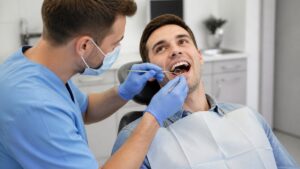
Routine dental visits give your dentist a chance to inspect veneers for small chips, worn edges, or gaps along the bonding line. Minor issues are easier to address early, while unaddressed problems often worsen and become more complex. Dentists often recommend a check-up and professional cleaning every six months, although your schedule may differ based on your needs.
Tell the dental team that you have veneers before your cleaning begins. The hygienist will select polishing pastes and tools that are safe for porcelain or composite materials. Professional polishing can restore shine to composite veneers that have dulled with time.
Schedule Your Veneers Appointment Today
The longevity of your veneers depends on consistent oral hygiene, mindful food and drink choices, protective habits, and regular dental check-ups. Each choice helps maintain their appearance and reduces the need for early repairs. Regular visits also let your dentist monitor the fit as your gums and bite change over time. Contact a qualified dentist near you to schedule your veneers appointment today.