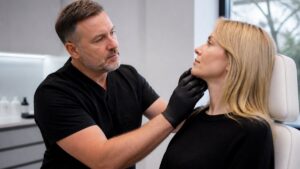
Routine dermatological evaluations identify cellular abnormalities at their earliest stages. Among various dermatological conditions, melanoma requires specific attention. Consulting a dermatologist who specializes in this condition provides patients with expert evaluations. They also offer accurate diagnostic testing and prescribe targeted treatment plans. This level of specialized care supports long-term physical well-being. It addresses cellular abnormalities before they progress.
What Is Melanoma?
This specific form of skin cancer originates in the melanocytes, the specialized cells responsible for producing melanin. Melanin gives human skin its brown or tan pigmentation. The disease occurs when these pigment-producing cells begin to multiply without typical biological controls. Age represents a significant risk factor. Men experience a higher overall incidence rate, but women exhibit higher diagnostic rates before reaching the age of fifty. The condition can develop at any stage of life.
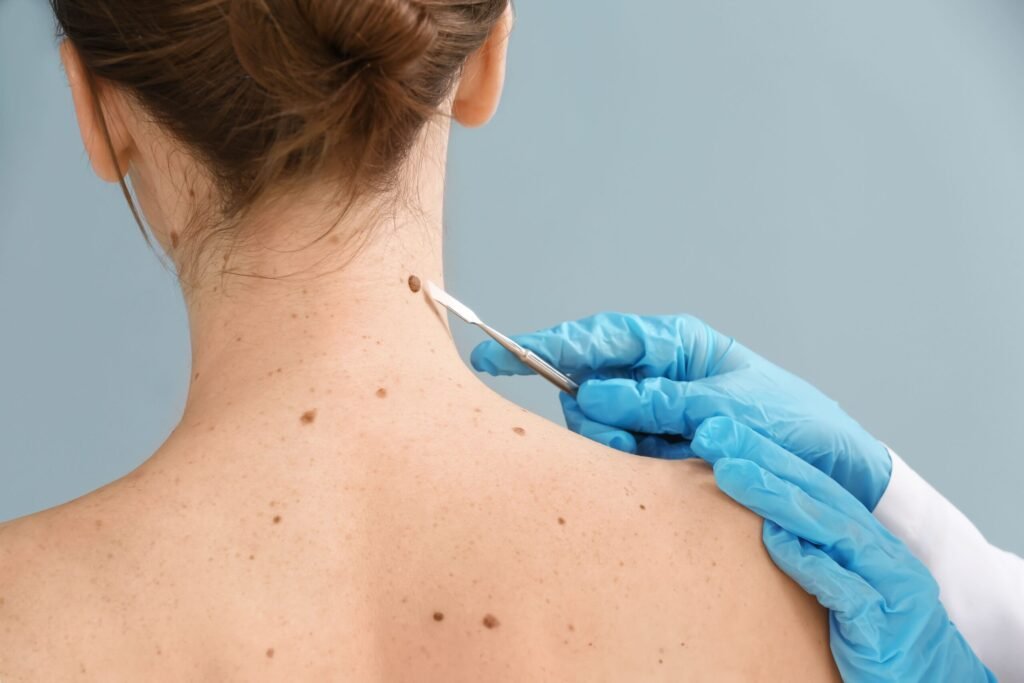
These growths may appear on any area of the body. The lesions frequently present on the chest or back for men, and female patients more commonly develop these growths on their legs. Less frequently, the cancer forms in the mouth, eyes, or genital regions. The disease often presents as an entirely new mark on the skin. It can also appear as a pre-existing mole that undergoes observable changes. These changes might include shifts in dimension, shape, or color. These specific patches typically look entirely different from surrounding typical skin growths.
How Is It Detected?
Traditional diagnostic methods involve visual inspections followed by surgical biopsies. Some modern dermatological practices now utilize advanced, non-invasive techniques to identify cellular anomalies early. A specialized dermatologist can apply a smart adhesive patch to collect skin cells directly from a suspicious lesion. This non-invasive method requires no scalpels. It causes no pain and leaves no physical scars.
Once collected, the adhesive patch goes to a laboratory for microscopic analysis. The laboratory technicians examine the sample and identify specific changes in the genetic material. They look specifically for elevated expression levels that correlate directly with this form of skin cancer. This modern testing process yields accurate diagnostic results. Early detection acts as a positive factor in patient recovery trajectories.
How Does a Dermatologist Treat It?
Medical professionals tailor treatment protocols to the patient, basing them heavily on the specific stage of the disease at the time of diagnosis. They also factor in other individual health metrics. Early-stage interventions frequently rely on surgical excision, which removes the cancerous tissue entirely.
One highly effective technique utilized by specialists involves Mohs surgery. During this procedure, surgeons remove tissue layer by layer. They examine each segment under a microscope during the operation. This method allows the surgeon to verify that all margins are clear of cancerous cells and is associated with exceptionally high success rates for early-stage cases. It also preserves the maximum amount of healthy surrounding tissue.
More advanced stages of the disease may require surgical removal and utilize other therapeutic modalities. A specialized dermatologist can thoroughly explain all available medical options. They answer patient inquiries comprehensively, guiding individuals toward a suitable and effective medical pathway tailored to their specific diagnosis.
Consult a Melanoma Dermatologist
Scheduling an annual comprehensive skin examination with a specialist provides a professional medical baseline. During these clinical visits, dermatologists map the location and size of all existing moles. This detailed clinical documentation makes it easier to track microscopic cellular changes over consecutive years, as early medical intervention significantly alters the trajectory of skin-related conditions. Seeking guidance from a dedicated professional equips individuals with the diagnostic tools, medical knowledge, and advanced treatment resources necessary to maintain optimal skin health.