Glaucoma is a group of eye conditions that affect the optic nerve. This nerve carries visual information from the eye to the brain, and damage to it can alter how clearly you see. Understanding glaucoma’s basic characteristics, common symptoms, and the role of routine exams helps you act in a timely, informed way.
Understanding Glaucoma Basics
Glaucoma develops when the optic nerve sustains damage. Eye care professionals often associate this damage with elevated pressure inside the eye, but it can also occur in people whose eye pressure falls within a typical range. Several types of glaucoma exist, and each follows a distinct pattern. Open-angle glaucoma tends to develop gradually, which makes it harder to detect without a professional exam. Angle-closure glaucoma may progress more rapidly. An eye care professional helps clarify which type applies to your situation. Both types affect the optic nerve, yet they differ in how quickly changes occur.
Spotting Observable Symptom Patterns
In its early stages, glaucoma may not produce noticeable signs. Many people first learn about it through a routine eye appointment, so staying current with exams is a helpful practice. The following symptoms are associated with glaucoma:
- Gradual loss of side vision: Objects at the edges of the visual field become harder to see over time.
- Tunnel vision: In later stages, vision narrows so that only the central area stays clear.
- Halos around lights: Rings or glowing circles appear around light sources, particularly at night.
- Blurred or hazy vision: Sight becomes cloudy or less sharp than before.
- Eye pressure or discomfort: A sensation of pressure, redness, or aching in or around the eye may occur.
- Headaches alongside vision changes: Head pain that appears together with visual disturbances is sometimes reported.
These symptoms may also relate to other eye conditions. Their presence alone does not confirm glaucoma, but noticing one or more of them signals that a professional evaluation is a sensible next step. If you experience sudden vision changes, severe eye pain, or intense redness, contact an eye care professional promptly or seek urgent care.
Noting Why Awareness Matters
Early awareness is a practical advantage, as glaucoma progresses slowly in many cases. A person may adjust to a narrowing visual field without realizing it. Paying attention to small shifts in eyesight is a straightforward habit, and it gives you more time to consult a professional and learn about available monitoring options. Keep a brief record of when a symptom first appeared and how it has changed. This information gives your provider useful context, and it can make your appointment more productive.
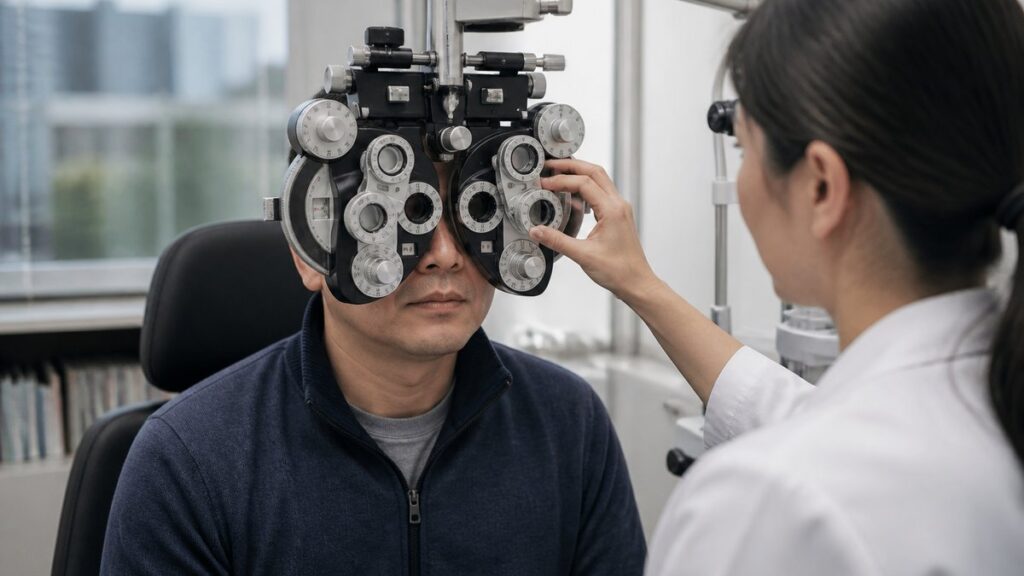
A comprehensive eye exam is a reliable way to assess optic nerve health. During the exam, an optometrist or ophthalmologist measures eye pressure, examines the optic nerve, and tests peripheral vision. Eye care professionals may recommend more frequent exams for individuals over 40 and those with a family history of glaucoma. People with certain health conditions also benefit from more appointments; this includes individuals with diabetes and high blood pressure.
Find a Glaucoma Specialist
Glaucoma affects the optic nerve and may advance before obvious signs appear. Symptoms such as narrowing side vision, halos around lights, and eye discomfort are worth documenting, and a professional evaluation is the key next step. Routine exams are a direct path to understanding your eye health. Schedule a comprehensive eye exam with a licensed eye care provider today, and arrive prepared with your symptom notes and questions.