Varicose veins affect many adults. Many individuals view this condition primarily as a cosmetic concern. Despite this common perception, this circulatory issue can impact physical mobility and cause physical discomfort. The visible manifestations of venous pooling represents deeper functional changes within the circulatory system. Understanding the underlying mechanisms of venous reflux provides a foundation for addressing the associated physical distress, aiding in receiving timely medical intervention.
What Are Varicose Veins?
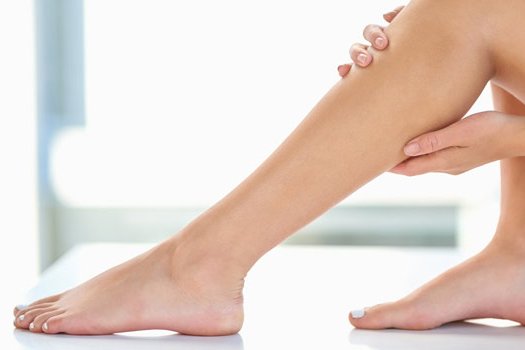
Varicose veins appear as bulging, enlarged veins that are located just beneath the skin’s surface. They emerge most frequently along the outer areas of the legs. The primary cause is chronic venous insufficiency, also known as venous reflux. Within healthy veins, microscopic valves facilitate blood movement toward the heart. When these valves sustain damage or fail to close fully, blood flows backward and accumulates in the lower extremities. This pooling stretches the vein walls, resulting in their prominent appearance.
How Are They Identified?
The most visible indicators are prominent, twisting veins exhibiting red or purple coloration. As the condition advances, individuals may report a variety of physical sensations. These sensory indicators include generalized leg pain, burning, itching, and a persistent feeling of heaviness or fatigue. Swelling in the lower limbs, alongside skin discoloration and spider veins, also occurs frequently. Left untreated, the condition progresses, potentially leading to deep vein reflux.
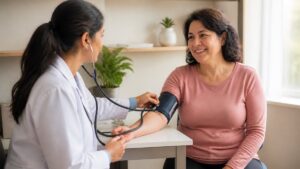
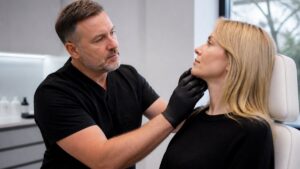
Medical professionals initiate the diagnostic process through a thorough physical evaluation. A physician observes the affected areas and checks for localized swelling around the ankles and thighs. The practitioner may ask questions regarding the duration and intensity of the physical discomfort. If the preliminary exam suggests venous insufficiency, the physician can order an ultrasound. This imaging technique utilizes sound waves to create detailed internal views of the legs. The ultrasound allows the physician to observe actual blood flow, evaluate valve function, and check for the presence of any blood clots.
How Are They Treated?
Modern medicine offers several effective therapies to alleviate the many symptoms associated with venous reflux. The primary objectives of treatment involve reducing discomfort and restoring normal leg function. Addressing the visible abnormalities may also help individuals with the cosmetic aspect of varicose veins. Physicians select specific interventions based on the severity of the venous pooling and the patient’s medical history. Available therapies range from non-invasive methods to surgical procedures. Conservative management often begins with the use of compression stockings, which support circulation.
For more advanced cases, medical providers utilize techniques such as radiofrequency ablation, laser ablation, and vein closure systems. Other surgical options include vein stripping and ambulatory phlebectomy. A physician might suggest a single approach or integrate multiple methods to achieve the best physiological outcome.
Consult a Vascular Specialist
Addressing vascular health requires professional medical guidance to prevent long-term complications. While medical procedures address existing venous dysfunction, incorporating specific lifestyle modifications can also support overall circulatory function. Individuals experiencing persistent leg fatigue, swelling, or visible vascular changes should seek a formal medical assessment. A thorough evaluation provides the clarity needed to navigate available therapies and implement strategies that restore functional mobility.