Stroke rehabilitation focuses on rebuilding movement, strength, and daily skills after a stroke, and providers build plans around individual needs. A stroke interrupts blood flow to the brain, and the damaged areas may control movement. When those areas lose function, walking, reaching, and balancing may become difficult. Here is more information on the impact of stroke:
Diminished Motor Skills
Fine motor skills involve small, precise movements, and a stroke disrupts them. Gross motor skills, like walking and lifting, also decline, and since the brain sends weaker signals, your hand may feel clumsy or slow. Occupational therapists address these changes through repeated, task-based practice. While you practice these tasks, your therapist can adapt tools to fit your grip. Daily tasks affected include:
- Buttoning shirts or zipping jackets
- Writing or typing
- Holding utensils and cups
- Brushing teeth or combing hair
Lost Mobility
Many people struggle to walk or stand after a stroke because one side of the body weakens. Balance suffers too. Some people need a cane or walker, and others rely on a wheelchair for a time. Falls may become more likely during this stage.
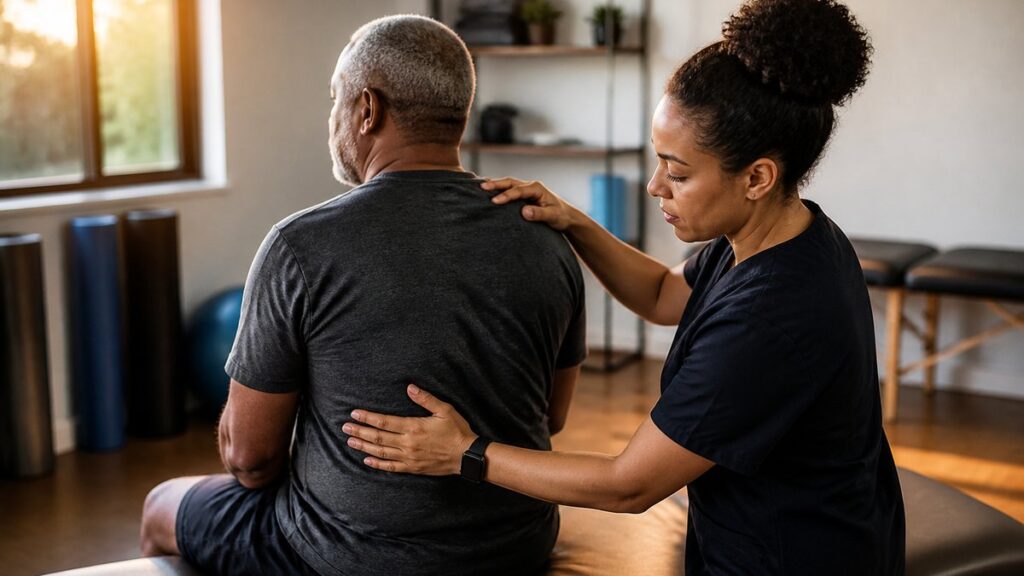
Medical providers assess your strength and balance, and they set goals for safe movement. Once you sit steadily, therapy will progress to standing and short assisted walks. Gait training targets the pattern and rhythm of your steps.
Home safety matters during this period. If you remove loose rugs and add grab bars, you lower your fall risk. Caregivers may help with transfers, but therapists teach the correct technique first.
Reduced Range of Motion
Range of motion describes how far a joint moves in each direction. After a stroke, muscles often tighten or stiffen. Doctors call this stiffness spasticity, and it may limit movement or cause discomfort.
Therapists use stretching exercises, and they can recommend splints for the wrist or ankle. Unless you move a stiff joint regularly, it may lose more flexibility over time. Gentle daily stretches help maintain your current motion. Your care team may also discuss medication for severe spasticity.
Affected Limbs
Most strokes affect one side of the body. When the stroke occurs in the left side of the brain, the right arm and leg often weaken. Some people lose strength, and others lose feeling or awareness of the limb. Therapy for affected limbs typically includes:
- Strength exercises with bands or light weights
- Movement therapy, which limits use of the stronger arm
- Stimulation to activate weak muscles
- Mirror therapy for arm and hand movement
Since each method suits different needs, your therapist chooses based on your evaluation. Some techniques require hours of practice each day, and others fit into short sessions. Ask your therapist about home exercises between visits.
Schedule Stroke Rehabilitation Sessions
Rehabilitation typically begins at a clinic, and it typically continues in outpatient or home settings. Early assessment helps your care team set clear goals. If you notice new difficulty with walking or daily tasks, talk with your doctor. Contact a clinic to schedule an evaluation, and bring a list of your medications and questions when you arrive for your first visit.