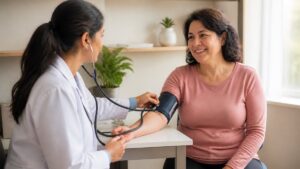

A vascular specialist diagnoses and manages chronic venous insufficiency, a condition that affects the flow of blood from the legs back to the heart. Treatment may involve lifestyle guidance, compression therapy, or ongoing monitoring, depending on symptom severity and vein health. Here is a closer look at the role of a vascular specialist in managing chronic venous insufficiency:
Recognizing Vein Symptoms
Identifying the early signs of poor circulation is a key step when managing vein health. Patients often notice changes in their legs, but they may not realize these changes indicate a medical issue. Here are some of the symptoms a vascular specialist evaluates during a clinical assessment:
- Leg pain: A dull ache or heaviness often develops in the lower legs after prolonged standing, which indicates increased venous pressure.
- Leg swelling: Fluid accumulation causes the ankles and calves to expand during the day as blood pools downward.
- Varicose veins: Enlarged and twisted veins appear near the surface of the skin.
- Skin discoloration: The skin around the ankles may turn brown or red over time due to the breakdown of red blood cells in the tissues.
A prompt evaluation of these signs helps doctors reach an accurate diagnosis. Patients should contemplate seeking medical care early, and this proactive approach often prevents symptom progression.
Diagnosing the Cause
A vascular specialist uses advanced testing methods to understand the underlying vein problem. The diagnostic process generally begins with a physical exam, and the specialist will review the patient’s medical history. Medical providers often use vascular ultrasound technology to create detailed images of the blood flow in the legs.
This non-invasive imaging technique allows the doctor to observe the vein valves directly. The ultrasound identifies areas of backward blood flow, and it measures the severity of venous insufficiency. Healthcare providers rely on this fundamental diagnostic data to tailor medical care to the patient.
Creating a Treatment Plan
Treatment strategies focus on improving blood flow and reducing leg discomfort. The vascular specialist may initially recommend conservative management, or they may suggest minimally invasive procedures. Doctors usually advise patients to wear compression stockings; these apply gentle pressure to promote blood flow upward. These special garments are a key component of venous care.
Minimally invasive treatments provide a modern alternative to traditional vein stripping surgeries. These procedures involve minimal recovery time, which allows patients to resume normal activities quickly. The vascular doctor selects the specific treatment method based on the patient’s venous anatomy. Medical interventions become necessary if conservative methods fail to adequately relieve symptoms.
Preventing Complications
Managing chronic venous insufficiency requires ongoing effort to stop further circulatory issues. A vascular specialist provides specific lifestyle guidelines, and patients must follow these recommendations closely. Here are some of the tips patients may find helpful:
- Regular exercise: Walking engages the calf muscles, pumping blood upward and actively supporting the venous return system.
- Weight management: Maintaining a healthy weight reduces pressure on the lower body veins and decreases vascular strain.
- Leg elevation: Raising the legs above heart level helps gravity drain pooled blood out of the lower extremities.
- Avoiding prolonged sitting: Taking frequent breaks to move prevents blood from stagnating in the calves during sedentary periods.
Adhering to these preventive steps reduces the likelihood of developing painful venous ulcers. Patients should make sure they attend follow-up appointments, as routine monitoring can detect any new vein issues early.
Consult a Vascular Specialist Today
Adopting proactive measures such as maintaining an active lifestyle, wearing compression stockings, and attending regular check-ups can significantly reduce the risk of developing venous issues. Early detection and consistent clinical monitoring by a vascular specialist are key steps in managing and maintaining optimal leg health. Contact a qualified vascular specialist near you to schedule your consultation today.