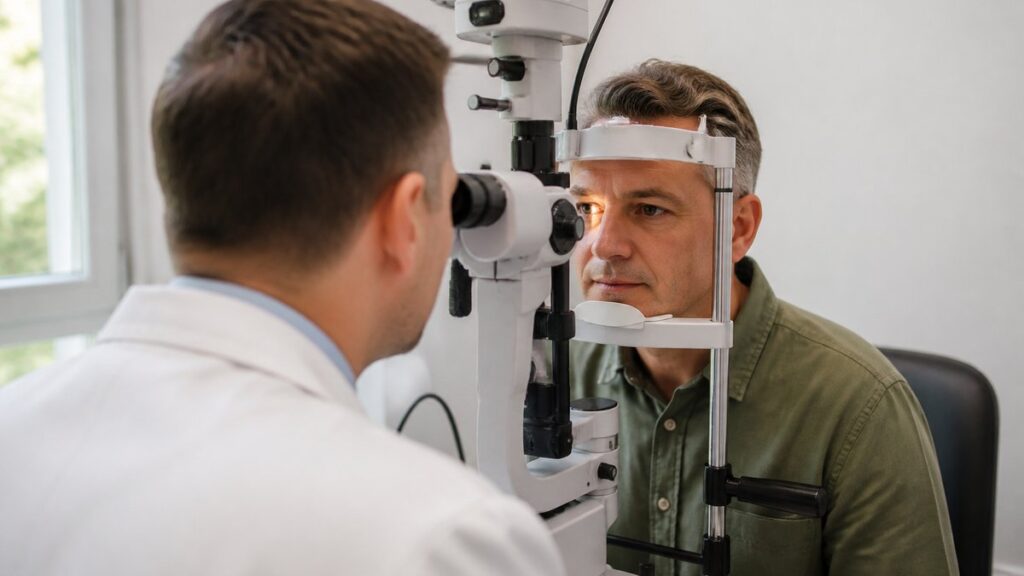
When vision changes, it can affect your overall quality of life, so see an eye doctor for your eye health. Optometrists perform comprehensive eye exams, prescribe corrective lenses, and diagnose and manage many common eye conditions. Ophthalmologists are medical doctors who provide the full spectrum of eye care, including surgery and treatment for complex eye diseases. Learn more about the role of eye doctors in treating vision problems.
Correcting Blurry Vision
Blurry vision is a common reason patients schedule an eye exam. An optometrist measures how well each eye focuses and determines the precise prescription needed. Eyeglasses and contact lenses remain the most common solutions. For patients seeking a longer-term option, an ophthalmologist may evaluate whether refractive surgery is appropriate for vision correction.
Blurry vision is not always caused by a refractive error. It can also signal an underlying condition such as glaucoma or macular degeneration. A thorough exam allows your eye specialist to identify the cause and recommend the most effective treatment.
Treating Cataracts
A cataract is a clouding of the eye’s natural lens. Cataracts usually develop gradually with age, although injury, certain medications, diabetes, and prolonged sun exposure can also contribute. Cataracts worsen vision with time, making it difficult to drive at night and perform other functions.
In the early stages, an updated eyeglass prescription and brighter lighting may help you manage symptoms. When a cataract begins to interfere with daily activities, an ophthalmologist may recommend surgery. During this procedure, the surgeon removes the clouded lens and replaces it with a clear artificial lens called an intraocular lens.
Diabetic Eye Exams
Diabetes can damage the small blood vessels in the retina, the light-sensitive tissue at the back of the eye. This condition, known as diabetic retinopathy, can cause vision loss among adults. Because it can produce no symptoms in its early stages, routine screening with an eye doctor is necessary.
When diabetic eye disease is detected early via diabetic eye exams, treatment can slow its progression and help preserve vision. Options may include medication injected into the eye, laser treatment, or surgery in advanced cases. Managing diabetes can keep eyes healthier longer.
Emergency Eye Care
Some eye conditions require immediate attention to prevent permanent damage. Eye doctors are trained to evaluate and treat urgent problems quickly, and prompt care can significantly improve the outcome. Seek emergency eye care if you experience any of the following:
- Sudden loss of vision or sudden blurriness in one or both eyes
- A sudden increase in floaters, flashes of light, or a shadow across your field of vision
- Chemical exposure to the eye
- A foreign object embedded in the eye
- Severe eye pain, redness, or swelling
- Trauma to the eye or surrounding area
- Sudden double vision
If a chemical enters your eye, rinse it immediately with clean water for several minutes, then seek care. Do not rub the eye or attempt to remove an embedded object yourself. New flashes and floaters may indicate a retinal tear or detachment, which requires urgent treatment to protect your sight.
Visit Your Eye Doctor
Regular eye exams are one of the most effective ways to protect your vision. Many eye conditions develop slowly and without warning signs, so routine visits allow your eye doctor to detect problems early, when treatment is often most successful. Whether you are noticing changes in your vision, managing a condition such as diabetes, or simply due for a checkup, an eye doctor can provide the expert care you need.