When people need medical advice, they turn first to a primary care physician (PCP). These doctors include family physicians, internists, and pediatricians. They treat common illnesses and manage long-term conditions, and they also offer preventive services like screenings and vaccines. This is how their work affects individual patients and the health of communities:
Serving as Starting Point
A primary care physician typically serves as your first contact with the health care system. You might visit for a sore throat, or you might come in for a yearly checkup. Since PCPs train across many fields, they treat a wide range of concerns in one visit.
Your PCP reviews your symptoms, and they decide on the next step. If the problem falls within their scope, they treat it directly. Many routine issues never require a specialist. Others need lab work or imaging first.
Since your PCP keeps your records in one place, they spot patterns across your visits. This full picture helps guide each diagnosis. Urgent care clinics treat sudden problems, but they typically don’t track your history over time. Bring a list of current medications to every appointment.
Providing Continuous Care
Many adults live with chronic conditions, and these conditions need regular attention. Your PCP monitors these issues over months and years. When your test results shift, your doctor adjusts your treatment plan. Conditions in primary care include:
- Blood pressure issues
- Type 2 diabetes
- Asthma and COPD
- Cholesterol issues
- Depression and anxiety
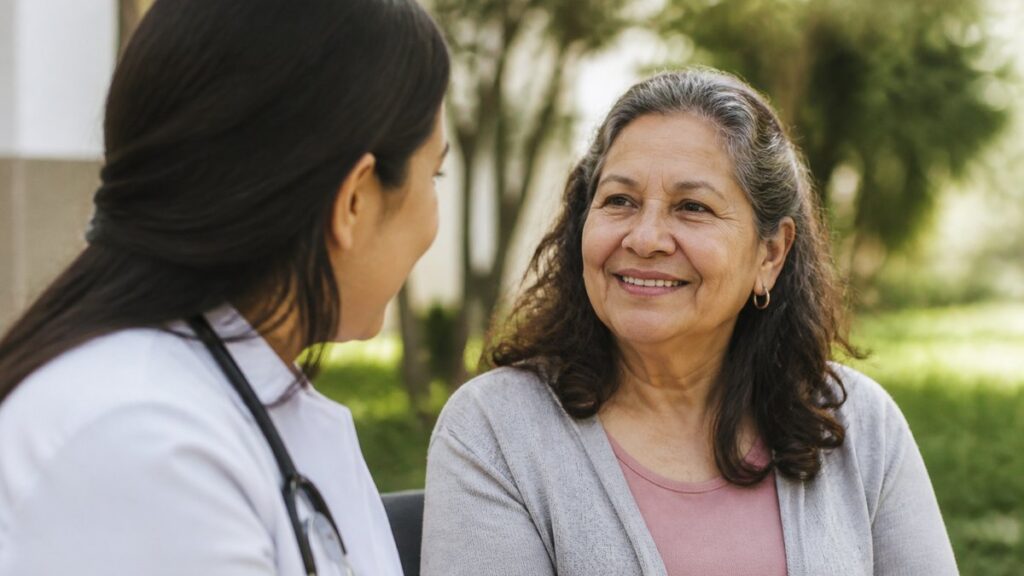
Since you see the same doctor over time, you build a working relationship with them. You share concerns more openly, and your doctor learns your preferences. Ongoing visits also leave room for preventive screenings. Tell your doctor about recent changes in sleep, diet, or mood.
Helping Slow Spread of Disease
PCPs play a direct role in public health. When patients receive recommended vaccines, fewer people in the community catch preventable diseases. Your doctor tracks your vaccine schedule, and they find any missed doses. Most offices also offer flu shots each fall.
PCPs often detect infections early, and they report certain diseases to local health departments. These reports help officials spot outbreaks in your area. If you feel sick with a contagious illness, your PCP explains how to protect others at home. Staying home during the contagious period limits exposure at work and school.
Coordinating With Specialists
When a condition needs advanced care, your PCP refers you to a specialist. Typical referrals include cardiologists, dermatologists, and orthopedic surgeons. The specialist handles the focused treatment, and your PCP keeps track of your overall health. If you see several specialists, your PCP serves as the central point of contact. Your PCP typically helps with these tasks:
- Sending your records and test results to the specialist
- Reviewing the specialist’s findings with you
- Checking new prescriptions against your current medications
- Scheduling follow-up visits after treatment
Find a Primary Care Physician
If you do not have a PCP yet, start with your insurance plan’s provider directory. Look for doctors near your home or work, and call each office about new patient openings. Ask about office hours, telehealth options, and same-day appointments. Schedule a first visit before an illness sends you to urgent care.