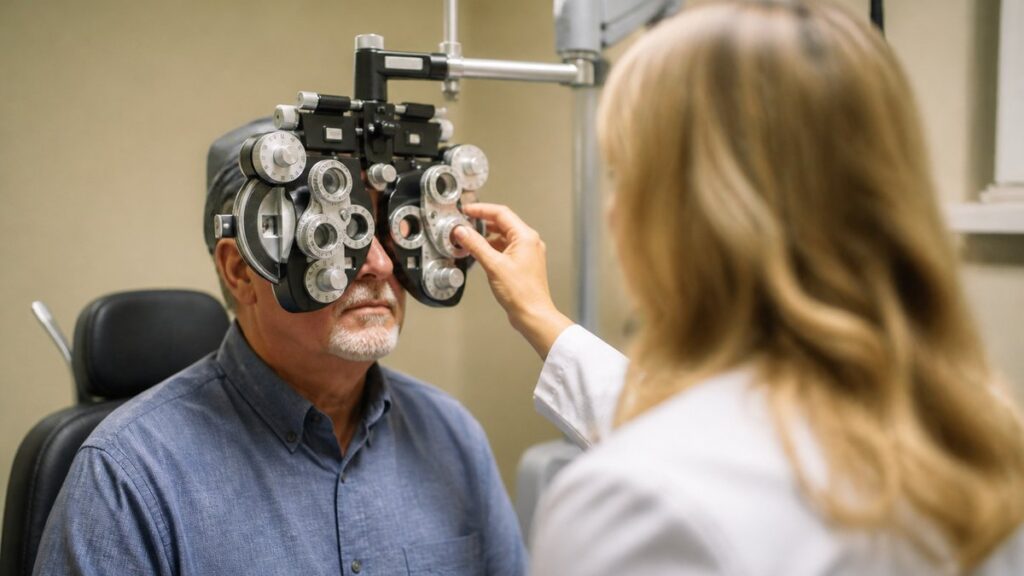
Eye health shifts over time, and some changes develop without obvious symptoms. Regular exams in ophthalmology help track these changes so issues are addressed before they interfere with daily tasks. During a routine visit, an eye specialist reviews vision, evaluates eye structures, and checks how well both eyes work together. Here are some of the benefits of regular exams:
Early Detection of Eye Issues
Many eye diseases progress quietly and typically go unnoticed until vision drops. When a specialist evaluates the retina, optic nerve, and cornea, early changes sometimes show up before the patient feels any difference. Regular exams give a record over time, and that record helps highlight small shifts that signal disease. An eye disease detected early usually allows more treatment options, and it allows more targeted monitoring.
Updated Prescriptions
Vision prescriptions shift as eyes age, and they also shift with lifestyle changes. A current prescription supports comfortable reading and screen work, and it supports safer driving in low light. When a prescription is out of date, people tend to strain, and that strain typically leads to headaches or fatigue. Regular ophthalmology exams align glasses or contact lenses with current vision needs. Check for these corrections:
- Sharper distance vision helps with driving, sports, and spotting obstacles in new environments.
- Accurate near correction supports reading, crafting, and detailed work on digital devices.
- Balanced prescriptions between both eyes reduce strain, and they support clearer depth perception.
- Specialized lens options address glare or screen use, and they support comfort in bright settings.
System Condition Detection
During an exam, the specialist looks at the retina and optic nerve, and they look at the clarity of the lens and cornea. The eye offers a direct view of tiny blood vessels and nerves, and that view often reflects whole-body health. Subtle changes in these structures sometimes point toward systemic conditions that affect circulation or nerve function.
Some systemic conditions affect blood flow in the retina and leave patterns visible during a dilated exam. Those patterns sometimes appear before a person notices vision loss, and they sometimes appear before other symptoms. Since early detection in the eye gives extra data points, it supports more coordinated treatment planning.
Eye pressure readings, field of vision testing, and optic nerve evaluation also relate to systemic health. When pressure trends upward over time, the specialist tracks those readings, and they assess nerve appearance for damage. Field changes may relate to neurological issues, and they prompt further testing outside the eye clinic.
Monitored Vision Development
Vision development does not stop in childhood, and it shifts at different life stages. Younger patients benefit from tracking how both eyes focus and align, and they benefit from early detection of focusing problems. When these issues are identified early, treatment options such as corrective lenses or other therapies typically work more smoothly. Adults also experience shifts in near and distance vision, and regular exams help adapt visual support to each stage.
Eye exams assess how eyes perform during prolonged near work and identify strain that builds slowly throughout the day. As work and study demands change, visual tasks change, and they involve more screens at close range. Updated prescriptions and tailored advice help match vision support to current routines, and they help reduce fatigue.
Schedule an Ophthalmology Visit
Regular eye exams help detect eye disease early, and they help to keep prescriptions aligned with current needs. When exams follow a steady schedule, changes in the retina, cornea, and lens are easier to track and interpret. For more details about retina-focused care, visit a clinic near you.