A nurse practitioner can assess symptoms, order tests, and guide treatment plans, and they also provide practical services that fit into daily life. Since their scope includes medication management and aesthetic treatments, patients receive care that addresses both health risks and quality of life. Here are some of the services they provide:
Performing Injections
A nurse practitioner performs many types of therapeutic injections. The visit may start with a brief assessment so the clinician reviews medical history and current medications. When an injection is given, the provider selects the site, prepares the dose, and monitors the patient; this process helps promote safe delivery. Some injections are part of ongoing care, and others are scheduled as single treatments.
Prescribing Weight Loss Drugs
Weight management visits typically involve a detailed health review, and a nurse practitioner evaluates prescription medication. They assess current diagnoses, lifestyle habits, and previous weight loss attempts, and they also explain how a drug works. When a prescription is appropriate, the provider reviews possible side effects and schedules follow-up. They may perform these tasks:
- Review medical history, current medications, and weight-related risks.
- Order lab work when needed to check baseline health.
- Select a medication that aligns with the patient’s health profile.
- Adjust doses over time based on response and lab data.
- Reinforce nutrition, activity, and sleep strategies alongside medication.
Providing Hormone Replacement Therapy
Hormone replacement therapy starts with a focused evaluation, and a nurse practitioner reviews symptoms, medical history, and goals. The visit may include questions about energy, sleep, libido, and weight changes, and lab testing often follows. When results return, the nurse practitioner discusses patterns, explains possible options, and outlines how hormone therapy fits into a broader plan. Patients receive time to ask questions before treatment begins.
Once therapy starts, the provider selects a delivery method, and options may include injections, topical formulations, or other routes. Dosing is tailored, and the clinician tracks how symptoms shift over the first weeks and months. Follow-up visits allow for adjustments.
Some practices emphasize an integrated approach to hormones and wellness, and they highlight how energy, focus, and body composition interact. A professional working within this type of framework reviews lab trends over time, updates dosing, and coordinates with other services so the plan stays aligned with long-term goals.
Offering Dermal Fillers
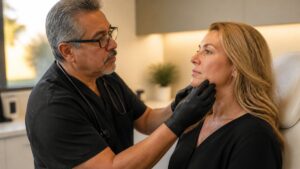
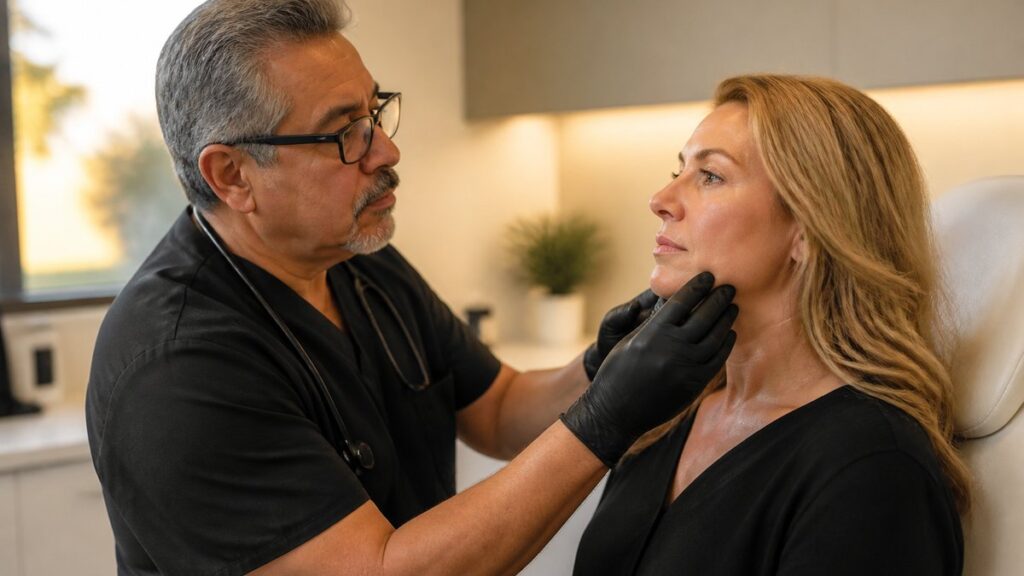
Some nurse practitioners provide dermal filler treatments, and these visits begin with a cosmetic consultation. The clinician studies facial structure, reviews medical history, and asks about specific concerns such as volume loss or fine lines. After that discussion, they describe product options, expected longevity, and potential side effects, and they map out injection points. The goal is to match the treatment to realistic outcomes.
During the procedure, the provider prepares the skin, places the filler with controlled technique, and checks symmetry as they work. After injections, they give aftercare directions and explain what to expect over the next several days. Follow-up visits address touch-ups or future maintenance, and they also provide an opportunity to coordinate fillers with other services.
Visit a Nurse Practitioner
A nurse practitioner offers a blend of medical management, wellness support, and targeted procedures, and this mix suits patients with varied goals. Whether someone is exploring weight loss medications, hormone therapy, injections, or dermal fillers, a structured visit helps align treatment with health history. Patients who want this type of care can schedule a consultation with a clinic.