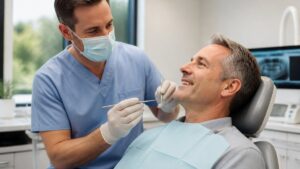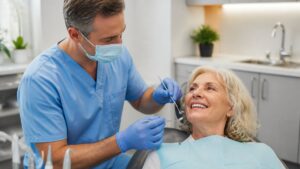

A routine visit to the dentist provides an opportunity to identify changes in your teeth and gums before you notice symptoms. It also gives you time to discuss concerns, review your daily oral care habits, and learn whether you need follow-up care. Here is a closer look at why regular visits to the dentist are necessary for your health:
Detecting Dental Problems Early
Some dental issues progress quietly and often go unnoticed until pain appears and the damage spreads. A dentist will review each tooth surface and the gumline, and the exam often reveals early decay or inflammation. X-rays highlight changes below the surface and show problems not visible during brushing. Early findings often support simple treatment. Gum disease often begins with subtle bleeding or swelling, and these signs are easy to ignore during a busy week. Regular exams track these changes, link them to plaque buildup or brushing technique, and give patients clear feedback.
Removing Hardened Buildup
Even careful brushing often leaves deposits behind, and these deposits harden into tartar along the teeth and gums. Once this happens, home tools no longer remove the buildup, and the rough surface collects more bacteria. Professional cleanings break up tartar without harming enamel, and they smooth the tooth surfaces that touch food and drink.
Professional Tartar Removal
The hardened layer irritates nearby gum tissue, and that can lead to persistent redness or tenderness. When a hygienist removes tartar, the gums have a better chance to recover, and brushing becomes more effective again. Regular cleanings reduce the number of areas where new buildup settles.
Long-Term Dental Cleaning Benefits
Cleanings do more than polish teeth for appearance; they create a healthier environment for daily care. Smooth surfaces trap less plaque between visits, reducing the number of bacteria around each tooth. This helps protect enamel from ongoing acid exposure, and it can support more stable gum attachment.
Improving Daily Oral Care
Checkups help connect what happens in the office with what happens at the bathroom sink. A dentist will observe where plaque tends to build up, and these patterns often match brushing habits or flossing shortcuts. When patients see these patterns, they can adjust their technique. Here are ways dentists improve daily oral care:
- Brushing technique review: The dental team demonstrates brushing angles and points out areas that need more attention.
- Flossing or interdental tools: Patients learn whether floss, picks, or brushes suit their spacing, and they receive guidance on how to use them.
- Product suggestions: The team recommends toothpaste or rinses that match sensitivity, decay risk, or gum concerns.
- Diet and habit feedback: Exams reveal how snacking, beverages, or grinding affect teeth, and they prompt focused adjustments.
Tracking Changes Between Visits
Teeth and gums change over time. A dentist compares current findings with previous exams, highlighting areas that are improving or declining. This view supports tailored advice, and it helps decide when to monitor an area or treat it. Tracking also links symptoms like sensitivity with visible changes on teeth or X-rays.
Jaw joints, bite alignment, and wear patterns also change gradually, influencing comfort and function. Regular monitoring shows whether clenching, grinding, or missing teeth are stressing certain areas, and it guides protective steps. A dentist may recommend a guard, a filling, or another solution, and the timing often depends on these trends.
Consult a Local Dentist Today
Routine dental visits support long-term oral health, and they prevent minor problems from becoming larger concerns. Exams, cleanings, and feedback give patients clear guidance for daily at-home care. Contact a qualified dentist in your locality to schedule your consultation today.