
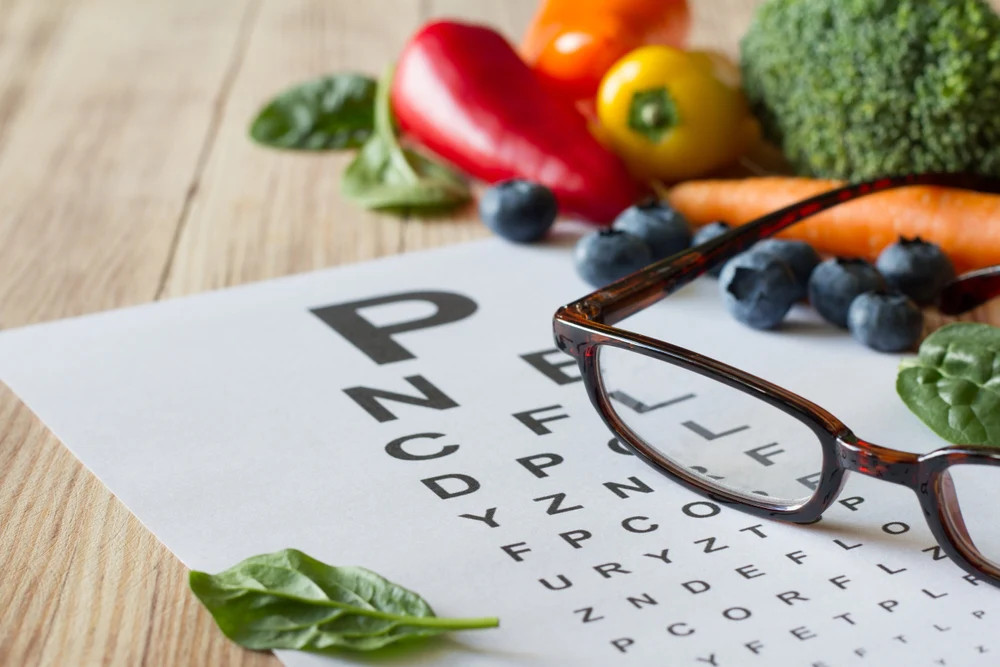
Our eyes are one of the most valuable parts of the human body. They help us see the world, read, work, drive, and enjoy the beauty around us. However, many people ignore eye care until they start experiencing problems such as blurry vision, dryness, or headaches. Just like the rest of our body, our eyes also need regular care and attention to stay healthy.
In today’s digital world, people spend many hours using phones, computers, and televisions. This can put a lot of strain on the eyes. Poor lifestyle habits, unhealthy diets, and lack of sleep can also affect our vision. The good news is that simple daily habits can help protect your eyesight and keep your vision clear for many years.
In this article, we will explore practical and easy daily eye care tips for healthy vision that anyone can follow.
1. Start Your Day with Eye Hygiene
Keeping your eyes clean is the first step toward healthy vision. When you wake up in the morning, gently wash your face and eyes with clean water. This helps remove dust, oil, and bacteria that may have built up overnight.
Avoid rubbing your eyes with dirty hands because it can transfer germs and cause infections. If your eyes feel itchy or irritated, rinse them gently instead of rubbing them.
Simple eye hygiene habits can prevent redness, irritation, and infections.
2. Eat Foods That Support Eye Health
Your diet plays a very important role in keeping your eyes healthy. Certain nutrients help protect the eyes from damage and support good vision.
Include these foods in your daily meals:
- Carrots – rich in vitamin A, which supports night vision
- Spinach and leafy greens – contain lutein and zeaxanthin that protect the eyes
- Fish like salmon and tuna – full of omega-3 fatty acids that reduce dry eyes
- Eggs – provide vitamins and minerals for eye health
- Citrus fruits – contain vitamin C that helps prevent eye damage
A balanced diet with fruits and vegetables can reduce the risk of eye diseases and improve overall vision.
3. Follow the 20-20-20 Rule
Many people spend long hours looking at screens. This can cause digital eye strain, dryness, headaches, and blurred vision.
A simple method to reduce this problem is the 20-20-20 rule:
Every 20 minutes, look at something 20 feet away for 20 seconds.
This small break relaxes your eye muscles and helps reduce fatigue. If you work on a computer all day, set reminders to follow this rule regularly.
4. Blink More Often
Blinking may seem like a small action, but it is very important for eye health. When we blink, tears spread across the surface of the eye and keep it moist.
However, when people stare at screens, they blink less than usual. This can lead to dry and irritated eyes.
Try to blink naturally and frequently, especially when working on a computer or using your phone.
If your eyes feel dry, artificial tears recommended by an eye doctor may help.
5. Protect Your Eyes from Sunlight
Strong sunlight can damage the eyes over time. Ultraviolet (UV) rays may increase the risk of cataracts and other eye problems.
Whenever you go outside during the day, wear UV-protected sunglasses. Good sunglasses block harmful rays and protect your eyes from dust and wind.
A wide-brimmed hat can also provide extra protection from direct sunlight.
Protecting your eyes from the sun is a simple habit that can prevent long-term damage.
6. Get Enough Sleep
Sleep is essential for the whole body, including your eyes. When you sleep, your eyes get time to rest, repair, and refresh.
Lack of sleep can cause:
- Red eyes
- Eye twitching
- Blurred vision
- Dryness
Adults should aim for 7–8 hours of sleep every night. Good sleep helps keep your eyes comfortable and your vision sharp.
7. Keep Your Screen at a Safe Distance
Improper screen distance can cause unnecessary strain on your eyes.
Follow these simple guidelines:
- Keep your computer screen about an arm’s length away
- Position the screen slightly below eye level
- Increase text size if you need to squint
Proper screen positioning helps your eyes stay relaxed while working.
8. Stay Hydrated
Water is essential for keeping your eyes moist and healthy. Dehydration can lead to dry eyes and irritation.
Try to drink 6–8 glasses of water daily. This supports tear production and prevents dryness.
If you live in a dry environment or use air conditioning often, staying hydrated becomes even more important.
9. Avoid Smoking
Smoking is harmful to many organs, including the eyes. It increases the risk of serious eye conditions such as cataracts, optic nerve damage, and age-related vision loss.
Quitting smoking can significantly reduce these risks and improve overall eye health.
Even avoiding secondhand smoke can protect your eyes from irritation and damage.
10. Exercise Regularly
Regular physical activity improves blood circulation throughout the body, including the eyes.
Better blood flow delivers oxygen and nutrients to eye tissues, helping them function properly.
Simple exercises like walking, cycling, or yoga can support overall health and indirectly protect your vision.
11. Schedule Regular Eye Checkups
Many eye problems develop slowly and may not show symptoms in the early stages. Regular eye examinations help detect issues before they become serious.
Eye doctors can check for problems such as:
- Vision changes
- Glaucoma
- Cataracts
- Retinal issues
Adults should consider having an eye exam every 1–2 years, even if they do not notice any vision problems.
Early detection often makes treatment easier and more effective.
12. Use Proper Lighting
Poor lighting can strain your eyes, especially while reading or working.
Make sure the room has enough light so your eyes do not struggle to see clearly. Avoid very bright light directly hitting your eyes or reflecting from screens.
Balanced lighting reduces eye fatigue and improves comfort while reading or working.
Conclusion
Taking care of your eyes does not require complicated routines or expensive treatments. Simple daily habits can make a big difference in maintaining healthy vision.
By eating nutritious foods, resting your eyes, protecting them from sunlight, and following healthy lifestyle practices, you can support your eye health for many years.
Remember, your eyes work hard every day. Giving them proper care and attention will help you enjoy clear vision and a better quality of life.
Frequently Asked Questions (FAQs)
1. What is the best daily habit for healthy eyes?
One of the best habits is following the 20-20-20 rule when using screens. It helps reduce eye strain and keeps your eyes relaxed.
2. Which foods improve eyesight?
Foods rich in vitamin A, omega-3 fatty acids, and antioxidants such as carrots, spinach, fish, eggs, and citrus fruits help support healthy vision.
3. How many hours of sleep are good for eye health?
Most adults should get 7–8 hours of sleep each night to allow their eyes to rest and recover.
4. Can too much screen time damage the eyes?
Yes, long screen use can cause digital eye strain, dryness, and headaches. Taking regular breaks can reduce these effects.
5. How often should I have an eye exam?
It is generally recommended to have a complete eye examination every one to two years, or more often if advised by an eye specialist.