Our eyes are among the most important organs in the human body. They allow us to see the world, recognize faces, read books, and enjoy nature. However, many people suffer from different eye diseases that can affect their vision and overall quality of life. In the past, many eye problems had limited treatment options, and some even led to permanent blindness. Today, thanks to modern medical technology and research in the field of ophthalmology, doctors have developed advanced treatments that can protect vision and restore eye health.
This article explains the modern treatments for common eye diseases in simple and easy language so everyone can understand how these medical advancements are helping millions of people around the world.
Understanding Common Eye Diseases
Before learning about treatments, it is important to understand that many eye diseases develop slowly and may not show symptoms at first. Regular eye checkups help doctors detect problems early.
Some of the most common eye diseases include:
- Cataract
- Glaucoma
- Age-Related Macular Degeneration
- Diabetic Retinopathy
- Dry Eye Syndrome
Each condition affects a different part of the eye and requires specific treatments.
1. Modern Treatments for Cataracts
Cataracts occur when the clear lens of the eye becomes cloudy. This can cause blurry vision, sensitivity to light, and difficulty seeing at night. Cataracts are very common in older adults.
Advanced Cataract Surgery
Today, cataract treatment is highly successful because of modern surgical techniques. The most common method is phacoemulsification, where doctors use ultrasound waves to break up the cloudy lens and remove it.
After removing the damaged lens, doctors replace it with an intraocular lens (IOL). These artificial lenses help restore clear vision.
Types of Modern Artificial Lenses
Modern cataract surgery offers several lens options:
- Monofocal lenses – improve distance vision
- Multifocal lenses – allow patients to see both near and far
- Toric lenses – correct astigmatism
These innovations mean many patients can reduce their need for glasses after surgery.
2. Modern Treatments for Glaucoma
Glaucoma is a serious eye disease that damages the optic nerve, often due to high pressure inside the eye. If untreated, it can lead to permanent vision loss.
Eye Drops and Medications
For many patients, doctors first prescribe medicated eye drops that lower eye pressure. These medications help prevent further damage to the optic nerve.
Laser Treatment
Modern laser technology has improved glaucoma treatment. A common procedure is laser trabeculoplasty, which helps fluid drain from the eye more effectively and reduces pressure.
Minimally Invasive Glaucoma Surgery (MIGS)
One of the newest advances is minimally invasive glaucoma surgery (MIGS). This procedure uses tiny devices to improve fluid drainage while causing less trauma to the eye. It also allows faster recovery compared to traditional surgery.
3. Modern Treatments for Age-Related Macular Degeneration (AMD)
Age-related macular degeneration affects the central part of the retina called the macula, which is responsible for sharp vision used in reading and recognizing faces.
There are two main types: dry AMD and wet AMD.
Anti-VEGF Injections
One of the biggest breakthroughs in eye care is anti-VEGF injections. These medicines are injected into the eye to stop abnormal blood vessels from growing in the retina.
Anti-VEGF drugs can slow vision loss and sometimes even improve vision.
Photodynamic Therapy
Another modern treatment is photodynamic therapy, which combines a light-sensitive drug with laser treatment. This helps destroy abnormal blood vessels while protecting surrounding tissue.
Nutritional Supplements
Doctors also recommend special vitamin formulas that include:
- Vitamin C
- Vitamin E
- Zinc
- Lutein
These nutrients can slow the progression of certain stages of AMD.
4. Modern Treatments for Diabetic Retinopathy
People with diabetes are at risk of developing diabetic retinopathy, a condition where high blood sugar damages blood vessels in the retina.
Without treatment, this disease can lead to vision loss.
Laser Therapy
Laser treatment helps seal leaking blood vessels and prevents further damage to the retina. This method has been used successfully for many years.
Anti-VEGF Therapy
Similar to AMD treatment, doctors now use anti-VEGF injections to reduce swelling and prevent abnormal blood vessel growth.
Vitrectomy Surgery
In severe cases, doctors may perform vitrectomy surgery. During this procedure, they remove blood or scar tissue from the eye to restore clearer vision.
5. Modern Treatments for Dry Eye Syndrome
Dry Eye Syndrome happens when the eyes do not produce enough tears or when tears evaporate too quickly. This can cause irritation, redness, and blurred vision.
Artificial Tears
The most common treatment is lubricating eye drops, also known as artificial tears. These drops keep the eye surface moist and comfortable.
Prescription Eye Drops
Doctors may prescribe medications such as Cyclosporine to reduce inflammation and increase tear production.
Tear Duct Plugs
Another modern treatment is punctal plugs. These tiny devices are inserted into tear ducts to keep moisture on the eye surface for longer periods.
The Role of Technology in Modern Eye Care
Modern technology has greatly improved eye treatment and diagnosis. Some of the most important tools include:
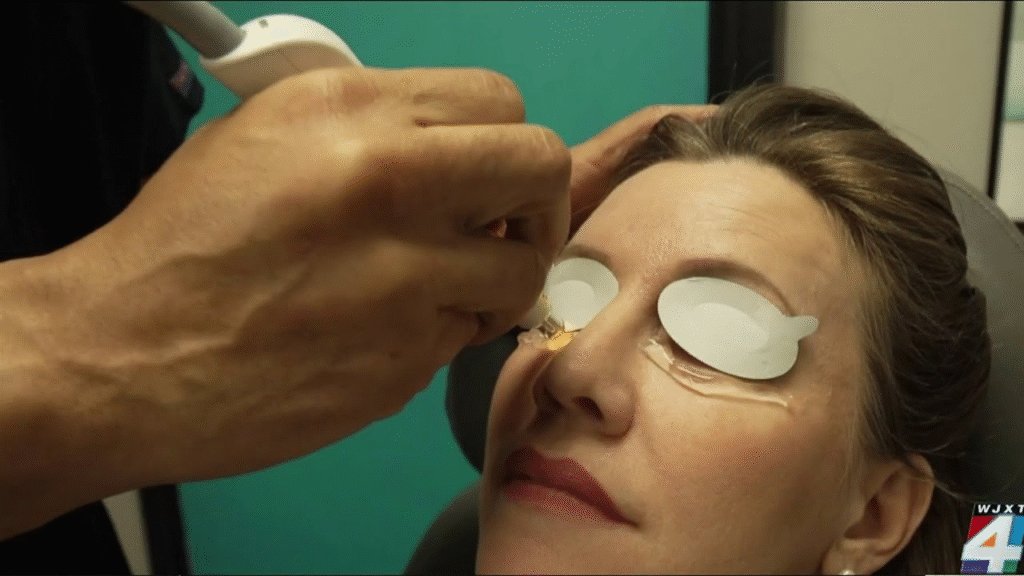
- Optical Coherence Tomography (OCT) scans for detailed retina images
- AI-based diagnostics to detect early eye diseases
- Laser-assisted surgeries for precise procedures
- Robotic surgical tools that increase accuracy
These technologies allow doctors to detect diseases earlier and treat them more effectively than ever before.
Importance of Early Detection
Even with advanced treatments, early diagnosis remains the most important factor in protecting vision. Many eye diseases develop silently without pain or clear symptoms.
People should get regular eye exams, especially if they:
- Are over 40 years old
- Have diabetes
- Have a family history of eye disease
- Spend long hours using digital screens
Healthy habits such as eating nutritious foods, protecting eyes from UV light, and controlling blood sugar levels also help maintain good eye health.
The Future of Eye Disease Treatment
Medical researchers are continuing to develop new treatments that may completely change the future of eye care. Some promising innovations include:
- Gene therapy for inherited eye diseases
- Stem cell treatments to repair damaged retina tissue
- Bionic eyes that may restore vision for blind patients
- Smart contact lenses that monitor eye health
These developments show that the future of eye treatment is becoming more advanced and hopeful.
Conclusion
Modern medicine has transformed the way doctors treat eye diseases. Conditions that once caused permanent blindness can now be managed or even cured with advanced treatments. From cataract surgery to laser therapy and innovative injections, modern eye care continues to improve the lives of millions of people.
However, the best way to protect your vision is through regular eye examinations and early treatment. By staying informed and taking care of your eye health, you can enjoy clear vision and a better quality of life for many years.
Frequently Asked Questions (FAQs)
1. What is the most common eye disease in older adults?
The most common eye disease in older adults is Cataract, which causes the eye lens to become cloudy and affects vision.
2. Can glaucoma be cured completely?
Glaucoma usually cannot be cured, but treatments such as medications, laser therapy, and surgery can control eye pressure and prevent further vision loss.
3. Are cataract surgeries safe?
Yes, cataract surgery is considered one of the safest and most successful medical procedures, with a very high success rate.
4. How can people prevent eye diseases?
People can reduce the risk by having regular eye exams, eating healthy foods, protecting their eyes from UV light, and controlling conditions like diabetes and high blood pressure.
5. When should someone visit an eye doctor?
A person should visit an eye doctor if they experience blurry vision, eye pain, frequent headaches, sensitivity to light, or difficulty seeing at night.