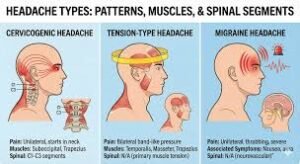

Unexpected health concerns may require prompt medical attention, especially when waiting for a scheduled appointment is impractical. Urgent care clinics treat patients with minor illnesses and injuries requiring immediate attention. These clinics offer diagnostic tests, physical examinations, and treatment services in a walk-in facility. Here are a few tips to navigate this medical care experience:
Know When To Visit
Patients benefit from understanding when a walk-in clinic can address their medical needs. Some of the conditions evaluated in these facilities are fractures or sprains and respiratory symptoms that are not life-threatening. Same-day visits may be used to treat diseases such as colds, allergies, and minor burns. Mild infections and minor digestive problems that do not require hospitalization are also examined in these clinics.
Chest pain, excessive bleeding, and shortness of breath are among the severe symptoms treated in emergency departments. Other everyday health concerns receive evaluation quickly in outpatient clinics. Being aware of the services available at various medical centers enables patients to organize their visits effectively and find appropriate treatment. Recognizing the difference between emergencies and moderate medical concerns helps patients choose the appropriate healthcare setting.
Prepare Information Before Arriving
Well-organized information can assist medical staff with completing the check-in process. When patients are registered at the front desk, they provide identification, insurance information, and a list of any medications they are currently taking. These resources assist providers in obtaining accurate medical details before they begin an evaluation. Carrying other past test results or discharge summaries may help in giving background information that facilitates faster medical assessment during the visit.
It is also useful to record the new symptoms, their onset, and any self-treatment attempts. Medical professionals are able to evaluate symptoms and understand if additional tests are required when they have all the needed background information. Organized communication helps identify medication interactions or underlying conditions that influence treatment decisions.
Communicate Clearly With Providers
Clear communication can improve the overall healthcare experience. When patients describe where discomfort occurs, how intense it feels, and how it has changed, they present a more complete picture of their condition. This level of detail allows providers to narrow down potential causes and decide whether treatment, such as medication, or additional evaluation is necessary. Patients also benefit from asking about their care plan, whether it involves specific therapies, proper dosing, or how long recovery might take. These details help individuals manage symptoms more effectively outside of a clinical setting.
Research the Provided Services
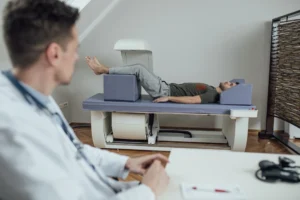
Urgent care clinics deliver on-site diagnostic services, allowing patients to receive evaluations and testing in a single visit. Equipped with laboratories and digital imaging tools, these clinics accelerate the identification of injuries and illnesses. Patients with suspected fractures, respiratory infections, or sports-related injuries undergo X-rays or laboratory tests before leaving the facility. This immediate access enables healthcare providers to review results quickly and determine the appropriate next steps. By combining assessment and testing under one roof, patients avoid the need for multiple appointments at different locations.
Walk-in clinics also extend beyond urgent treatment, offering preventive care such as physical exams, screenings, and wellness assessments. Patients benefit from addressing both immediate concerns and long-term health needs without traveling to multiple facilities. Some clinics support telehealth consultations and follow-ups, allowing continuous communication with healthcare providers. These services support ongoing health monitoring while reducing the frequency of hospital visits.
Visit an Urgent Care Clinic Today
By understanding how outpatient clinics operate, patients can be better equipped to meet their medical needs in the future. Knowledge of the available services and treatment procedures offered enables individuals and families to react promptly to any medical condition. Visit an urgent care clinic for timely evaluation and treatment when unexpected health concerns arise.