Passing your CPR certification class provides lifesaving skills useful to first responders, healthcare professionals, and anyone in need of this certification. In most cases, individuals register for these classes to comply with regulations that help prepare staff and businesses to deal with emergencies. These skills often help you understand what to do in case of emergencies, and knowing what to expect in this class improves your chances of success. Here are tips for preparing for a CPR class:
Reviewing Course Materials Before Arrival
The trainer you choose to work with often provides course manuals after registration. You can read the textbook before the sessions, highlighting the key protocols, to help you remember information later. Because the American Heart Association updates guidelines regularly, using the most recent edition allows you to study the updated materials. You could also register for a blended learning format, where you complete the online module, and the system generates a completion certificate.
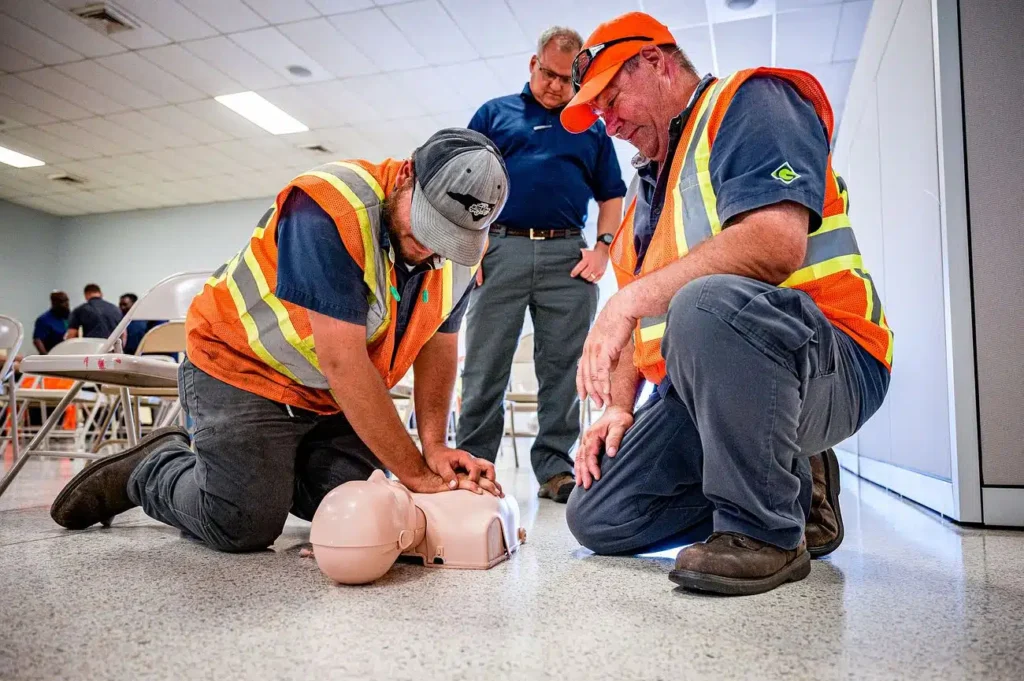
Pre-class study introduces the concepts before hands-on training. The course includes both theoretical instruction and physical demonstrations, where chest compression techniques follow standardized guidelines. Instructors often evaluate technique during the physical demonstrations, but they also assess factual knowledge through a written exam. While the practical exam tests physical endurance, the written test helps measure theoretical knowledge, and both sections often require a passing score.
You may also prepare questions for the instructor. As you review the adult and pediatric materials, you could write down any confusing terminology. The instructors often address such queries during the class. They can also provide clarifications during the hands-on practice. Even though the training covers standard scenarios, you might encounter unique situations, and instructors regularly provide relevant procedural guidance.
Choosing the Appropriate Attire
CPR certification often requires continuous physical application. Because you practice on mannequins placed on the floor, wearing flexible clothing helps improve flexibility. Outfits like stretchy shirts promote proper arm extension during compression, and trousers often encourage unrestricted movement. Unless you have documented physical accommodation, you often kneel for extended periods, and pants with stretchable fabric help provide necessary mobility.
Proper footwear helps prevent physical injuries during training. Since the class frequently requires rapid transitions between standing and kneeling, closed-toe shoes tend to offer structural support. Low heels help reduce tripping hazards. Closed shoes also protect the feet from dropped equipment. Selecting a pair of flat athletic shoes or slip-resistant work boots helps improve comfort during the class.
Organizing Required Documents
Administrative verification regularly begins on arrival. Before the instructor starts the lecture, they often verify each attendee’s identity. You can bring a government-issued photo identification, and renew the provided student cards when it expires. If an employer covers the cost of the training, you could provide the billing authorization. The instructor will attach this to official documentation.
Planning Logistics
Punctuality promotes compliance with certification board requirements. Because the American Heart Association mandates specific instructional hours, timely arrival helps you meet the hour requirements. You could check the local traffic conditions and allocate extra time that you might need to find parking in or near the training facility. When you map the route, accounting for public transit delays helps you arrive in time for the introductory modules.
Sign Up for a CPR Program
Many of the facilities process the completion records after final evaluation, and they may request you to provide an accurate email address during processing to support an e-Card. This also allows you to monitor your inbox for certification notifications and claim credentials through the provided web link. If your employer requires immediate documentation, you can print a completion transcript from the portal. It also allows you to activate permanent digital records. Start your CPR training today.