
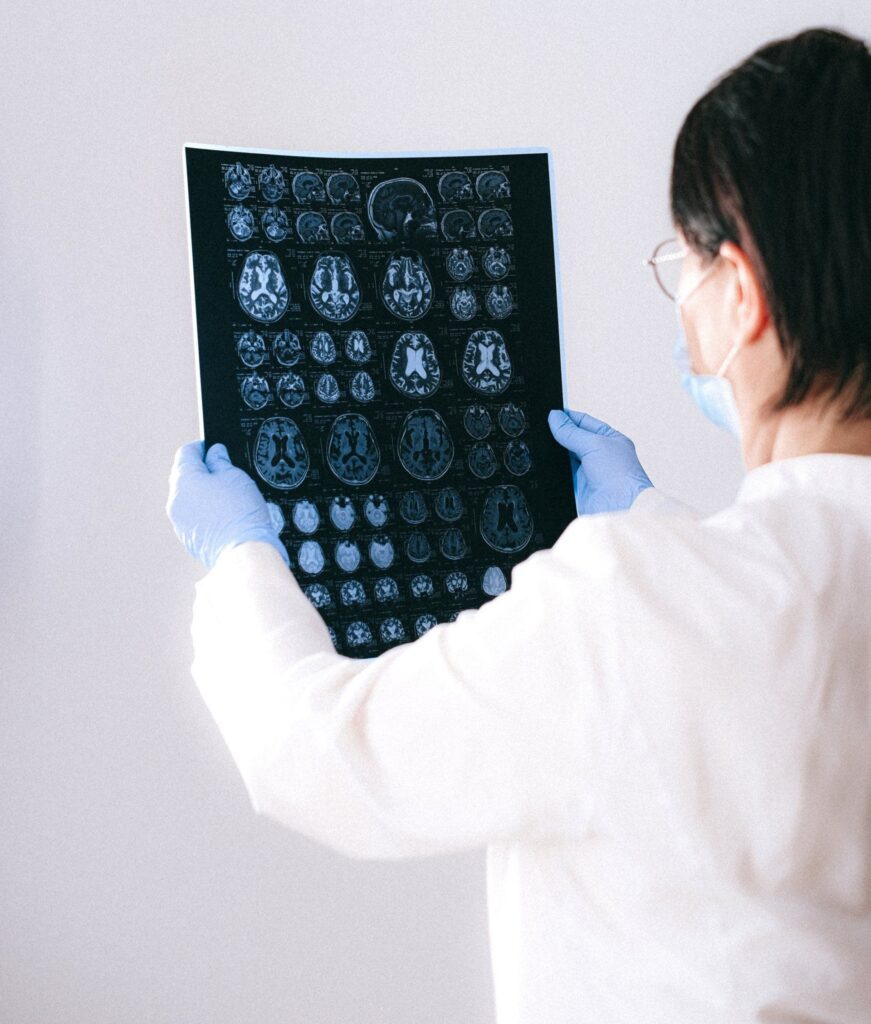
Neurological surgeons, or neurosurgeons, are physicians who diagnose and treat conditions affecting the brain, spine, and nervous system. Their role is not limited to the operating room, and they often guide patients through each stage of assessment and treatment planning. They also work with other specialists to help coordinate care. In brain tumor care, they review imaging, confirm diagnoses, and plan procedures when surgery is part of treatment. Here’s information on neurological surgeons and how they treat brain tumors:
What Neurological Surgeons Treat
Neurological surgeons treat many conditions involving the brain, including tumors that may be benign or malignant. In brain tumor cases, they assess the size, location, and effect of the growth on nearby brain tissue. This process often begins after a referral from another physician, especially if symptoms have occurred.
Their work includes reviewing MRI or CT scans, ordering additional tests, and determining whether a biopsy or surgery is appropriate. Some tumors require close monitoring, and others call for a more direct procedure. They assess how a tumor may affect speech, movement, vision, memory, or balance, and they use that information to help shape the next steps.
Neurological surgeons can thoroughly explain treatment options, and they help patients understand the purpose and limits of each option. If surgery is advised, they identify the safest approach based on the tumor’s position and the patient’s overall health. They often also coordinate follow-up imaging and recovery plans after a procedure.
When To Visit One
A person may be referred to a neurosurgeon when imaging shows a brain mass or when symptoms suggest a problem that requires further evaluation. These symptoms can include:
- Persistent Headaches
- Seizures
- Weakness
- Vision Changes
- Speech Problems
- Changes in Thinking
Not every symptom indicates a tumor, but new or worsening neurological symptoms should be evaluated by a medical professional. A visit is also appropriate when a primary care doctor, neurologist, or emergency physician identifies findings that need a surgical opinion.
In many cases, the first appointment includes a review of symptoms, medical history, prior scans, and current medications. The surgeon may perform a neurological exam to assess reflexes and overall mental status. Patients can also expect a discussion about whether surgery, biopsy, observation, or referral to another specialist is the next step. This visit is also a time to ask practical questions about treatment timing and follow-up care.
How They Perform Brain Surgeries
Several procedures are used in brain tumor care depending on the tumor’s type, size, and location. The right approach depends on the individual case, and the neurosurgeon selects a method that fits the treatment goal. Endoscopic surgery uses a thin tube with a camera and small instruments to reach certain areas of the brain through a small opening. This method may be recommended for tumors in locations that require limited disruption to nearby tissue. It is often used in select cases where a less invasive route is possible, and it may facilitate biopsy, tumor removal, or fluid drainage.
Craniotomy
A craniotomy is a procedure in which a section of the skull is temporarily removed so the surgeon can access the brain. This is one of the most common surgical approaches for brain tumors; it allows the surgeon to view the tumor directly and remove as much of it as possible. The exact technique varies by case, and planning often includes detailed imaging before surgery.
Gamma Knife Stereotactic Radiosurgery
Gamma Knife stereotactic radiosurgery is a non-incision procedure that uses focused beams of radiation to target a specific area in the brain. Despite the name including “knife”, it is not traditional surgery with a scalpel. Gamma Knife stereotactic radiosurgery is recommended for certain brain tumors based on size and location, and it is typically planned with high-precision imaging. This option can be discussed when an open procedure is not possible or appropriate.
Visit a Surgeon Near You
If you have a brain tumor, a neurological surgeon can provide a focused evaluation and explain your treatment options. A timely consultation can help clarify your diagnosis, and it can help you understand whether monitoring, biopsy, surgery, or another treatment option is appropriate. Contact a neurosurgeon near you to schedule a consultation today.