Youth athletics give young athletes opportunities to build physical fitness, improve performance, and develop healthy habits. Participating in sports can also increase the risk of injuries, especially as young athletes grow and develop. Here is a closer look at the impact of sports medicine on youth athletics:
Why Is Sports Medicine Necessary?
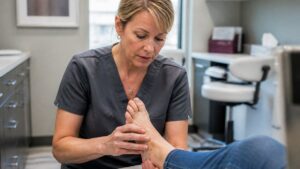
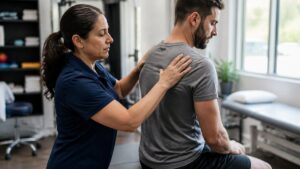
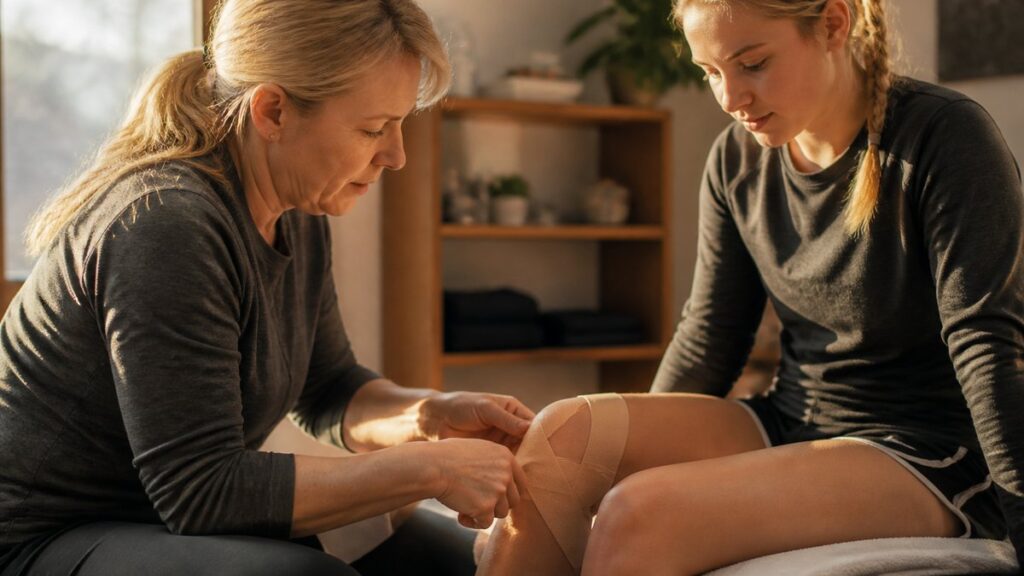
Sports medicine combines several areas of care into one coordinated approach. A care team often includes physicians, physical therapists, and athletic trainers, and each professional addresses a different part of an athlete’s health. A physician evaluates symptoms and orders imaging when needed, while a physical therapist designs exercises that restore strength and movement. Athletic trainers work on the sidelines and in schools, responding to injuries as they happen.
Young athletes differ from adults in key ways. Their bones contain growth plates, which are areas of developing tissue near the ends of long bones. These areas respond to stress differently than mature bone, so providers adjust their evaluations to match the athlete’s stage of growth.
How Can Athletes Prevent Injuries?
Injury prevention is a fundamental part of sports medicine. Sports injuries often follow predictable patterns, and providers use these patterns to build prevention plans. When athletes follow these plans consistently, they can address common risk factors before problems develop.
Recognize Overuse Injury Signs
Overuse injuries develop when repeated motion stresses the same muscles, tendons, or joints over time. Common types include elbow pain in baseball pitchers and pain below the kneecap in runners and jumpers. A provider reviews training volume and recommends changes, such as scheduled rest days or limits on repetitions.
Build Safe Training Habits
Safe training habits start before the first practice of the season. A pre-participation physical exam gives providers a baseline of the athlete’s health, and it identifies concerns that need attention. Athletes also benefit from proper warm-ups, correct technique, and well-fitting equipment.
How Can Sports Medicine Help?
Sports medicine supports performance through structured and age-appropriate guidance. Providers assess strength, flexibility, and movement patterns, and they identify imbalances that affect form. A young soccer player may show weakness in the hip muscles that changes how the knee moves during landing. Targeted exercises can address these findings before they become bigger concerns.
Physical development also depends on nutrition, hydration, and sleep. A sports and exercise medicine team explains how much fluid athletes need during hot-weather practices, and it outlines eating habits that match their training load. Sleep also plays a key role, as rest gives the body time to recover between sessions. These factors work together, so providers address them as parts of one plan.
What Supports Safe Recovery?
Injuries still occur, even with strong prevention habits in place. Sports medicine providers follow a structured process to evaluate injuries and guide athletes back to activity. While the process may differ between providers, here is a general step providers often follow:
- Initial evaluation: A provider reviews symptoms, examines the injured area, and asks how the injury happened.
- Treatment planning: The provider outlines care options, which often include rest, bracing, or physical therapy.
- Rehabilitation: Guided exercises help to rebuild strength, range of motion, and balance in gradual stages.
- Concussion management: Providers follow step-by-step protocols that slowly reintroduce physical and mental activity.
- Return-to-play testing: Athletes complete sport-specific tasks that show readiness before full participation.
- Ongoing monitoring: Follow-up visits track progress and identify concerns early.
Book Your Sports Medicine Appointment
Sports and exercise medicine supports young athletes at every stage of participation. It addresses injury prevention, physical development, and safe recovery, and it gives parents and coaches practical guidance. Regular physical assessments can also identify potential issues before they become serious, supporting optimal performance and long-term well-being. Contact a qualified sports medicine specialist near you to book your appointment today.