Individuals can explore diverse modalities to address their health and wellness goals. Among these options, acupuncture may serve as a complementary approach alongside conventional medical treatments. Patients can seek out this method to address ongoing physical discomfort or to support overall systemic balance. Integrating multiple therapeutic strategies allows for a comprehensive approach to general wellness.
What Is Acupuncture?
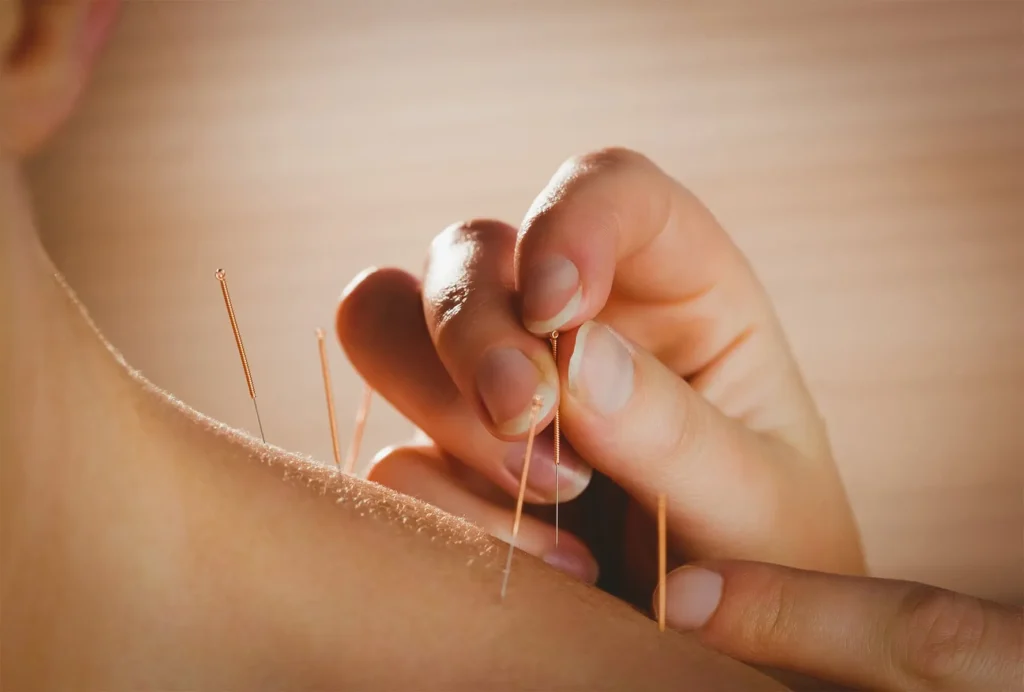
Acupuncture is a component of East Asian medicine. Practitioners insert thin, sterile, single-use needles into specific anatomical points on the body; this process aims to stimulate the central nervous system and the immune system. Practitioners view this technique as a method for correcting physiological imbalances, accomplishing this by prompting the body’s natural regulatory responses. A practitioner conducts a comprehensive health history evaluation to determine the precise points that require stimulation. Every session is individualized, meaning two people presenting with similar complaints might receive stimulation at different locations. During a typical visit, patients rest in a quiet setting, and the needles remain in place for a specified duration.
What Is It Used For?
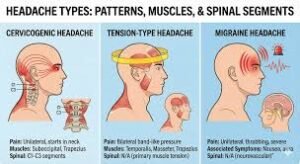
Individuals pursue acupuncture for a wide array of physical and physiological complaints. A large portion of patients utilizing this therapy seek relief from chronic pain and musculoskeletal injuries, such as joint stiffness, muscle strains, or recovery from athletic activities. Practitioners frequently apply these methods to assist patients in managing frequent headaches and to provide relief from varying forms of arthritis.
Beyond pain management, this modality is utilized to support various internal systems. Patients can integrate acupuncture into their routines to address digestive irregularities, allergies, and asthma. It is also applied as a supportive measure for fertility enhancement and managing autoimmune disorders. Some individuals utilize acupuncture for general health maintenance and focus on immune system support rather than addressing an acute illness. The scope of its application remains broad, allowing practitioners to tailor the approach based on specific patient backgrounds and presenting symptoms.
Can It Complement Other Therapies?
Acupuncture functions effectively alongside an extensive range of traditional and modern therapies. Within the realm of East Asian medicine, practitioners routinely pair needle stimulation with cupping therapy, which utilizes suction to draw blood to the skin’s surface. Moxibustion, a process involving the burning of mugwort near the skin, and Tui Na, a traditional therapeutic bodywork, can also seamlessly combine with acupuncture. Herbal medicine and personalized nutritional planning may accompany these sessions and be used to address internal imbalances.
In clinical settings that bridge traditional and modern practices, acupuncture can complement technological modalities. Patients might receive a form of laser or light therapy concurrently, as these non-invasive treatments also aim to promote cellular repair and reduce inflammation. Infrared heat therapy serves as another common adjunct and can be beneficial for individuals managing deep joint stiffness or neuropathic pain. By combining these services, practitioners build multifaceted care plans that target symptoms through various complementary mechanisms.
Confer With a Wellness Professional
Before beginning any new therapeutic regimen, individuals should discuss their options with a qualified healthcare provider. A practitioner can evaluate your medical history, current medications, and health objectives to determine if acupuncture aligns with your needs. Transparency during these consultations prevents adverse interactions and promotes safety if you undergo concurrent treatments for complex medical conditions. Open communication with both your primary care physician and your acupuncture provider facilitates a coordinated approach to your health.