When athletes experience an injury, they may need structured care for an efficient recovery. A focused medical approach can speed up the overall healing timeline, and it prevents future physical problems from occurring. A sports medicine physician can diagnose sports injuries and create a rehabilitation plan to help the injury heal; a proper rehabilitation plan also usually includes elements to help prevent re-injury. Here is more information about rehabilitation and sports medicine:
Defining Sports Medicine Practices
Since physical activity puts stress on the body, sports medicine addresses these physical demands. This field focuses on the treatment of various musculoskeletal injuries, and it promotes overall physical wellness for active individuals. Medical professionals diagnose various complex joint or muscle problems.
Several different health providers practice in this specialized area, and they offer highly unique medical skills. The treatment team may include specialized orthopedic surgeons and licensed physical therapists. If patients experience severe physical trauma, sports medicine physicians can help formulate a care plan.
Proper medical care prevents future physical injuries from occurring. The care team analyzes your regular movement patterns, and they correct any obvious physical imbalances. Before a minor strain becomes a severe injury, early medical intervention stops the damage.
Understanding Rehabilitation Programs
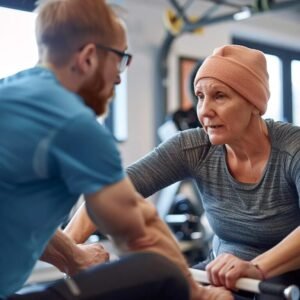
A structured recovery plan focuses on the needs of each individual patient. A customized medical approach can target the root cause of the injury, and it helps speed up the overall healing process. When patients follow these prescribed exercise guidelines, their physical recovery can progress on track.
A dedicated medical team sets functional goals for the recovering patient. The healthcare professionals track your milestones, and they modify the therapeutic exercises accordingly. Since patients respond differently to physical therapy, the rehabilitation timeline varies for each person.
Exploring Program Care
Medical providers evaluate the baseline strength of an injured patient, and they measure current joint mobility. A fully structured plan involves multiple targeted therapeutic activities for the body. Because serious injuries restrict natural joint movement, early treatment may focus on mobility restoration.
Comprehensive treatment plans may incorporate these core medical strategies for patients:
- Targeted daily stretching routines for improved joint flexibility.
- Progressive weight training for enhanced muscle strength.
- Dedicated balance exercises for overall joint stability.
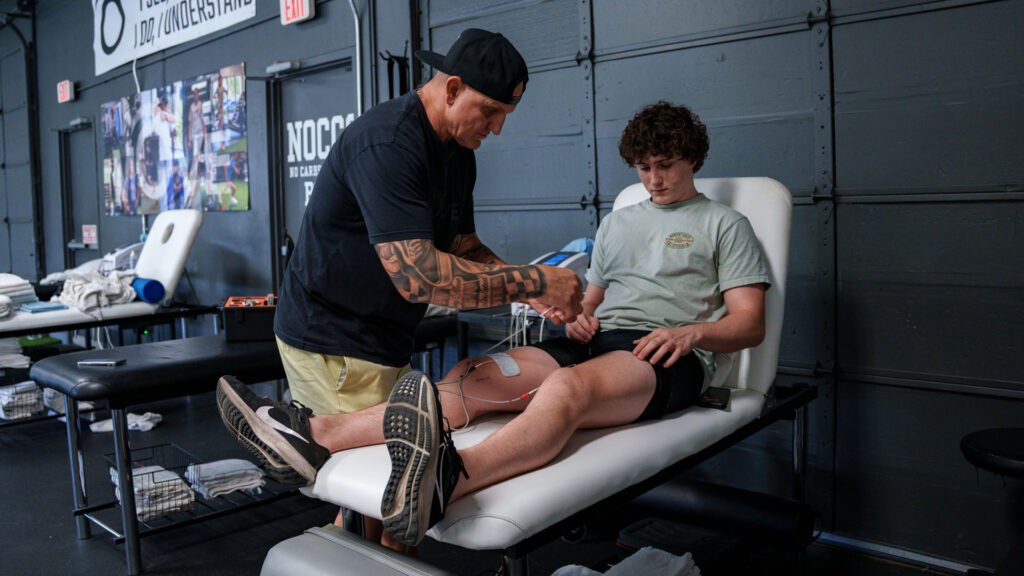
Advanced clinical therapies support the basic physical exercises during the recovery phase. The clinical team may utilize therapeutic ultrasound treatments, and they usually apply targeted electrical muscle stimulation. When patients experience severe muscular stiffness, these advanced medical modalities can provide physical relief.
Recognizing the Need for Treatment
If you experience persistent joint pain during normal exercise routines, you may benefit from professional medical advice. Noticeable tissue swelling indicates internal physical damage, and restricted joint movement limits your regular daily activities. Sharp physical pain during routine daily tasks signals an underlying medical problem.
Find a Sports Medicine Doctor
Proper clinical rehabilitation may help restore your previous physical capabilities, and it helps you return to normal daily activities. Targeted therapeutic interventions can resolve underlying musculoskeletal injuries effectively. If you have questions about the benefits of rehabilitation programs in sports medicine, consult a medical provider near you.