Environmental allergies occur when the immune system reacts to substances in the surrounding environment, such as dust mites or mold. Seasonal allergies are a subset of environmental allergies triggered by outdoor allergens that appear during specific times of year. The most common seasonal allergies include tree pollen in spring, grass pollen in summer, and ragweed in fall. While these reactions can produce symptoms resembling a cold or other respiratory illness, they are immune responses to harmless substances rather than infections caused by viruses or bacteria. Here’s information on environmental allergies and how to manage them during the seasons:
How Seasonal Allergies Affect You
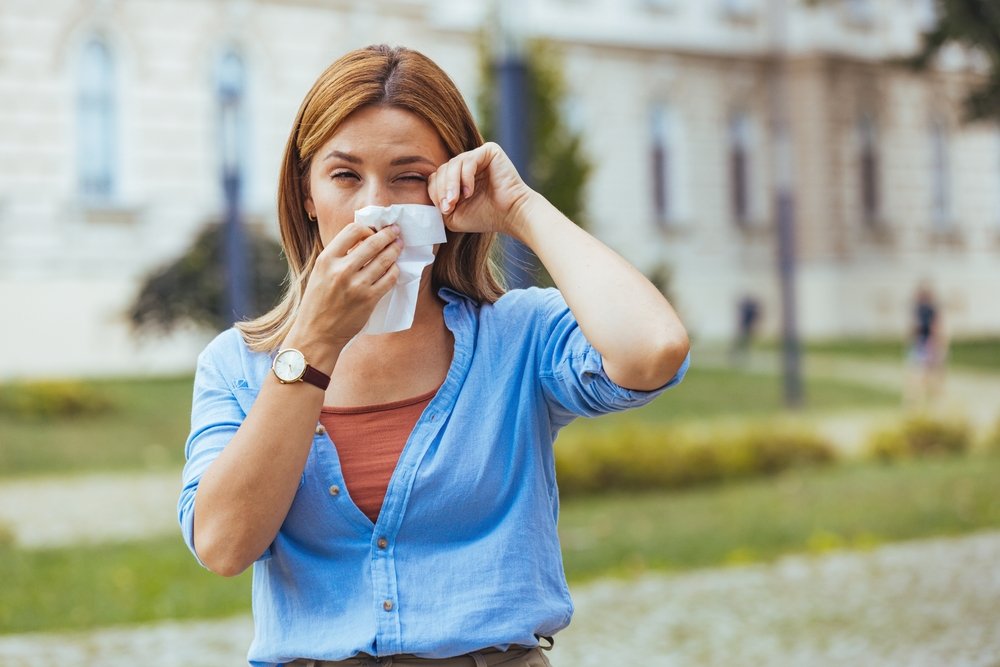
Seasonal allergies can produce a range of symptoms, including sneezing, nasal congestion, itchy or watery eyes, and a scratchy throat. Some people also experience fatigue or headaches during high-pollen periods. These symptoms often overlap with those of common colds or other respiratory illnesses, making them sometimes difficult to distinguish.
Allergy symptoms tend to persist for weeks or months and often follow predictable seasonal patterns, while cold symptoms typically resolve within seven to 10 days. Allergies do not usually cause fever, and itchy eyes are far more common with allergic reactions than with viral illnesses. Pollen counts fluctuate with weather conditions, and symptoms may be more pronounced on dry, windy days when airborne particles travel more freely.
How To Reduce Exposure at Home
Managing allergen exposure in your home is a practical step you can take to reduce the frequency and intensity of allergy symptoms. Keep windows and doors closed during peak pollen seasons, and use air conditioning to filter indoor air. After spending time outdoors, change your clothes and shower before bed. This removes allergens and pollen from your skin and hair, reducing exposure.
Another way to reduce allergen exposure is to check daily pollen counts and limit outdoor activities on days when levels are high. If allergies persist, try using a high-efficiency particulate air (HEPA) filter in your bedroom and main living areas. These filters capture small airborne particles, including:
- Pollen
- Mold Spores
- Pet Dander
- Dust Mite Particles
Cleaning key items at home is another way to reduce allergen exposure. Consistent cleaning habits reduce the overall allergen load in your home, and this can make a noticeable difference in how often symptoms appear. For dust mite or pollen accumulation, wash your bedding weekly. Try using allergy-friendly sheets and pillowcases for support. Vacuum carpets, rugs, and upholstered furniture regularly using a vacuum equipped with a HEPA filter. Replace HVAC filters on a regular schedule, and have your air ducts cleaned if dust buildup is significant.
When To Visit a Specialist
If your allergy symptoms are difficult to manage, or if they interfere with sleep, work, or daily activities, it may be time to consult an allergist. An allergist can perform testing to identify specific triggers and recommend a management plan tailored to your situation. You can also see a specialist if you are unsure whether your symptoms are due to allergies or another condition. People who experience symptoms year-round, or whose symptoms worsen during particular seasons, may benefit from an evaluation. Immunotherapy is one option that allergists may discuss, and it involves gradual exposure to allergens over time to reduce sensitivity.
Find an Allergist Near You
Living with seasonal allergies is manageable with the right support and information. An allergist can provide an evaluation, help identify your triggers, and guide you through treatment options that fit your needs. To learn more about your management options, contact an allergist today to schedule a consultation.