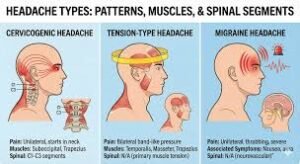
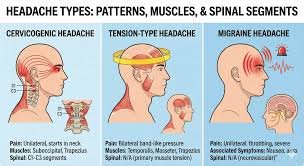
Headaches affect nearly everyone at some point in life; most fade after rest or basic pain relief, but some return again and again. A headache becomes chronic when it persists for extended periods or recurs frequently. If your symptoms follow this pattern, you may need professional support. Here is more information on deciding when it’s time to seek medical attention for chronic headaches:
Disruption of Lifestyle
Chronic headaches may interfere with daily routines and impact your daily lifestyle. You might skip work, and you might cancel plans with family or friends. When pain limits your ability to function normally, that signals a deeper problem. Track how often these disruptions happen each week. This information will help you and your healthcare provider identify triggers and develop an effective treatment plan.
Changes in Patterns
A shift in headache patterns requires attention from a medical professional. You may notice new pain locations, or you may feel pain that lasts longer than usual. Watch for these warning signs:
- Pain that is sudden and severe, unlike other headaches
- Pain that worsens over several days
- Headaches that begin after age 50
Document any changes, because details help a doctor reach an accurate diagnosis. New patterns may point to causes that need closer evaluation.
Pain Relievers are Insufficient
Over-the-counter medication works for occasional headaches. When standard relievers stop helping, your body may need a different approach. Frequent use of these drugs may cause rebound headaches, which makes the cycle worse.
You might increase doses to chase relief, but higher amounts carry risks. Track how many pills you take each week. A doctor reviews your medication use and suggests safer options when needed. A healthcare professional can help identify underlying causes and develop a tailored treatment plan to effectively manage your condition.
Triggers are Unclear
Many people identify clear headache triggers over time. Common ones include stress, poor sleep, certain foods, and bright lights. When you cannot pinpoint what sets off your pain, the situation grows harder to manage.
Unknown triggers make prevention difficult. You may try to avoid suspected causes, yet the headaches continue without explanation. A medical professional uses tests to find hidden factors behind unexplained pain.
Keep a simple symptom diary to assist this process. Note these details each time pain strikes:
- Time and duration of the headache
- Foods and drinks consumed beforehand
- Sleep quality the previous night
- Activities or environments around the onset
This record reveals patterns you might miss on your own. Share the diary with your doctor during your appointment to help provide clues to narrow down the root cause of your headaches.
Get Treated for a Headache
Chronic headaches signal that your body needs evaluation. A specialist examines your history, and a specialist orders tests to find the source; early assessment helps identify conditions that require specific care. Schedule an appointment if your symptoms match any patterns described above, and bring your diary, list your current medications, and describe recent changes in your pain. Contact a qualified healthcare provider today to begin the evaluation process.