Ultraviolet (UV) radiation from the sun can damage skin cells and increase the risk of skin cancer. Sun protection habits, such as using sunscreen and seeking shade, can help reduce this exposure. Here is a closer look at the role of sun protection in skin cancer prevention:
Harmful UV Exposure
The sun emits two main types of UV light that reach the ground: UVA and UVB. UVA rays travel deeper into the skin, and they contribute to wrinkles and other signs of aging. UVB rays mainly affect the outer layer of skin, which is why they cause most sunburns. When UV light reaches skin cells, it damages their genetic material, called DNA, and the cells may grow abnormally if the damage builds up over time. Some people link skin cancer to beach trips, but daily exposure during commutes and errands also counts, and it often goes unnoticed.
Strategic Shade and Timing
Shade and timing are two of the simplest ways to limit UV exposure and reduce skin cancer risk. They require no special products, and they work alongside clothing and sunscreen. Once you understand when UV levels peak, you can plan outdoor tasks around them.
Seek Shade During Activities
Trees, umbrellas, and buildings can block some direct sunlight. Shade does not block all UV light, so you still need clothing and sunscreen. Reflected light from sand, water, or pavement can reach your skin even when you sit under an umbrella. If you plan a picnic, a sports event, or outdoor work, bring a portable canopy and choose seating that stays shaded as the sun moves.
Plan Around Peak UV Hours
UV rays are strongest between 10 a.m. and 4 p.m. in most regions. Weather apps often report a daily UV index, which rates UV strength on a numbered scale. A reading of 3 or higher requires sun protection and signals very high exposure. When you schedule walks, yard work, or errands, aim for early morning or late afternoon, and check the UV index before you leave.
Protective Outdoor Clothing
Clothing creates a physical barrier between your skin and the sun. Some fabrics block more UV light than others, and labels often show this rating. Ultraviolet protection factor (UPF) measures how much UV light a fabric blocks. When you shop for sun-protective clothing, look for the following items:
- Wide-brimmed hats: A brim shades the face, ears, and neck, which are common areas for skin growths.
- Long-sleeved shirts and long pants: Tightly woven, dark, or bright fabrics can block more UV light than loose and light-colored ones.
- UV-blocking sunglasses: Lenses labeled “100% UV protection” can shield the eyes and the thin skin around them.
- Neck gaiters and gloves: These cover areas that standard clothing leaves exposed, such as the neck and the backs of the hands.
Consistent and Correct Sunscreen Use
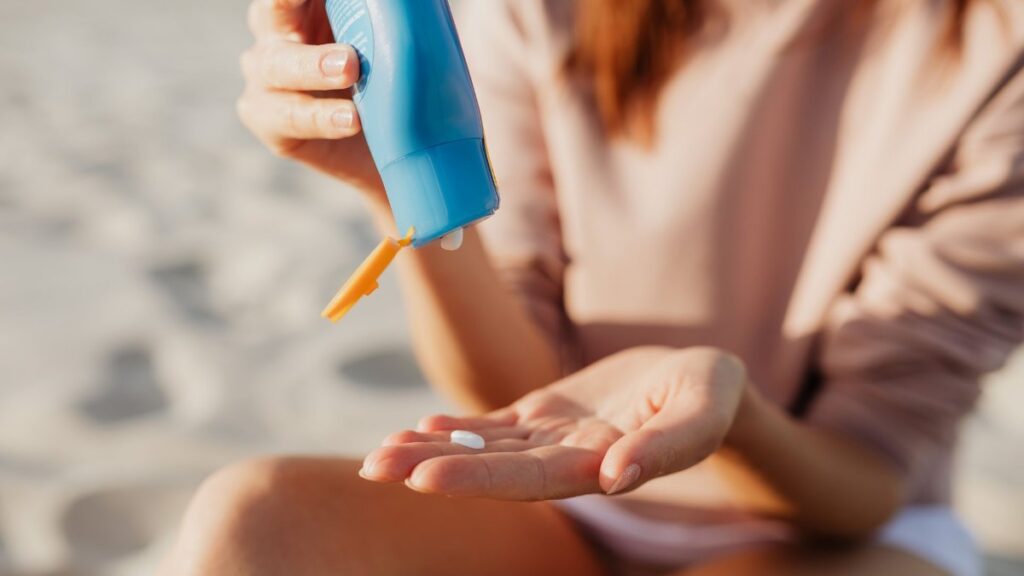
Sunscreen absorbs or reflects UV light before it reaches the skin. SPF stands for sun protection factor, and it rates protection against UVB rays. Dermatology groups recommend a water-resistant formula with SPF 30 or higher and broad-spectrum coverage against both UVA and UVB rays. If you have a healing biopsy site or surgical scar, ask your dermatologist which product suits that area, and follow their wound-care directions. Adults often need about one ounce of sunscreen to cover the body. Apply it 15 to 30 minutes before you go outside. Reapply every two hours, and reapply right after swimming or sweating.
Learn More About Skin Cancer
Sun protection combines shade, timing, clothing, and sunscreen into one daily routine. Sun protection works best alongside regular skin checks, which help identify changes early. Wear protective clothing, such as wide-brimmed hats and UPF-rated fabrics, for added defense against harmful UV rays. To learn more about skin cancer, contact a qualified healthcare provider near you to schedule your appointment today.