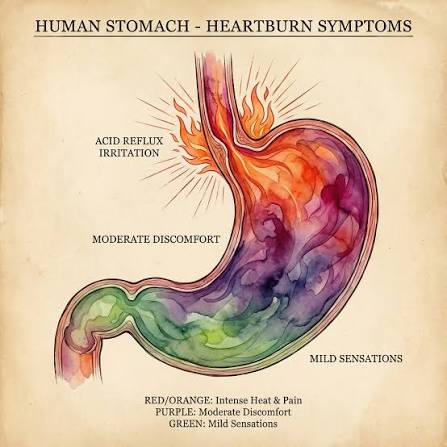
Acid reflux occurs when stomach acid flows back into the esophagus, the tube connecting the mouth to the stomach. A ring of muscle at the base of the esophagus normally closes after food passes through, but it sometimes relaxes at the wrong time. This occurrence allows acid to travel upward, and heartburn is a common result. When this happens regularly, providers may use the term gastroesophageal reflux disease, or GERD. Treatment approaches for acid reflux vary widely. Some people start with daily habit changes, while others use over-the-counter products or prescription medications. Here’s information about several acid reflux remedies:
Adjusting Daily Lifestyle Habits
Lifestyle adjustments are a fundamental first step in managing acid reflux, and health care providers may recommend them before discussing medication. These changes fit into most routines without major disruption. Because everyone responds differently, your provider can help you choose the steps that fit your situation. Meal timing plays a key role. Providers may suggest finishing meals two to three hours before lying down, since staying upright lets gravity keep stomach contents in place. Many plans also recommend smaller portions because they put less pressure on the stomach and are typically easier for the body to process.
Some people notice reflux after specific foods and drinks. Examples may include:
- Mint
- Garlic
- Onions
- Chocolate
- Coffee
- Alcohol
A food journal helps you track personal patterns, and bringing it to your appointment gives your provider more detail to work with. Sleep position and body weight are additional factors worth reviewing with your provider, who may suggest raising the head of your bed or setting a gradual weight-loss goal.
Reviewing Over-the-Counter Products
Pharmacies stock several categories of reflux products that address symptoms in different ways. Reading product labels carefully is a key habit, and consulting a pharmacist before selecting a product is a helpful step. Over-the-counter options may include the following:
- Antacids: products designed to neutralize existing stomach acid
- H2 blockers: medications that reduce acid production, such as famotidine
- Proton pump inhibitors (PPIs): medications that block acid production more fully, such as omeprazole
- Alginates: products that form a protective barrier on top of stomach contents
Package directions specify dosage limits and maximum use durations. If you take other medications, ask a pharmacist about possible interactions before adding a new product to your routine. Relying on over-the-counter acid reflux remedies for more than a few weeks may indicate a more significant issue; schedule a visit with your provider to review your full history.
Discussing Prescription and Procedural Care
When lifestyle adjustments and store-bought products don’t provide enough relief, providers sometimes recommend prescription medications or further evaluation. Prescription-strength PPIs and H2 blockers are possible choices, and providers set the dose and duration based on each person’s health history. If a medication causes side effects, contact your provider before stopping it. Procedural options such as fundoplication or magnetic bead placement exist for select cases. A specialist can outline whether either approach fits your needs. Some symptoms, including trouble swallowing, unexplained weight loss, or vomiting blood, call for prompt attention.
Find Suitable Acid Reflux Remedies
Acid reflux treatment may involve daily habit changes, over-the-counter products, and prescription or procedural care when needed. Each step builds on the last, and your provider tailors the plan to your individual history. Contact your health care provider today to schedule an appointment and discuss which treatment approach suits your needs.