

Identifying and Treating Acute and Chronic Back Pain
Some people visit a pain management provider because of back pain. Pain can include aching, soreness, or stiffness in your mid or lower back. Some pain fades within days, but other back pain lasts for months. When you know which type you have, you can describe it clearly. Sudden and Short-Lived Pain Acute back pain starts suddenly. It often follows a specific event, such as lifting, twisting, or falling. You may feel a sharp pain, or you will notice muscle spasms. The pain sometimes limits your ability to bend, stand, or walk. Noting how and when your pain started helps

Understanding the Role of Physical Therapy in Pain Management
Chronic and acute pain can disrupt daily life. Pain limits movement, and it reduces quality of life for some patients. Physical therapy offers a structured, non-invasive approach to managing pain while it addresses the underlying causes. Here is more information on what pain management involves, how physical therapy contributes to the process, and what patients can expect when they begin treatment: What Does Pain Management Involve? Pain management is a medical field focused on reducing pain and improving function. It often includes medication and interventional procedures; it also incorporates physical rehabilitation. Each component addresses a different aspect of the patient’s

The Long-term Effects of Chronic Back Pain on Daily Life
When back pain lasts longer than three months, doctors classify it as chronic pain. This condition affects many adults in different ways. Some people feel a dull, constant ache, and others deal with sharp or burning pain. Here are four major long-term effects and what to do about them: Decreased Activity Pain leads people to move less. While rest feels helpful at first, long periods of inactivity weaken the muscles that support your spine. Weaker muscles provide less support, and the back becomes more prone to pain. People with chronic pain might cut back on these activities: Gentle movement keeps
The Role of Regular Skin Checks in General Dermatology
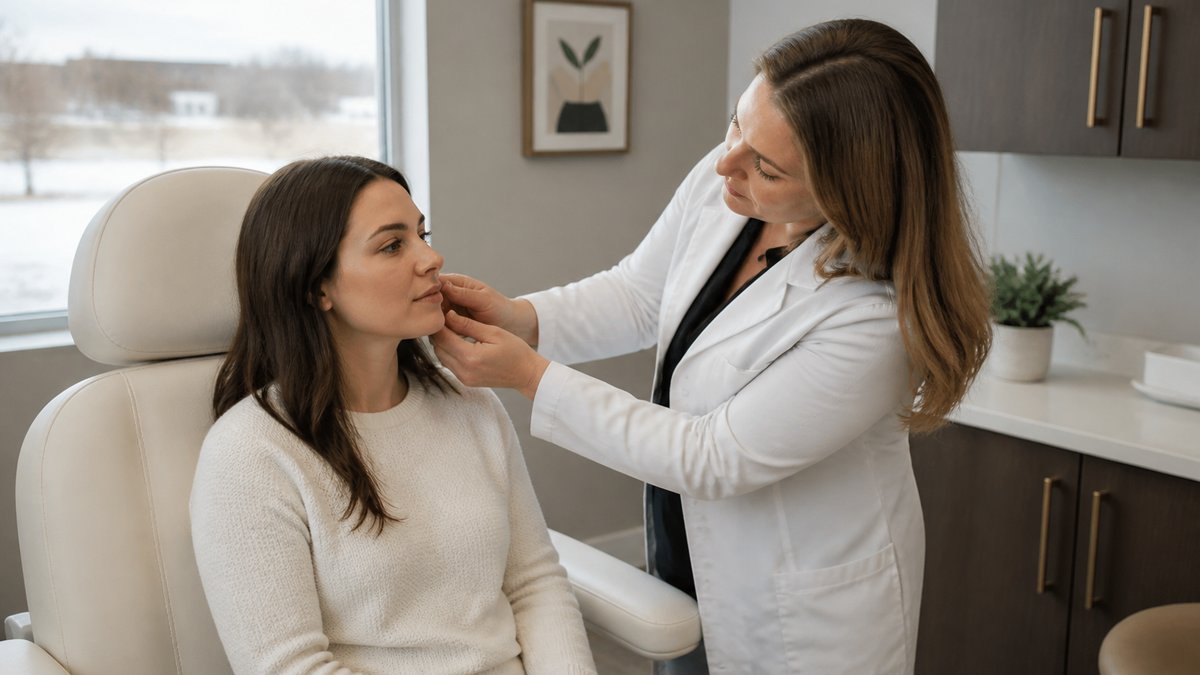
General dermatology covers routine care for the skin, hair, and nails. A skin check is a scheduled, full-body visual exam performed by a dermatologist. During this visit, the provider examines your skin from scalp to sole. They note moles, spots, and growths with close attention to detail, and they record any changes from previous exams. Here’s information about the role of regular skin checks: Establishing Your Skin Baseline A baseline is a detailed snapshot of your skin at a specific point in time. During your first full exam, your dermatologist notes the size, shape, and color of existing spots; some

Innovative Biologics Treatment Options
Innovative biologic treatments use substances from your own body to support natural healing, often to address chronic musculoskeletal pain. These options are a part of regenerative medicine, which aims to support the body’s own repair mechanisms. Rather than starting with surgery, orthopedic physicians may use minimally invasive procedures to deliver biologic materials directly to injured tissues. A pain specialist can evaluate your condition and determine whether a biologic treatment fits your care plan. Here’s more information on innovative biologics and how they may support your health needs: Infusion Therapy One innovative biologics option is infusion therapy, which delivers medications, vitamins,

What To Know About Pregnancy Care for Expecting Mothers
Pregnancy care encompasses the medical support a person receives before conception and throughout the early stages of pregnancy. This care begins long before a positive pregnancy test, starting with family planning and moving through a series of prenatal appointments. The first weeks of pregnancy involve several key steps, and knowing what to expect at each stage helps you prepare meaningful questions and organize your schedule. Planning for Pregnancy Family planning starts when you begin thinking about the timing of a pregnancy, and a preconception consultation is a helpful place to begin. An obstetrician-gynecologist (OB/GYN) reviews your health history before conception
What To Know About Living With a Deviated Septum
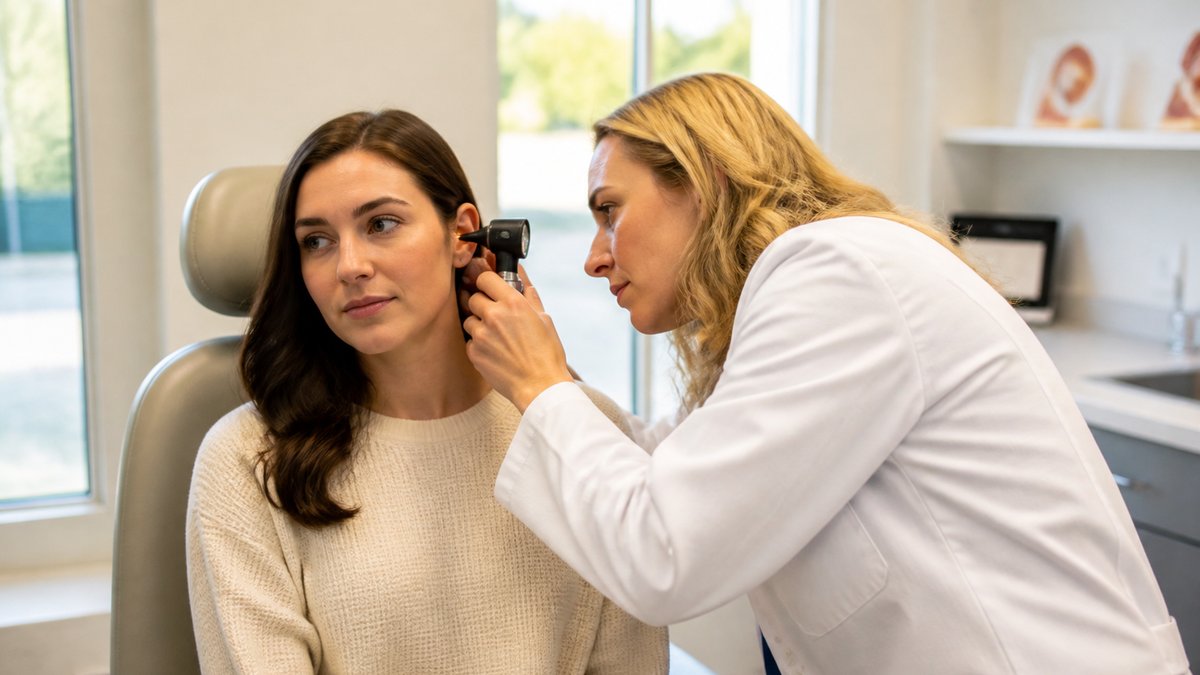
The nasal septum is the thin wall of cartilage and bone that divides the nose into two passages. When this wall shifts noticeably to one side, specialists call it a deviated septum; this is a common nasal structural difference. Some people are born with it, while others develop it after an injury. Because the septum sits at the center of the nasal cavity, its position directly affects how air moves through each nostril. Many people with a deviated septum experience no symptoms at all. Others notice one-sided congestion, noisy breathing during sleep, or recurring sinus issues. Here are several things
Key Techniques for Optimal Wound Care
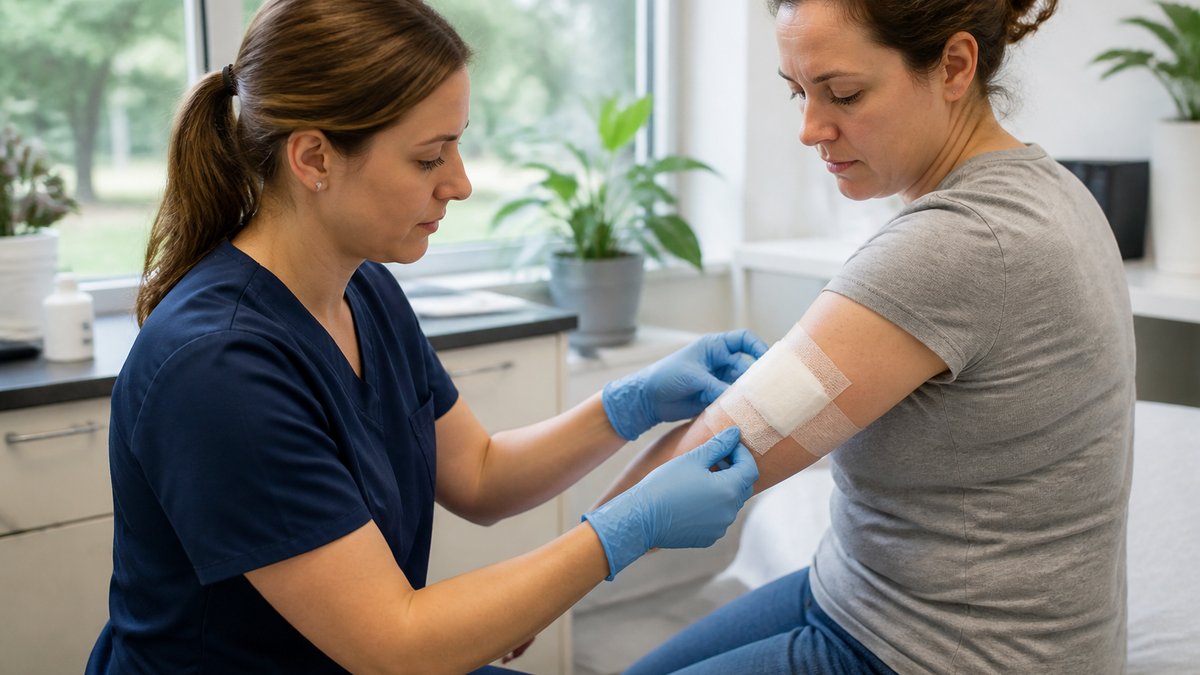
Proper wound care supports the body’s natural healing process and lowers the risk of serious complications. Following serious injury or surgery, wound care helps tissue successfully restore to health. Good nutrition, adequate hydration, and careful management of chronic health conditions further support tissue repair. Learn some techniques for optimal wound care. Who Would Need Wound Care? Certain individuals require more focused and ongoing care, including patients recovering from surgery who must protect their incisions to prevent infection and support proper closure. People who have experienced traumatic injuries from car accidents, falls, or physical assaults may have deep lacerations or complex
How Podiatrists Can Help With Diabetic Foot Care
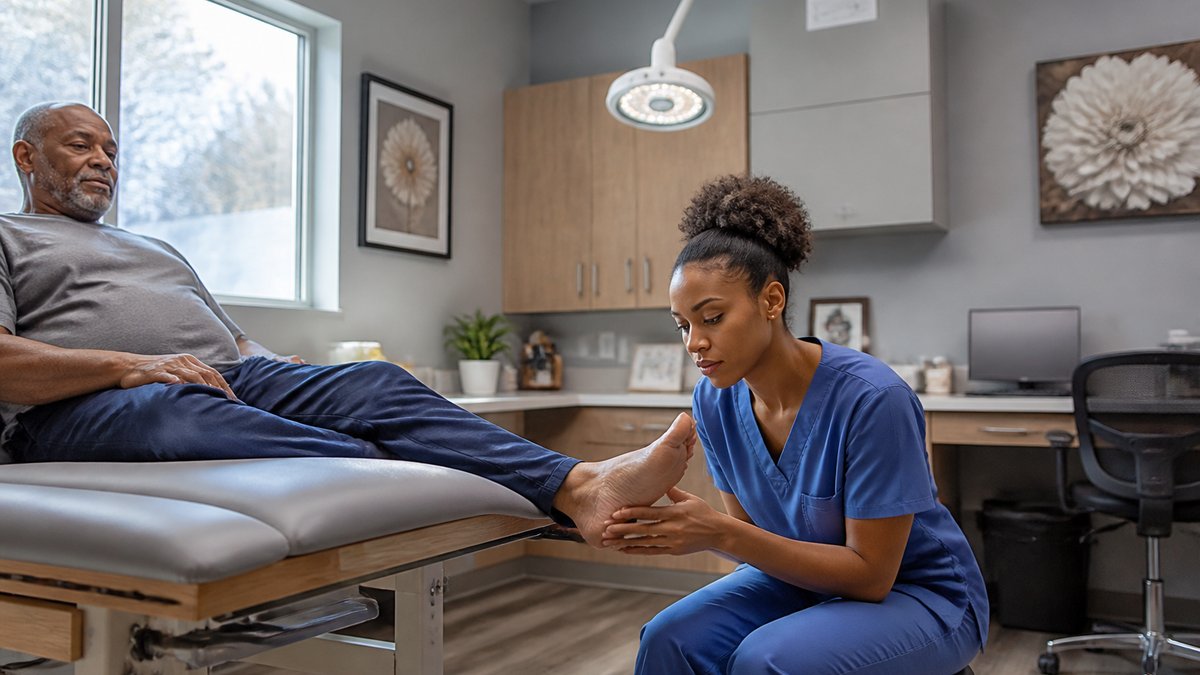
Diabetes can affect nerve function and circulation in the feet, making injuries harder to detect and slower to heal. A podiatrist can assess foot health, identify concerns, and provide care to help reduce the risk of complications. Here is a closer look at how podiatrists can help with diabetic foot care: Assessing Foot Health Risks The first visit usually begins with a full foot exam. Your podiatrist checks your skin, nails, and foot shape, looking for redness, swelling, cracks, or color changes. They also test nerve sensation with simple tools, such as a soft nylon strand pressed lightly against the

How Women’s Care Services Enhance Physical Health
Women have distinct health needs at every stage of life, from adolescence through the reproductive years and into menopause. Women’s care services address these needs through preventive screenings, diagnostic testing, and personalized treatment plans designed to protect long-term physical health. Regular visits with a gynecologist or women’s health provider help identify conditions earlier, before symptoms appear and when treatment is most effective. Learn more about how women’s care services enhance physical health. Cancer Screenings Many cancers that affect women develop gradually and may not cause noticeable symptoms in their early stages. Screening tests detect abnormal changes before they progress. These