

3 Changes To Help Manage Arthritis Symptoms
Arthritis affects various areas, including the ankles and feet. Ankle arthritis impacts the joint connecting the shinbone to the top of the foot. Cartilage between these bones gradually wears down, which reduces the joint’s ability to absorb impact. People with ankle arthritis may notice stiffness, swelling, and difficulty walking. Prior injuries, including fractures or severe sprains, are key risk factors linked to its development. Managing ankle arthritis may require more than one approach; some people start with supportive devices, while others explore injections or surgery. Here are three changes that help with symptom management: 1. Wearing an Ankle Brace An ankle

The Role of Primary Care Physicians in Community Health
When people need medical advice, they turn first to a primary care physician (PCP). These doctors include family physicians, internists, and pediatricians. They treat common illnesses and manage long-term conditions, and they also offer preventive services like screenings and vaccines. This is how their work affects individual patients and the health of communities: Serving as Starting Point A primary care physician typically serves as your first contact with the health care system. You might visit for a sore throat, or you might come in for a yearly checkup. Since PCPs train across many fields, they treat a wide range of

What To Expect When Visiting an Orthopedic Surgeon
An orthopedic surgeon is a physician who specializes in the musculoskeletal system; they focus on the bones, joints, muscles, and nerves. These specialists treat a wide range of concerns, from knee and hip pain to shoulder and ankle injuries. While the title includes “surgeon,” many visits focus on evaluation and discussion rather than surgical planning. Here are several things to expect when visiting these specialists: Preparing for Your Visit Preparation begins before you arrive at the office, as practices may send intake forms in advance. Completing these documents at home helps save time at check-in; gathering the right materials also
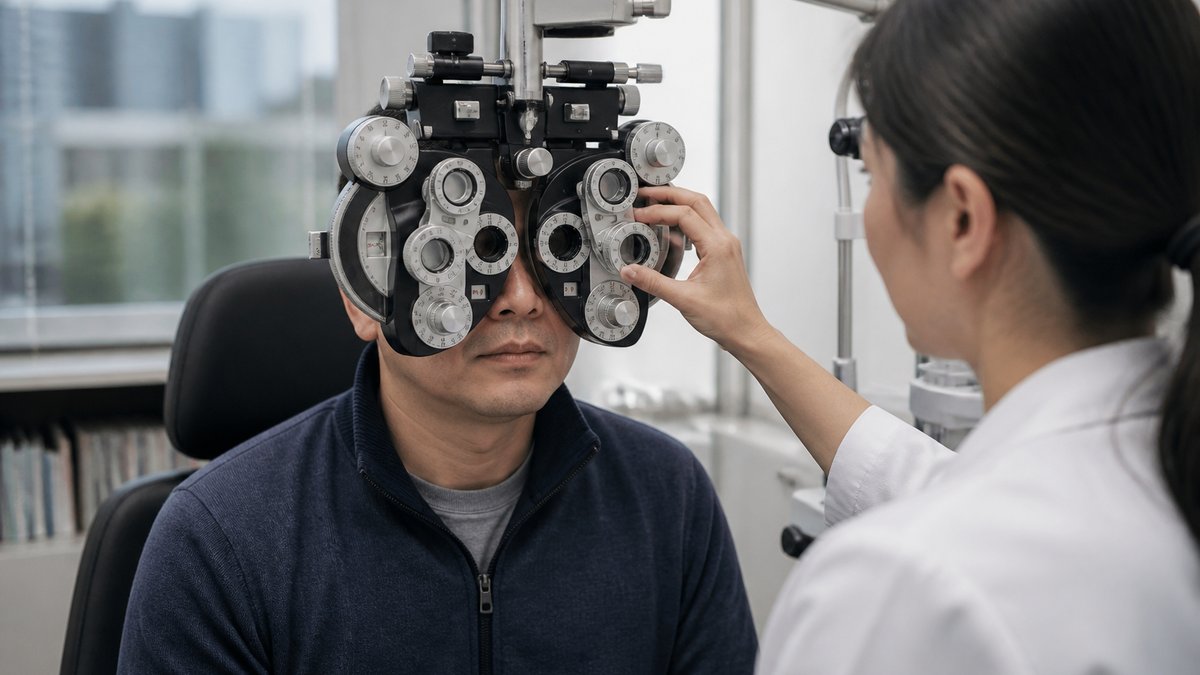
Recognizing the Symptoms of Glaucoma for Early Intervention
Glaucoma is a group of eye conditions that affect the optic nerve. This nerve carries visual information from the eye to the brain, and damage to it can alter how clearly you see. Understanding glaucoma’s basic characteristics, common symptoms, and the role of routine exams helps you act in a timely, informed way. Understanding Glaucoma Basics Glaucoma develops when the optic nerve sustains damage. Eye care professionals often associate this damage with elevated pressure inside the eye, but it can also occur in people whose eye pressure falls within a typical range. Several types of glaucoma exist, and each follows

The Benefits of Prenatal Care in Obstetrics
Prenatal care is the medical care you receive during pregnancy. It begins with your first visit to an obstetrics provider, and it continues until delivery. During each appointment, your provider checks your health. Regular visits give you a clear schedule for tests and guidance. Monitoring Your Health Your obstetrics provider may perform a pelvic exam at your first prenatal visit. This exam checks your uterus, cervix, and pelvis, and it helps your provider confirm the stage of pregnancy. Your provider uses the exam to check the size and shape of your uterus, and they note any concerns. If your provider
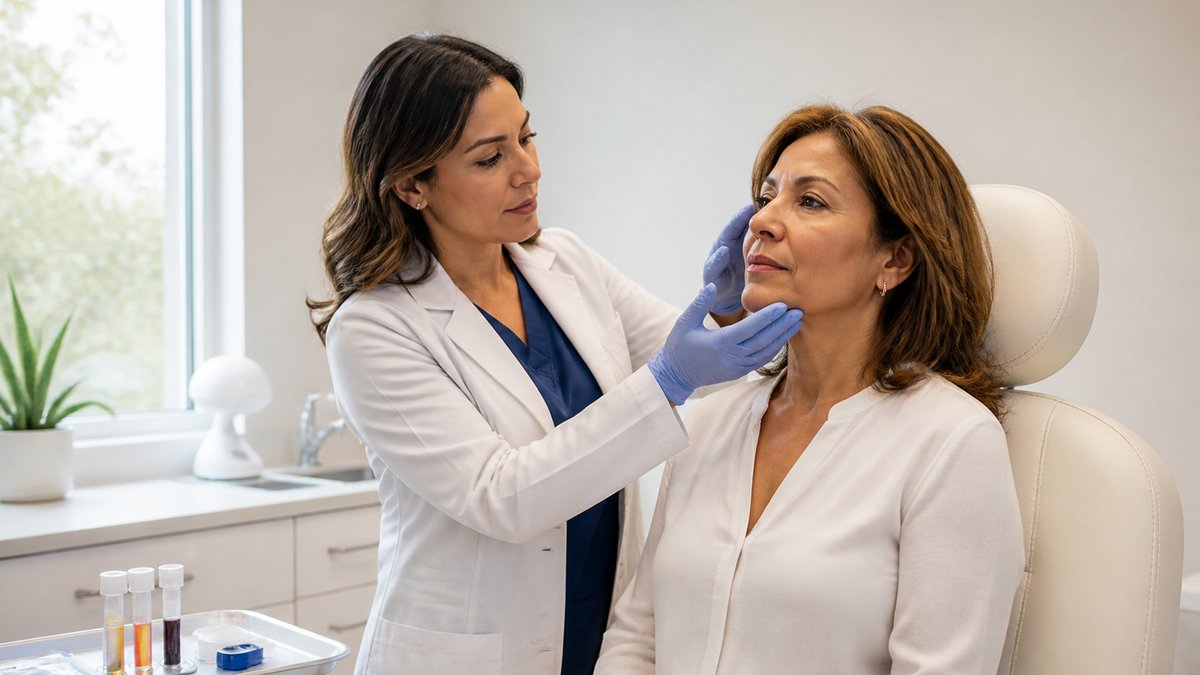
PRP Therapy for Skin Repair and Healing
Platelet-rich plasma, or PRP, is a concentrated form of platelets drawn from your own blood. Platelets contain growth factors, and these proteins play a role in the body’s natural repair process. PRP therapy uses this concentrate to support skin repair and healing. When acne, injury, or aging damages skin, repair can slow, and PRP offers one treatment option. Understanding How PRP Supports Repair The process begins with a standard blood draw, typically from the arm. A provider places the sample in a centrifuge, which separates platelets from other blood components. The centrifuge step usually takes about 10 to 15 minutes.

FAQs About Workers Compensation and Medical Treatment
Workplace injuries happen in every industry; a warehouse worker might strain a back, or an office employee might trip on a loose cord. When you get hurt on the job, workers compensation insurance typically covers your medical treatment. Here are questions you may have about eligibility, deadlines, paperwork, and legal help: What Qualifies for Workers’ Compensation? Workers compensation generally applies when an injury or illness results from your job duties. Location alone does not decide eligibility. A fall in the company parking lot may qualify, but a fall at home on your day off typically does not. Each state sets

Innovative Pain Management Techniques
Pain management continues to evolve, offering approaches tailored to the causes of pain and its effects on daily life. Techniques such as targeted procedures and coordinated rehabilitation may provide options for selected patients. Here is an overview of innovative pain management techniques: Image-Guided Procedures Image-guided pain management procedures use live imaging to direct a thin needle to a precise location in the body. Providers rely on fluoroscopy, a type of real-time X-ray, or ultrasound, which uses sound waves to create images. This technology lets the provider see the target area during the procedure, and it supports accurate placement of medication.

Frequently Asked Questions About Integrative Medicine
Integrative medicine is an approach that combines conventional medical care with evidence-informed complementary therapies. The approach emphasizes the relationship between patient and provider, and it can address certain factors such as nutrition, sleep, and stress. Understanding which concerns it may help address, as well as which services it commonly includes, helps individuals make informed decisions about their care. What Is Integrative Medicine? Integrative medicine is a model of care that views a person as a whole, rather than as a collection of separate symptoms or body systems. Providers who practice this approach evaluate physical health, and they can address emotional

The Role of Emergency Dentistry in Preventing Further Dental Issues
Emergency dentistry provides same-day evaluation and treatment for sudden oral health problems, including cracked teeth, damaged restorations, and severe tooth pain. When dental injuries occur, prompt care may help preserve affected teeth and reduce the risk of further complications. Although dental emergencies vary in severity, early evaluation allows providers to assess damage and recommend appropriate treatment options. Here is more information about the role of emergency dentistry in preventing further dental issues: Defining Emergency Dentistry Emergency dentistry provides prompt evaluation and treatment for sudden dental problems affecting teeth, restorations, gums, or surrounding oral tissues. Common dental emergencies include cracked teeth,