
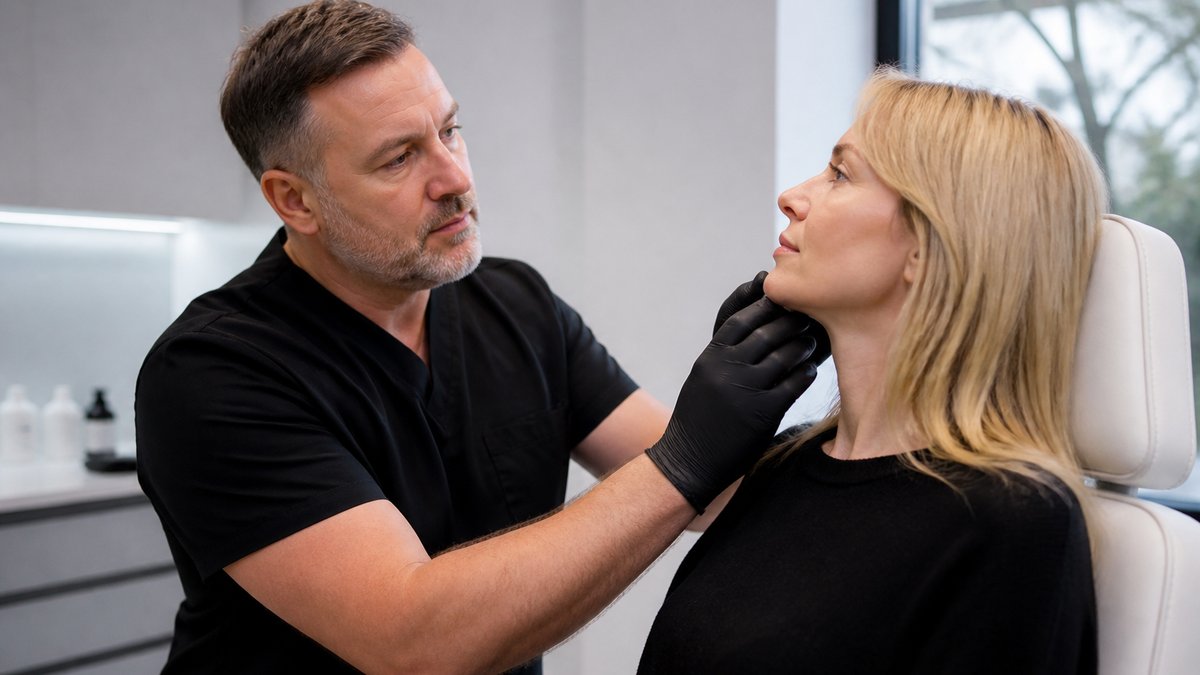
Understanding the Side Effects and Risks of Botox
Botox is an injectable medication used for both cosmetic and medical treatment. Its active component, botulinum toxin, temporarily blocks nerve signals to specific muscles. Providers use it for crow’s feet and frown lines, and they also use it for migraine headaches. Since every treatment carries some risk, you should understand possible side effects before you book an appointment. Temporary Botox Reactions Most side effects of Botox occur at or near the injection site. You may notice redness, swelling, or bruising where the needle entered the skin. These reactions are common, and they do not usually signal a problem. Applying a

How Functional Medicine Helps With Hormonal Imbalances
Hormonal imbalances can affect various bodily systems, including those that regulate metabolism and mood. Functional medicine looks beyond isolated lab values, and it examines how hormones interact with diet, sleep, and overall health. Here is more information on how functional medicine evaluates and treats hormonal imbalances: Functional Medicine Functional medicine is a patient-centered approach that identifies the underlying causes of illness rather than only managing symptoms. Practitioners examine how genetics, environment, and lifestyle factors interact over time, and they use these patterns to guide care. Conventional care models, which often treat symptoms in isolation, do not always connect them to

The Connection Between Mycotoxin Illness and Environmental Factors
Mold is a common part of the natural environment; it can grow outdoors as well as inside homes and other buildings. Some species of mold produce chemical compounds called mycotoxins. Repeated or prolonged contact with these substances has been associated with a group of health concerns often described as mycotoxin illness. The condition can affect more than one body system, and because its signs resemble those of other health problems, it is difficult to recognize without a professional evaluation. What Causes Mycotoxin Illness? Mycotoxins are naturally occurring toxic substances produced by certain molds, which are a type of fungus. Molds

The Role of PRP in Treating Osteoarthritis
Osteoarthritis is a joint condition that can affect how a person walks, works, and completes daily tasks. It develops gradually, and it often involves weight-bearing joints. People with this condition may explore a range of management options, from physical therapy and activity changes to medications and injections. Platelet-rich plasma (PRP) injections are one option that some medical providers offer as part of a broader care plan. What Is Osteoarthritis? Osteoarthritis is the most common form of arthritis, and it occurs when the cartilage that cushions the ends of bones within a joint gradually wears down. Cartilage is a smooth, firm
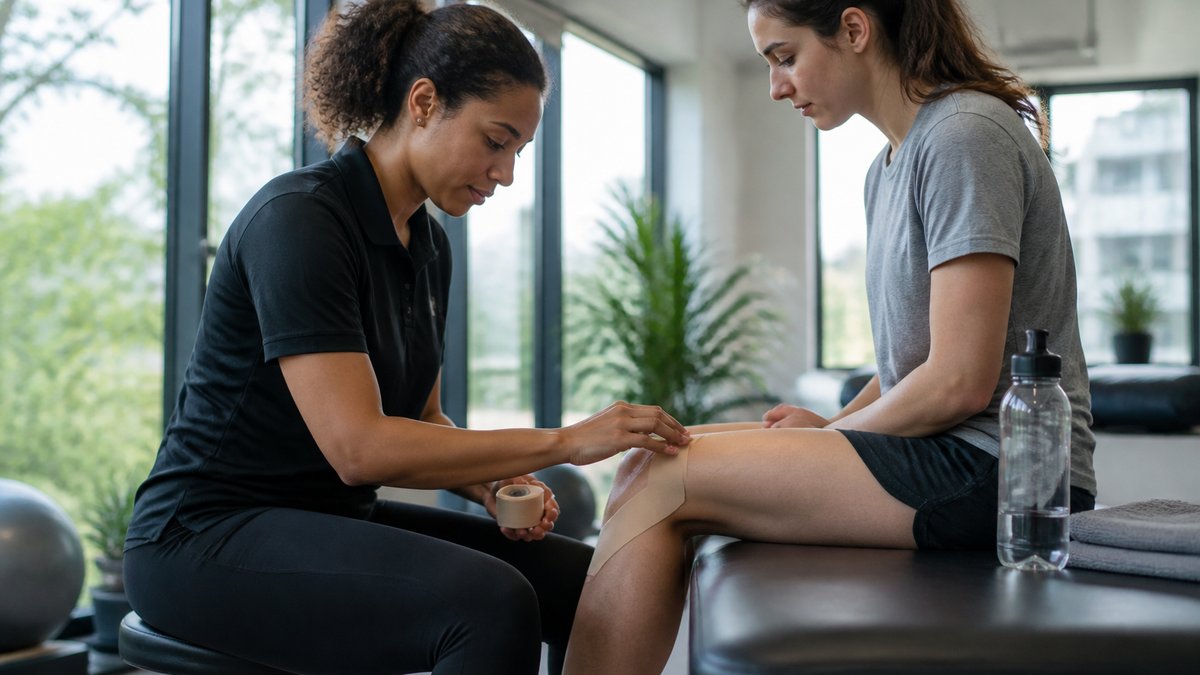
The Intersection of Sports Medicine and Injury Recovery
Sports medicine focuses on diagnosing, treating, and rehabilitating injuries that affect athletic performance and physical activity. Common injuries include ankle sprains, ligament tears, and shoulder strains, which may result from sudden movements or repetitive stress. Through physical examinations, imaging, and personalized rehabilitation plans, specialists address injuries while helping patients restore strength, mobility, and joint stability. Here is more information about the intersection of sports medicine and injury recovery: Diagnosing Sports Injuries Sports injury diagnosis typically begins with a physical examination and a review of how the injury occurred. A sports medicine physician assesses swelling, strength, and range of motion to

What Happens During a Counseling Session?
A counseling session typically opens with a check-in, moves into focused discussion of current concerns, and closes with a plan for the week ahead. Therapists draw on approaches such as cognitive-behavioral therapy, dialectical behavioral therapy, and psychodynamic therapy; they use these methods to guide the conversation. Before the session ends, the therapist recommends practical steps that the patient can apply between sessions. Here is more information on what counseling involves: What Does Counseling Involve? Counseling is a collaborative process between a patient and a licensed therapist. The therapist listens, asks questions, and helps the patient identify patterns in thinking, emotion,
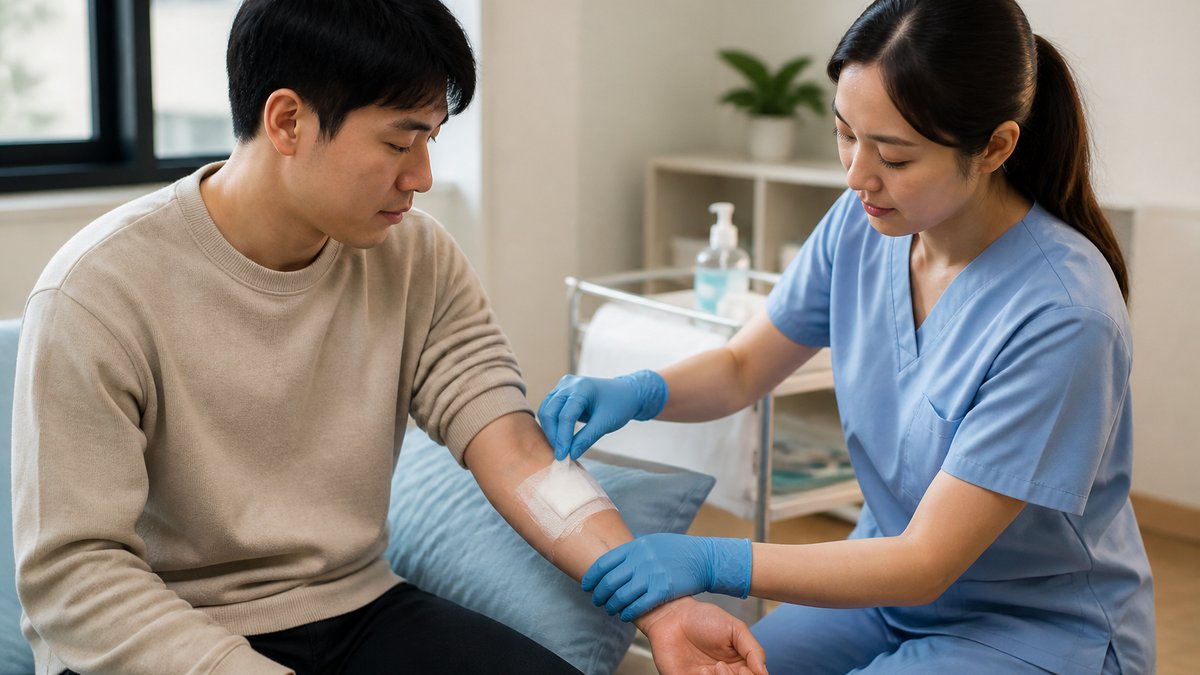
Understanding Diabetic Wound Care
Diabetes can affect the body’s healing process, causing minor cuts, blisters, and sores to develop into slow-healing wounds. Because nerve damage reduces sensation and poor circulation limits blood flow, injuries may go unnoticed and increase the risk of infection. Diabetic wound care involves evaluating wounds, removing damaged tissue when appropriate, and developing personalized treatment plans to support healing and reduce complications. Here is more information about diabetic wound care: Diabetes and Foot Wounds Diabetic neuropathy affects approximately half of people with diabetes, reducing their ability to feel pain or detect injuries. Because nerve damage limits sensation, minor cuts, blisters, or
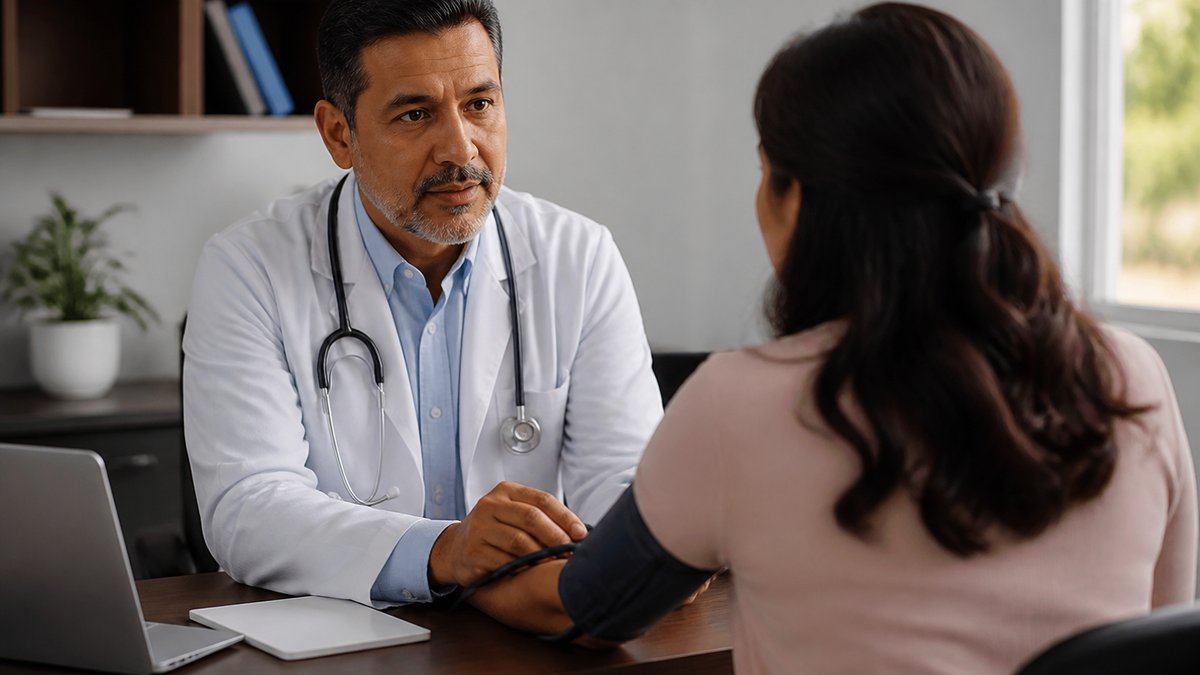
Effective Communication Techniques in Primary Care
Primary care is your main point of contact for everyday health needs. A primary care provider treats everyday illnesses, and they also manage long-term conditions like diabetes or high blood pressure. When you share clear information, your provider gets a more complete picture of your health. Here are some practical ways to communicate during each visit: Ask Specific Questions Since primary care clinic appointments are typically short, prepare your questions before the visit. Specific questions get clearer answers. Write them down, and bring the list with you. Here are a few examples to start with: Take notes during the conversation,

What Is Hormone Replacement Therapy During Menopause?
Menopause causes hormonal changes that vary among women, sometimes leading to vaginal dryness, weight gain, brain fog, and other disruptive symptoms. Hormone replacement therapy addresses these changes by supplementing declining hormone levels, while providers tailor treatment plans to individual symptoms and needs. After reviewing symptoms and hormone levels through lab testing, providers develop treatment plans that may include bioidentical hormones and ongoing adjustments. Here is more information about hormone replacement therapy during menopause: Understanding Hormone Replacement Therapy Hormone replacement therapy helps manage menopause symptoms by supplementing hormones that naturally decline with age. As hormone production decreases, women may experience physical

Why Primary Care Providers Are Key to Your Overall Well-Being
A primary care provider (PCP) manages your general health needs at every stage of life. Unlike specialists, who focus on a single body system, a PCP takes a comprehensive approach to your health. This broad perspective makes them an ideal starting point for well-coordinated, proactive care; they can help with vaccinations, health monitoring, and chronic condition management. Here are some reasons why primary care doctors are key to overall well-being: Building a Health Baseline Productive care relationships start with a health baseline, and your PCP can help establish one for effective comparison. During your first visit and at each annual