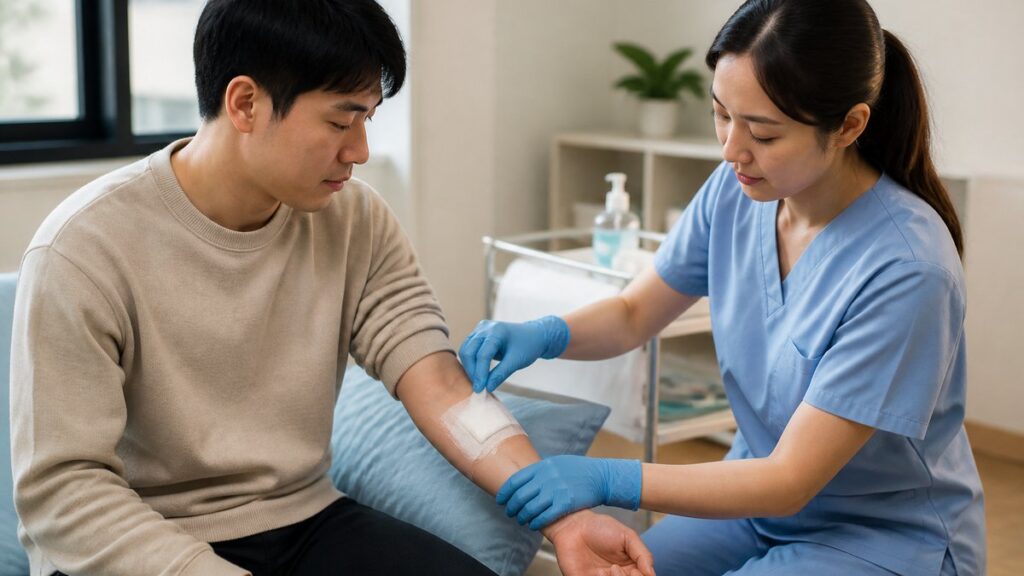
Diabetes can affect the body’s healing process, causing minor cuts, blisters, and sores to develop into slow-healing wounds. Because nerve damage reduces sensation and poor circulation limits blood flow, injuries may go unnoticed and increase the risk of infection. Diabetic wound care involves evaluating wounds, removing damaged tissue when appropriate, and developing personalized treatment plans to support healing and reduce complications. Here is more information about diabetic wound care:
Diabetes and Foot Wounds
Diabetic neuropathy affects approximately half of people with diabetes, reducing their ability to feel pain or detect injuries. Because nerve damage limits sensation, minor cuts, blisters, or pressure from footwear may go unnoticed. Without early detection, these injuries are able to develop into larger wounds that require medical attention.
Sometimes diabetes also affects circulation, limiting the delivery of oxygen and nutrients needed for wound healing. When blood flow decreases, wounds will sometimes heal more slowly, increasing the risk of infection and other complications. In severe cases, untreated wounds may lead to tissue damage or gangrene, making timely evaluation and treatment beneficial.
Risk Factors for Wounds
Diabetes-related wound risks vary among individuals, and certain health conditions increase the likelihood of developing slow-healing injuries. Because several factors affect circulation, sensation, and healing, identifying these conditions helps guide preventive care. Common risk factors include:
- Having uncontrolled blood sugar levels
- Experiencing poor blood circulation
- Developing diabetic neuropathy
- Having a weakened immune system
- Living with vascular disease
- Experiencing nutritional deficiencies
Sometimes limited mobility also increases wound risks, particularly among individuals who use wheelchairs or remain in bed for extended periods. Prolonged pressure on the skin can restrict blood flow, increasing the likelihood of pressure injuries and delayed healing.
Types of Problem Wounds
Diabetic foot ulcers are common wounds that develop from pressure, friction, or minor injuries during everyday activities. Ill-fitting shoes, trapped debris, and prolonged walking can irritate the skin and contribute to wound formation. Because diabetic neuropathy reduces sensation, individuals may not notice these injuries until the skin becomes damaged.
Minor foot problems may also develop into more serious wounds when diabetes affects circulation and healing. Blisters, corns, and ingrown toenails can cause skin damage, particularly when blood flow is reduced. Without appropriate care, these conditions may increase the risk of infection and other complications.
Daily foot inspections help individuals with diabetes identify skin changes, injuries, or developing wounds before they worsen. Checking for redness, swelling, blisters, and open sores provides information about potential foot health concerns. When wounds appear, or healing becomes delayed, a podiatrist can evaluate the affected area and recommend appropriate treatment.
Steps in Wound Care
Wound care typically begins with an evaluation of the affected area, its possible causes, and the patient’s medical history. Providers are able to recommend wound cultures or biopsies when further testing is needed to identify infections or evaluate tissue abnormalities. Depending on the wound’s condition, treatment will sometimes involve debridement to remove damaged tissue, protective dressings, or medications to address infections. Because pressure and foot mechanics contribute to recurring wounds, providers may recommend custom orthotics to address underlying problems.
Schedule a Wound Evaluation Today
Diabetic wounds may heal slowly, and delayed treatment increases the risk of infection and other complications. Daily foot inspections help identify changes, while persistent wounds, discoloration, or unusual drainage may indicate a need for medical attention. Because wound severity and healing needs vary, podiatry providers evaluate affected areas and develop personalized treatment plans. Schedule a wound care evaluation today to discuss your symptoms and explore appropriate treatment options.