

Exploring Telemedicine’s Role in Women’s Health Services
Telemedicine allows patients to connect with licensed providers from home, and providers review symptoms, history, and test results remotely. Since many women’s health needs involve routine follow-ups, telemedicine fits into a range of care plans. Here is more information on how virtual care works for women’s health services: Providing Virtual Appointments A virtual appointment follows a format similar to an office visit, and it is typically quick. When the visit starts, your provider asks about symptoms, medications, and recent changes in your health. You answer questions through video or phone. If you need birth control counseling, a telemedicine visit covers

Navigating Anxiety in Social Situations
Social events can trigger physical and mental symptoms of anxiety. You might notice a racing heartbeat, or you will struggle to find words. Some people avoid gatherings, and others attend but leave early. When you understand your triggers, you can plan. Preparation Steps Before Attending Preparation can reduce anxiety, so start by learning basic details about the event. Find out who will attend, and check how long the event will last. If you know the setting, you will picture the space and plan where to sit. Arriving early lets you adjust before the room fills. Think about your energy level

What To Expect From Your OBGYN During Routine Checkups
When you visit an OBGYN, you see a doctor who specializes in reproductive and gynecologic health. OBGYNs treat patients from the teen years through menopause and beyond; some visits focus on pregnancy, but many focus on preventive care. Here is more information on the standard steps of a routine checkup: Updated Weight and Height Many OBGYN checkups start with a few basic measurements. A medical provider records your weight, and they may also measure your height. These numbers help your doctor calculate your body mass index, which gives a general view of your health. Weight shifts over time, and your

The Benefits of Orthopedic Care in Maintaining Mobility
Limited mobility can affect how you work, rest, and handle daily tasks. Pain will develop slowly, or it can follow a sudden injury. When pain lasts for months, people often move less. Orthopedic care focuses on the spine, joints, and muscles that support movement. Identifying the Source of Pain Effective treatment starts with an accurate diagnosis, so an orthopedic specialist reviews your symptoms, medical history, and daily activity level. Because symptoms vary, your specialist will perform a physical exam and test your strength and reflexes. Back pain will come from the spine itself, or it may start in nearby muscles.

Rehabilitation Strategies for Overcoming Sports Injuries
Sports injuries range from mild sprains to chronic joint and back pain, and while some heal with rest, others need targeted medical care. When pain lingers for weeks, a provider may recommend a structured rehabilitation plan. Here are several treatment options for athletes and active adults who get a sports injury: Various Injections Since injections deliver medicine directly to the source of pain, they play a role in sports injury care. Your provider chooses the injection type based on your diagnosis. Each option targets a different tissue, and each carries its own set of risks. There are several types of
A Comprehensive Guide to Hip Pain Diagnosis and Treatment
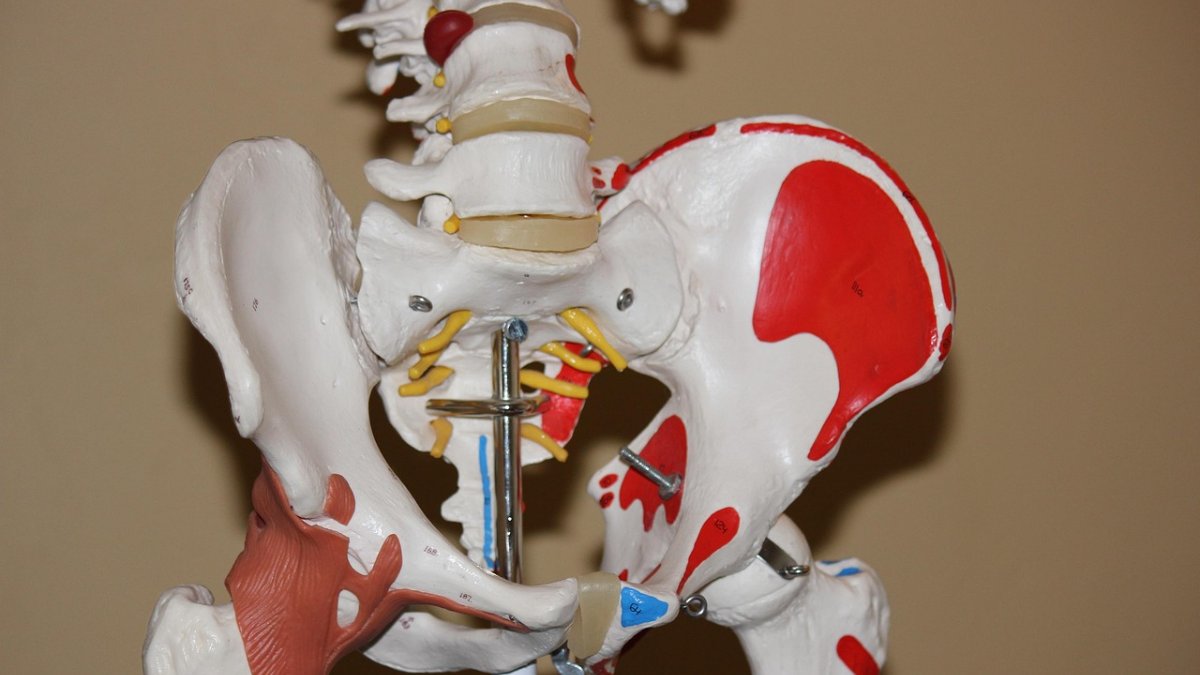
The hip is one of the largest weight-bearing joints in the body. The hip handles a lot of activity, so it can develop problems gradually over time or suddenly after an injury. Learning about diagnostic methods to identify the cause of hip pain, as well as available treatment approaches, may help people make informed decisions about their care. What Causes Hip Pain? Hip pain often results from conditions affecting the bones, cartilage, tendons, or surrounding soft tissues. The smooth cartilage covering the ends of the bones in the hip joint can gradually wear down with age. As this protective layer

What Conditions Are Treated With Speech Therapy?
Speech therapy evaluates and addresses difficulties with speech, voice, language, and communication. A licensed speech-language pathologist (SLP) works with patients of all ages, from toddlers learning to talk to adults recovering from a stroke or brain injury. Each therapy plan is based on an individual assessment and may include exercises, structured practice, and strategies for daily communication. For children, speech therapy supports academic progress and social development; for adults, it helps maintain independence at work and at home. Here’s information on what speech and language conditions can benefit from speech therapy: Speech and Voice Disorders Speech disorders affect how a

What Happens During an ADHD Screening?
Attention-deficit/hyperactivity disorder (ADHD) affects attention, impulse control, and activity levels. Because many of these behaviors also occur in typically developing children, pediatricians rely on structured tools to evaluate them. ADHD symptoms often appear in early childhood and can affect learning, social relationships, and daily routines. Developmental screenings are one tool pediatricians use; these screenings measure a child’s skills against age-based milestones. Here’s more information on pediatric developmental screenings and how they help ADHD assessments: Testing Gross and Fine Motor Skills A pediatric ADHD assessment is a thorough process that aims to understand a child’s behavior, challenges, and strengths in various

Treatment Options for Managing Chronic Spine Pain
Chronic spine pain is discomfort in the neck, mid-back, or lower back that lasts several months. Because the spine supports your body and protects the spinal cord and nerve roots, pain in this area may affect how you move throughout the day. Treatment usually starts with conservative methods, and it moves to more involved options when symptoms persist. Here are some treatment options for managing chronic spine pain: Physical Therapy Physical therapy is often the first treatment doctors recommend for chronic spine pain. During your first visit, a physical therapist evaluates your posture, flexibility, strength, and movement patterns. They then

Benefits of a Personalized Vascular Erectile Dysfunction Treatment Plan
Vascular erectile dysfunction (ED) occurs when blood flow to the penis is restricted by narrowed arteries or leaking veins. A personalized vascular ED treatment plan accounts for each patient’s specific cause, severity, and underlying cardiovascular health, and it targets the actual source of the problem. Because this approach helps improve treatment accuracy, it may reduce unnecessary procedures. Here is more information on the benefits of a personalized vascular ED treatment plan: How Is Vascular Erectile Dysfunction Treated? Vascular erectile dysfunction treatment depends on whether the problem involves arteries, veins, or both. Arteriogenic ED happens when arteries narrow and restrict blood