

Understanding PTSD Symptoms and Their Impact on Daily Life
Post-traumatic stress disorder (PTSD) is a mental health condition that develops in some people after they experience or witness a traumatic event. Serious accidents, natural disasters, combat, and assault serve as common examples, though not every person who goes through trauma develops PTSD. Symptoms vary widely, and their effects reach into nearly every area of daily life. Here’s information about several symptoms and their impact on daily life: Recognizing Intrusion Symptoms With PTSD, intrusion involves unwanted memories of the traumatic event that surface without warning. These recollections sometimes appear during routine tasks; a person driving to work or preparing a

How Sports Physicals Can Prevent Injuries in Young Athletes
Before a new season starts, many schools and leagues require a sports physical for each student-athlete. This exam reviews your child’s health history, current fitness, and readiness for physical activity. A provider checks the heart, lungs, joints, and posture, and the visit is typically quick. This is how sports physicals can help prevent injuries in young athletes: Evaluating Vision and Hearing Athletes track fast-moving balls and teammates, and they listen for whistles and calls from coaches. Poor vision or hearing may affect reaction time on the field. Since these senses guide quick decisions, the provider screens both during the physical.

Seasonal Allergies and Their Impact on Productivity
Seasonal allergies affect many adults and children every year, and symptoms often slow your focus and output at work or school. Your immune system reacts to airborne particles like pollen, and it releases chemicals such as histamine. When these chemicals build up, they trigger sneezing, congestion, and fatigue. Here is more information on seasonal allergies and their impact on productivity: Seasonal Allergens Different plants release pollen at different times of the year. If you notice symptoms in the same months each year, a specific allergen is likely the cause. Trees pollinate in early spring, and grasses follow in late spring

The Link Between Depression and Physical Health
Depression causes more than low mood; it disrupts sleep, appetite, and energy levels. When inflammation increases and motivation declines, recovery after neurosurgery may take longer. Patients who recognize symptoms early and seek treatment, including options such as TMS therapy, support both mental and physical healing. Here is more information on the link between depression and physical health: What Symptoms Does Depression Cause? Depression produces a cluster of symptoms that extend beyond sadness. Patients may report persistent fatigue, trouble concentrating, and a loss of interest in activities they once enjoyed. Sleep patterns shift as well; some patients sleep more than usual

Chronic Pain and Its Effects on Sleep Quality
Chronic pain can disrupt sleep. It may trigger frequent nighttime awakenings and reduce deep sleep stages, creating a cycle in which pain worsens sleep and poor sleep intensifies pain. Management options range from physical therapies, such as dry needling and acupuncture, to medical interventions, such as ozone therapy. Pain and sleep influence each other, so addressing both together is beneficial. Here is more information on chronic pain and its effects on sleep quality: What Are Chronic Pain Symptoms? Chronic pain is defined as pain that lasts longer than three months and persists beyond normal healing time. Symptoms vary by underlying

Understanding the Types and Benefits of Pain Injections
Pain injections deliver medication directly to a targeted site in the body, such as a joint, the spine, or a nerve cluster. Healthcare providers use them as one component of a broader treatment plan, which may also include oral medication or activity modifications. Each injection type uses a distinct substance, and they serve a specific clinical purpose, such as reducing inflammation. Here’s information about several types of pain injections and their benefits: Corticosteroid Injections Corticosteroids are synthetic versions of hormones the body produces naturally, and providers use them for their anti-inflammatory properties. Unlike oral steroids, which travel through the entire

Tips for Finding a Specialist Neurologist
Neurologists diagnose and treat disorders of the brain, spinal cord, and nerves. When symptoms like numbness, tremors, or frequent headaches persist, a primary doctor may suggest a neurology visit. Some neurologists treat a broad range of conditions, but others focus on one area. Here are some practical steps for finding the right fit: Identify Individual Neurologist Needs Start with your symptoms, and write down how they affect your daily routine. A clear symptom record gives a neurologist useful context. If symptoms change over time, note the dates and any possible triggers. Track these details before you start your search: Look

Tips for Living with Congestive Heart Failure
Congestive heart failure is a long-term condition in which the heart muscle does not pump blood as well as the body needs. When pumping weakens, fluid may collect in the lungs, legs, ankles, and abdomen; this leads to symptoms such as shortness of breath and fatigue. Cardiologists review your symptoms and overall health to recommend targeted treatment options. Here are some tips for living with congestive heart failure: Adjust Lifestyle Making small, consistent changes to daily routines can improve quality of life and help manage heart failure symptoms effectively. Adjusting sodium intake is a common recommendation. Salt makes the body hold
Understanding the Risks Associated With Cardiovascular Disease
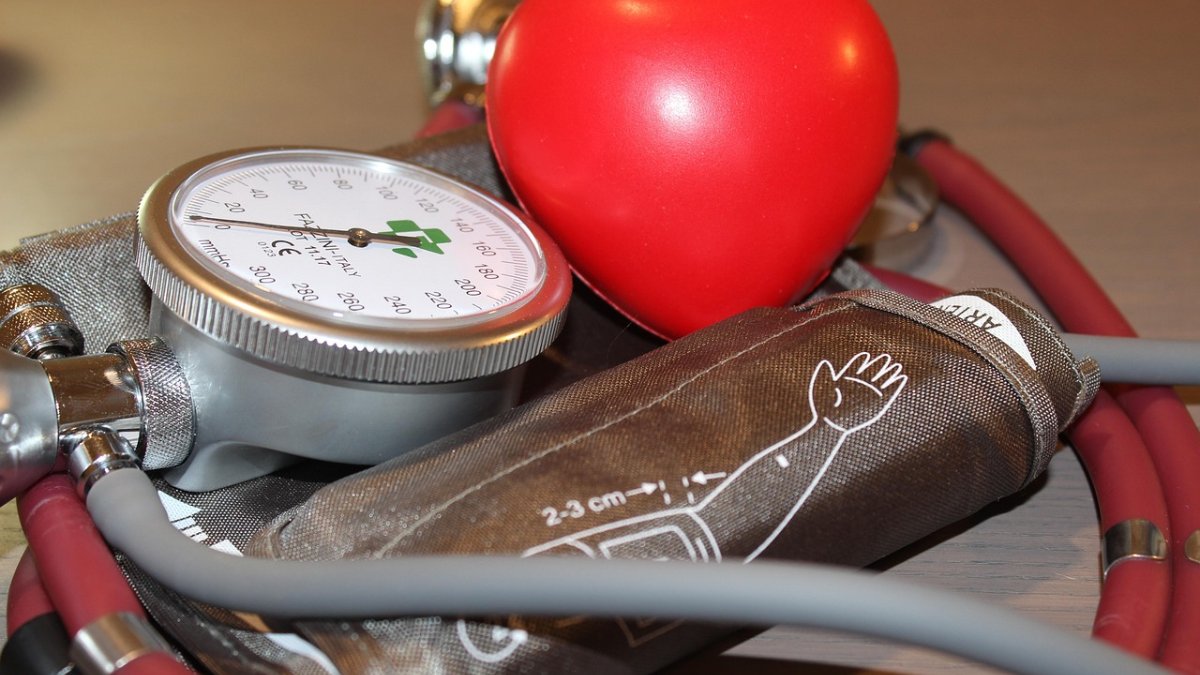
Cardiovascular disease affects the heart and blood vessels. A cardiologist diagnoses and treats these conditions, and many patients see one after a referral from a primary care doctor. When you understand your personal risk factors, you have more informed conversations with your care team. Here are some major risk factors and how they lead to cardiovascular disease: High Cholesterol Cholesterol travels through your blood in particles, and doctors measure two main types. LDL cholesterol builds up as plaque inside artery walls. HDL removes excess cholesterol, which is why doctors call it the “good” type. A standard lipid panel reports four

Recognizing Chronic Hives and When to Seek Professional Help
Hives are a common skin reaction that can be experienced by anyone. The welts appear suddenly and fade within a few hours or days. Persistent welts or rashes that don’t fade, known as chronic hives, can disrupt sleep, affect concentration, and lower overall quality of life. Learn about recognizing chronic hives and when to seek professional help. Chronic Hives Hives, also called urticaria, are raised, itchy welts on the surface of the skin. They may appear red or skin-colored and can range in size from small dots to large patches. Individual welts often change shape, move to different areas of