Cardiovascular disease affects the heart and blood vessels. A cardiologist diagnoses and treats these conditions, and many patients see one after a referral from a primary care doctor. When you understand your personal risk factors, you have more informed conversations with your care team. Here are some major risk factors and how they lead to cardiovascular disease:
High Cholesterol
Cholesterol travels through your blood in particles, and doctors measure two main types. LDL cholesterol builds up as plaque inside artery walls. HDL removes excess cholesterol, which is why doctors call it the “good” type. A standard lipid panel reports four numbers:
- LDL cholesterol: Lower numbers mean less plaque buildup.
- HDL cholesterol: Higher numbers offer more protection.
- Triglycerides: This blood fat rises with excess sugar and alcohol.
- Total cholesterol: This combines all types into one figure.
Most adults need a lipid panel every several years. Some people inherit high cholesterol, and diet changes alone may not lower it. If your numbers stay high, your doctor may prescribe a statin or another medication.
High Blood Pressure
Blood pressure measures the force of blood against your artery walls, and high readings strain the heart over time. When your pressure stays at a high rate, doctors classify it as high blood pressure. This condition typically causes no symptoms. Many people first learn about it during a routine checkup.
Since the heart works harder against stiff or narrowed arteries, the heart muscle may thicken. A thickened heart pumps blood less efficiently. High blood pressure also damages artery linings, and this damage raises the risk of heart attack and stroke.
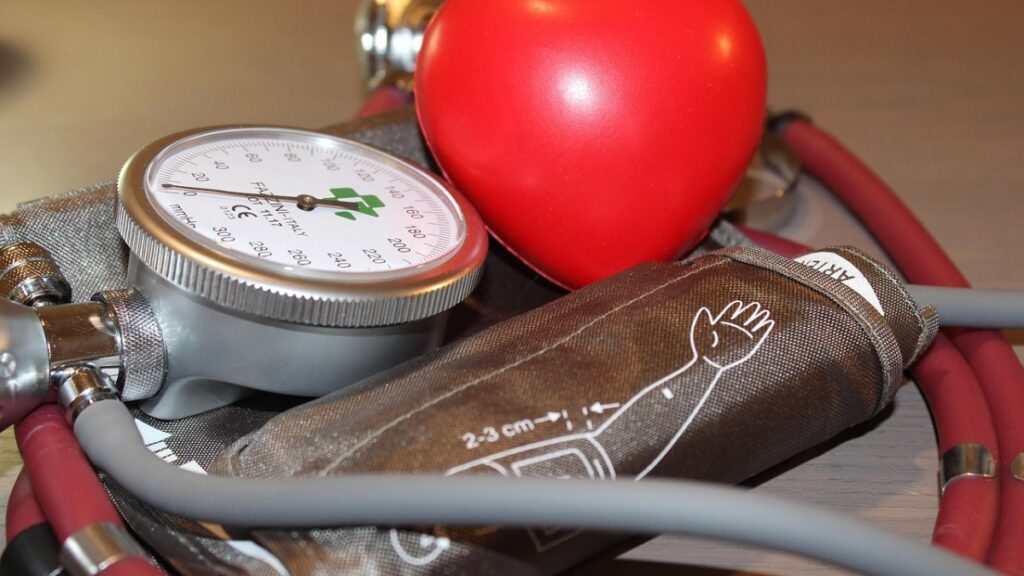
Home blood pressure monitors give you useful data between visits. If you track your numbers, bring the log to your next appointment. A cardiologist may adjust your medication, or they may suggest changes to your sodium intake and exercise.
Diabetic Issues
When blood sugar stays high, it damages blood vessels and the nerves that control the heart. Adults with diabetes face a high risk of heart disease, and they often develop it at younger ages. Type 2 diabetes can also appear alongside high blood pressure and obesity.
Your A1C test reflects your average blood sugar over about three months. While many people manage diabetes with a primary care doctor, a cardiologist adds a focused view of heart health. The two doctors may share test results, and you get one coordinated plan.
Unhealthy Behaviors
Since smoking damages the lining of your arteries, it speeds up plaque buildup. It may also lower HDL cholesterol and raise blood pressure. Excess body weight adds strain to the heart, and it leads to diabetes and high cholesterol. Several daily habits shape your overall risk.
- Smoking or vaping nicotine
- Carrying extra weight, especially around the waist
- Sitting for long periods with little exercise
- Eating foods high in sodium, sugar, and saturated fat
- Drinking alcohol in excess
Visit a Cardiologist Near You
Risk factors can overlap and build on one another. When you have more than one risk factor, a cardiologist looks at how they combine. Your first visit may include an EKG or blood work, and your cardiologist will review your family history. Contact a cardiology office near you to schedule an evaluation.