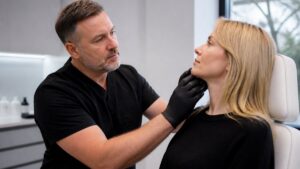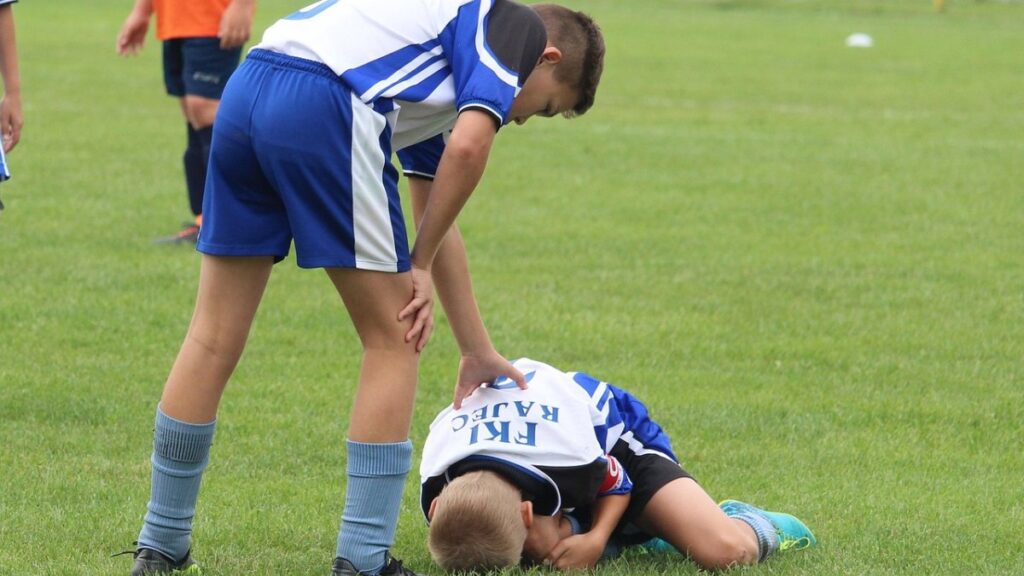
Before a new season starts, many schools and leagues require a sports physical for each student-athlete. This exam reviews your child’s health history, current fitness, and readiness for physical activity. A provider checks the heart, lungs, joints, and posture, and the visit is typically quick. This is how sports physicals can help prevent injuries in young athletes:
Evaluating Vision and Hearing
Athletes track fast-moving balls and teammates, and they listen for whistles and calls from coaches. Poor vision or hearing may affect reaction time on the field. Since these senses guide quick decisions, the provider screens both during the physical. A screening at sports physicals typically includes these steps:
- An eye chart test for distance vision
- A check of depth perception and eye alignment
- A basic hearing screen in each ear
- A review of glasses, contacts, or protective eyewear
Many children don’t notice gradual changes in their vision. A student may squint at the scoreboard, or they may miss a pass from the side. If a screen shows a problem, the provider refers the athlete to an eye doctor or hearing specialist.
Detecting Health Issues
A sports physical starts with a detailed medical history. The provider asks about past injuries, surgeries, and illnesses, and parents share any family history of heart problems. As some heart conditions run in families and show few warning signs, these visits matter.
The provider then listens to the heart and lungs, and a nurse records blood pressure and pulse. If the provider hears a murmur or irregular rhythm, they may recommend an EKG or a specialist visit. Early follow-up gives families time to address concerns before tryouts.
When the provider examines the joints and spine, they look for weakness, limited motion, or uneven posture. Old sprains and untreated strains can lead to repeat injuries. Some issues need only simple exercises, but others call for a referral to physical therapy.
Updating Vaccines
While athletes share locker rooms, water bottles, and equipment, germs spread quickly between teammates. The provider reviews your child’s immunization record, and they note any missing or overdue shots. Updates for preteens and teens might include the Tdap booster and the meningococcal vaccine.
Tetanus bacteria enter the body through cuts and scrapes, and young athletes get plenty of both. If your child needs a shot, the clinic may give it during the same visit. States may require certain vaccines for school sports. Bring vaccination records to the appointment to save time.
Tailoring Guidance
Every sport places different demands on the body. After the provider finishes the exam, they offer advice based on your child’s sport and history. A swimmer needs different tips than a linebacker, and runners face their own risks. Guidance often covers these topics:
- Warm-up and stretching routines
- Hydration and heat safety
- Nutrition and sleep habits
- Protective gear and proper fit
- Safe return after a past injury
Parents may ask questions during the visit, and athletes may share concerns about pain or fatigue. Written notes help families remember the advice at home. When restrictions apply, the clearance form lists them clearly for coaches.
Schedule Sports Physicals Today
Many families book sports physicals in late summer. Since demand rises before fall tryouts, an early visit leaves time for any follow-up care. Bring your child’s medical history, vaccine records, glasses, and ask for any school forms before you go to the visit.