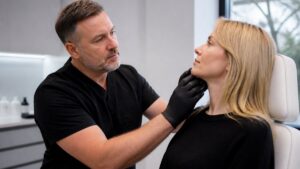
A primary care provider (PCP) manages your general health needs at every stage of life. Unlike specialists, who focus on a single body system, a PCP takes a comprehensive approach to your health. This broad perspective makes them an ideal starting point for well-coordinated, proactive care; they can help with vaccinations, health monitoring, and chronic condition management. Here are some reasons why primary care doctors are key to overall well-being:
Building a Health Baseline
Productive care relationships start with a health baseline, and your PCP can help establish one for effective comparison. During your first visit and at each annual checkup, your provider records key health signs and reviews your personal and family history. They also note your current medications, allergies, and lifestyle habits. Because this record provides a reference point, your provider can track changes in your health over time.
A health baseline adds precision to each conversation you have with your care team. When lab results shift or new symptoms appear, your PCP compares the latest findings with your established record; this helps guide more informed decisions. Bring a current list of medications and supplements to each visit. If you receive care elsewhere, ask the outside facility, such as an urgent care center or hospital, to send your records to your primary care office so your file stays complete.
Managing Chronic Conditions
For people living with chronic conditions such as high blood pressure, diabetes, or heart disease, a PCP serves as the central coordinator of ongoing care. Your provider monitors key markers at regular intervals, and they adjust your care plan as your health changes. Consistent oversight across all involved providers can reduce the risk of conflicting instructions. Chronic condition management also includes guidance on what to track between appointments. Your PCP may recommend home monitoring, dietary adjustments, or lifestyle changes that support your overall plan.
Scheduling Screenings and Vaccinations
Preventive screenings and vaccinations are practical tools in primary care, and your PCP tailors both schedules to your specific profile. They may base their recommendations on your age, sex, personal history, and family health background. Screenings include:
- Blood pressure and cholesterol checks
- Blood sugar tests for diabetes risk
- Age-appropriate cancer screenings
- Bone density evaluations
- Immunization reviews and updates
Vaccination schedules apply throughout adulthood, not only in childhood. Your PCP reviews your immunization history and recommends any vaccines that are overdue or newly indicated for your age group. Ask your provider for a printed schedule at each visit; you can also keep a copy at home and add upcoming due dates to your calendar so you don’t miss anything. Staying current on both screenings and vaccinations gives your provider the data needed to catch potential issues early.
Find a Primary Care Provider
Primary care providers build health baselines that track your progress over time. They coordinate chronic condition management across your care team, and they keep your screenings and vaccinations on schedule. As your consistent point of contact, a PCP gives you a structured, proactive approach to your health at every stage of life. If you don’t have a primary care provider yet, find a reliable medical center and book an introductory appointment to establish your baseline.