In today’s modern world, digital devices such as smartphones, tablets, laptops, and televisions are part of everyday life. Children use these devices for studying, playing games, watching videos, and communicating with friends. While technology brings many benefits, too much screen time can affect children’s eyesight and overall eye health. Many parents are now worried about how digital screens may harm their kids’ eyes.
Children’s eyes are still developing, which means they can be more sensitive to digital screens than adults. Long hours in front of screens can lead to eye strain, dryness, headaches, blurred vision, and even sleeping problems. Because of this, it is important for parents to take steps to protect their children’s eyesight while still allowing them to enjoy the benefits of technology.
This article explains the best and simplest ways parents can protect their kids’ eyes from the harmful effects of digital devices.
Why Digital Devices Can Affect Kids’ Eyes
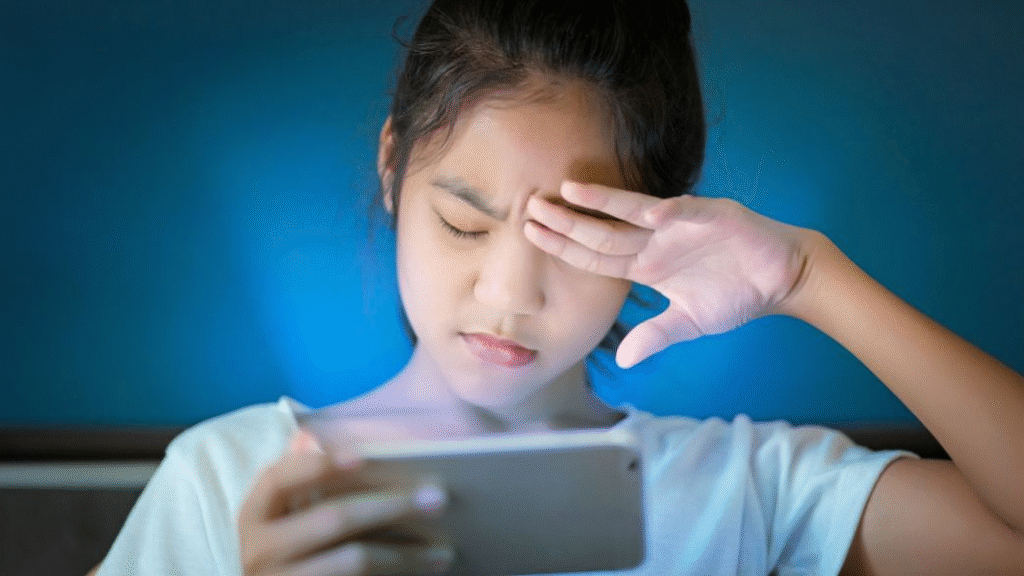
Before discussing solutions, it is helpful to understand why screens can cause eye problems. When children stare at digital screens for long periods, their eyes work harder to focus. They also blink less often while looking at screens, which can cause dry eyes.
Digital screens also produce blue light. Blue light is a type of light that can affect sleep patterns and may cause eye discomfort after long exposure. Although research is still ongoing, experts recommend limiting screen exposure for children to reduce possible risks.
Another reason is that children often hold devices too close to their eyes or use them in poor lighting conditions. These habits can increase pressure on the eyes and lead to vision problems over time.
Limit Screen Time
One of the most effective ways to protect kids’ eyesight is by limiting how much time they spend using digital devices. Children do not need to avoid screens completely, but they should use them in moderation.
Health experts recommend that young children spend less time on screens and more time doing physical activities, reading books, or playing outdoors. Parents can create a daily schedule that balances screen use with other healthy activities.
For example, you can allow children to use digital devices for educational purposes for a limited time and then encourage them to take breaks. Setting clear rules about screen time helps children develop healthier habits.
Follow the 20-20-20 Rule
A simple but powerful technique to reduce eye strain is the 20-20-20 rule. This rule means that every 20 minutes, children should look away from the screen and focus on something 20 feet away for at least 20 seconds.
This small break allows the eye muscles to relax and reduces the pressure caused by constant focusing on screens. Parents can remind children to take these breaks while studying or playing games.
Teachers can also encourage this habit in classrooms where computers or tablets are used for learning.
Keep the Right Distance from Screens
Many children hold smartphones or tablets very close to their faces. This habit forces the eyes to work harder and may cause eye strain.
Experts suggest that screens should be kept at least an arm’s length away from the eyes. For computers, the screen should be about 20–24 inches from the face.
Parents should also make sure the screen is slightly below eye level. This position helps reduce stress on the eyes and neck.
Teaching children the correct distance from an early age can help protect their eyesight in the long term.
Encourage Outdoor Activities
Spending time outdoors is one of the best ways to support healthy vision in children. Natural light and looking at distant objects help relax the eye muscles.
Studies show that children who spend more time outside have a lower risk of developing vision problems such as nearsightedness. Outdoor play also improves physical health and reduces screen dependency.
Parents should encourage children to play outside, ride bikes, participate in sports, or simply enjoy nature. Even one to two hours of outdoor activity each day can make a big difference for eye health.
Adjust Screen Brightness and Lighting
Using digital devices in a dark room can increase eye strain. The screen brightness may become too strong compared to the surrounding environment, making it harder for the eyes to adjust.
Parents should ensure that children use screens in a well-lit room. The brightness of the screen should match the lighting in the room so that the eyes feel comfortable.
Most devices also allow users to activate night mode or blue light filters. These settings reduce blue light exposure and make screens easier on the eyes, especially during evening hours.
Encourage Regular Blinking
Many children forget to blink while focusing on games or videos. Blinking is important because it keeps the eyes moist and prevents dryness.
Parents can remind children to blink more often while using screens. Taking short breaks and looking away from the screen naturally encourages blinking.
If a child often complains about dry or itchy eyes, it may be a sign they are spending too much time on screens without blinking enough.
Schedule Regular Eye Checkups
Regular eye examinations are important for children, especially if they frequently use digital devices. Eye doctors can detect early signs of vision problems and recommend solutions.
Sometimes children may not realize they have blurry vision or eye strain. A professional eye checkup ensures that any problems are discovered early.
Parents should schedule eye exams at least once a year or as recommended by a healthcare professional.
Set a Good Example
Children often copy the habits of adults around them. If parents spend a lot of time on their phones or laptops, children may think this behavior is normal.
Parents can set a positive example by limiting their own screen time and showing healthy digital habits. Family activities such as board games, reading books, or outdoor trips can replace some screen-based entertainment.
Creating a balanced lifestyle at home helps children learn that technology should be used wisely.
Create Screen-Free Zones and Times
Another helpful strategy is to create areas in the home where digital devices are not allowed. For example, parents can make the dining table or bedrooms screen-free zones.
Screen-free times are also useful. Many experts recommend avoiding screens at least one hour before bedtime because blue light can interfere with sleep.
These simple rules help reduce total screen exposure and protect children’s eyes while also improving family interactions.
Teach Children About Eye Health
Children should understand why protecting their eyesight is important. Parents can explain in simple terms how screens can make eyes tired and why breaks are necessary.
When children understand the reasons behind these rules, they are more likely to follow them. Teaching kids healthy habits early will help them care for their eyes as they grow older.
Conclusion
Digital devices are now a major part of children’s lives, but excessive screen use can harm their eyesight if not managed carefully. Parents play a key role in helping children develop healthy screen habits.
By limiting screen time, encouraging outdoor play, following the 20-20-20 rule, adjusting screen settings, and scheduling regular eye checkups, families can greatly reduce the risk of digital eye strain. Small daily habits can make a big difference in protecting kids’ vision.
Technology should support children’s learning and creativity, not harm their health. With the right balance and guidance, children can enjoy digital devices while keeping their eyes safe and healthy for the future.
Frequently Asked Questions (FAQs)
1. How much screen time is safe for children?
Experts generally recommend limiting recreational screen time to about 1–2 hours per day for school-age children. Younger children should have even less screen exposure.
2. Can digital screens permanently damage kids’ eyes?
Digital screens usually do not cause permanent eye damage, but excessive use can lead to eye strain, dryness, headaches, and temporary blurred vision.
3. What is the 20-20-20 rule for eye health?
The 20-20-20 rule means that every 20 minutes, children should look at something 20 feet away for 20 seconds to relax their eyes.
4. Do blue light filters help protect children’s eyes?
Blue light filters or night mode settings can reduce eye strain and may help improve sleep by lowering blue light exposure, especially at night.
5. When should a child see an eye doctor?
Children should have regular eye exams at least once a year or whenever they complain of headaches, blurred vision, eye pain, or difficulty seeing clearly.