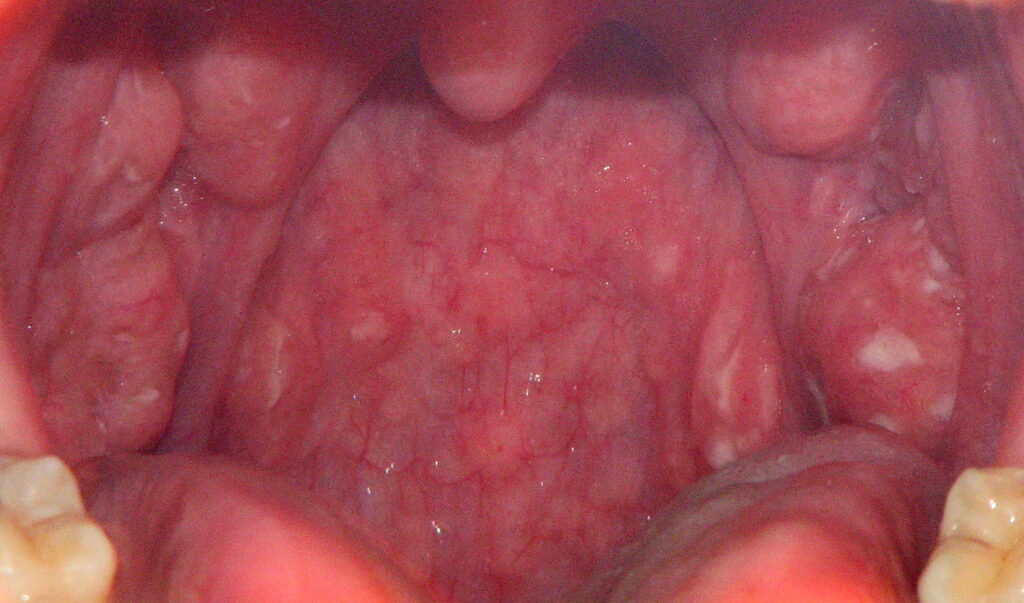
Strep throat is an infection caused by group A Streptococcus bacteria; this bacterium spreads through respiratory droplets released when an infected person coughs, sneezes, or talks. Contact with contaminated surfaces or shared utensils can also spread this infection. Strep throat affects people of any age, but it is especially common in children ages five to 15. A healthcare provider typically treats strep throat with antibiotics after a test confirms the infection. Rest, fluids, and over-the-counter pain relievers may also help ease discomfort during recovery. Here’s more information on strep throat symptoms to help you know when to visit a doctor:
Having Swallowing Difficulties
Throat pain that begins suddenly is one of the most common signs of strep throat, often making swallowing uncomfortable. Many people experience a scratchy or raw sensation that becomes sharper with each swallow. A sore throat alone does not always point to a strep infection. Viruses, like colds, cause most sore throats, and these infections often come with a cough, runny nose, or hoarse voice. Strep throat usually does not include these cold-like symptoms.
Swollen lymph nodes in the neck can help distinguish strep from other causes of throat pain. Lymph nodes are small glands that filter harmful substances as part of the immune system. When the body responds to a bacterial infection, the nodes along the front of the neck may enlarge and become tender. A sore throat with swollen, painful neck lymph nodes may indicate strep throat, especially when it presents without a cough.
Having Swollen Tonsils
The tonsils are two oval-shaped pads of tissue at the back of the throat that help trap germs entering through the mouth and nose. Strep bacteria can infect this tissue directly, which causes the tonsils to appear bright red and visibly enlarged. Swollen tonsils then worsen throat pain and swallowing difficulties. As the infection progresses, white patches or streaks of pus may develop on the tonsils. Pus is made up of white blood cells and fluid that build up as the immune system responds to bacterial or viral infections. As a result of spreading infection, this illness can also cause symptoms like:
- Bad Breath
- Tiny Red Spots on the Roof of the Mouth
- Nausea/Vomiting
- Chills
Having a High Fever
A fever often appears early in strep infections, sometimes alongside chills, headache, or body aches. Children also often experience nausea or stomach pain. A temperature of 101°F (38.3°C) or higher is common with this infection. When a sore throat accompanies a high fever, contact a primary or urgent care provider promptly. Difficulty breathing, trouble swallowing liquids, or drooling may require immediate medical attention. A medical provider can assess these symptoms and recommend appropriate next steps.
Determine if You Have Strep Throat
Symptoms alone cannot confirm you have strep; a medical test is needed to determine whether bacteria are causing the infection. Urgent care centers are a convenient testing option and often offer walk-in appointments with extended evening and weekend hours. If your throat pain lasts longer than 48 hours, contact a doctor to schedule a sick visit. During a visit, a provider examines your throat, tonsils, and neck. A rapid strep test uses a swab from the back of the throat and can produce results within minutes, helping you get the appropriate treatment.