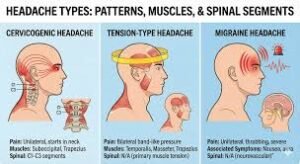

Pain management often involves more than addressing symptoms alone. A comprehensive approach may include a range of supportive strategies that take into account physical comfort, emotional well-being, and daily functioning. Holistic methods can play a significant role in helping individuals manage discomfort while improving overall well-being. Here is a closer look at holistic approaches to pain management:
Building Pain Management Foundations
Daily habits serve as fundamental building blocks for physical health. A balanced routine stabilizes the body, and it reduces systemic inflammation over time. Here are some daily habits to incorporate as part of pain management:
- Anti-inflammatory nutrition: Certain foods reduce tissue swelling and promote cellular healing. A diet rich in vegetables provides key nutrients that support optimal physical function.
- Consistent physical activity: Movement keeps muscles flexible and prevents joint deterioration. Low-impact exercises strengthen the physical frame while avoiding placing excess stress on damaged areas.
- Quality sleep hygiene: Rest allows the body to repair damaged tissues. A strict sleep schedule regulates hormones, and it improves daily energy levels.
These foundational lifestyle choices create a stable environment for healing.
Using Mind-Body Practices
Mental states can directly influence physical pain signals. Stress amplifies discomfort, but relaxation techniques lower the intensity of these nerve responses. You should contemplate incorporating mindfulness exercises into your routine, as they calm the central nervous system.
Deep breathing exercises can effectively alter the autonomic nervous system. A patient inhales slowly through the nose, and they exhale completely through the mouth. This action lowers heart rates, which signals the brain to reduce muscle tension.
Meditation practices also assist in daily pain management. Individuals focus on their breath, and they observe their thoughts without judgment. This mental discipline builds emotional resilience, which prevents the mind from fixating on physical discomfort.
Enhancing Pain Management Naturally
Clinical treatments often expand beyond standard medical interventions. Practitioners use various complementary modalities, and these therapies target specific musculoskeletal issues. Here are some of them:
- Acupuncture therapy: Thin needles stimulate specific neural pathways. This practice increases local blood flow, and it triggers the release of natural endorphins.
- Massage therapy: Manipulating soft tissue can relieve localized muscle tension. Therapists apply pressure to tight areas, and they manually release painful muscle knots.
- Chiropractic adjustments: A chiropractor applies controlled force to specific joints to restore proper mobility. Proper alignment reduces nerve compression, which ultimately decreases radiating pain.
These clinical therapies integrate smoothly into a broader health strategy. Patients schedule regular sessions with certified professionals, and they can experience cumulative physical benefits.
Creating a Balanced Plan
A comprehensive pain management plan requires careful coordination. Patients should collaborate with their primary care physicians, and they should design a structured daily schedule. Tracking daily habits provides objective data for healthcare providers. Patients should record their physical activity levels and note any changes in their dietary intake. This written log reveals key patterns, which help professionals refine the overall therapy plan.
Open communication between all medical specialists prevents conflicting treatments. A physical therapist shares progress reports with the primary doctor, and they adjust the care plan together. You must make sure everyone stays informed, so you can receive consistent support. No single therapy eliminates chronic discomfort entirely. A combined approach often produces the best results, but it takes time to identify the right mix of treatments. Practitioners evaluate progress regularly, which allows them to adjust the protocol based on real-world outcomes.
Schedule Your Pain Management Appointment
Holistic approaches provide fundamental tools for lasting relief. Patients can use these lifestyle changes alongside complementary therapies to build a strong foundation for physical recovery. Contact a qualified pain management specialist near you to schedule your appointment today.