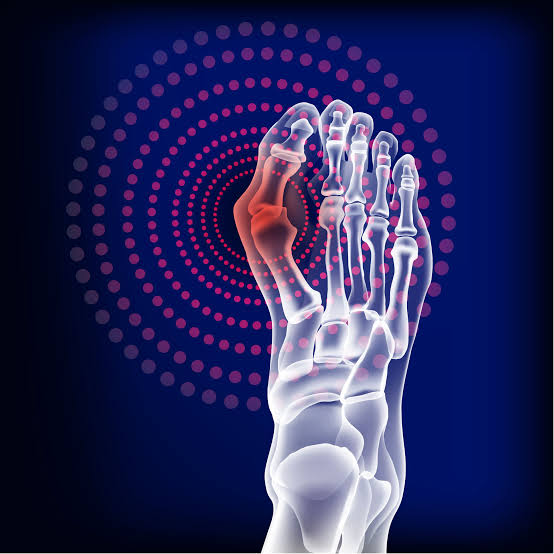
Arthritis is a common cause of joint pain and reduced mobility among adults. Millions of people live with some form of the condition, and it may affect individuals of nearly any age. Learning how the condition develops, as well as which treatment options are available, can help individuals have more informed conversations with their healthcare providers.
What Is Arthritis?
Arthritis is a general term that describes inflammation or degeneration of one or more joints. Rather than a single disease, it refers to a group of more than 100 related conditions that affect the joints, the tissues surrounding them, and other connective tissues in the body. Osteoarthritis develops when the cartilage that cushions the ends of bones gradually wears down over time. Without this protective layer, bones may rub against one another, and this can lead to pain and stiffness. Rheumatoid arthritis is an autoimmune condition. The immune system mistakenly targets the lining of the joints, known as the synovium.
What Are the Symptoms?
Arthritis symptoms vary depending on the type and the joints involved. Some people notice changes gradually over months or years, and others experience symptoms that appear more suddenly. There are some common signs associated with arthritis, including:
- Joint Pain: Discomfort may be constant or occur during or after movement.
- Stiffness: Many individuals report reduced flexibility.
- Swelling: The tissue around an affected joint may appear enlarged or feel tender to the touch.
- Range of Motion Reduction: Bending, straightening, or rotating a joint can become more difficult.
Certain forms of arthritis may also produce symptoms beyond the joints. Rheumatoid arthritis is sometimes associated with fatigue, low-grade fever, and a general feeling of being unwell.
How Is It Treated?
Most forms of arthritis are long-term conditions, so treatment generally focuses on managing symptoms. A treatment plan is typically based on the type of arthritis, as well as the severity of symptoms. Common approaches include:
- Medications: Over-the-counter or prescription pain relievers and anti-inflammatory drugs may help reduce discomfort.
- Exercise Guidance: A physical therapist can recommend exercises designed to improve strength, flexibility, and joint stability.
- Lifestyle Modifications: Regular low-impact activity along with weight management may reduce stress on affected joints.
- Injections: Injectable treatments can be used to address inflammation in specific joints.
- Surgery: In advanced cases, joint replacement may be recommended when other options have not provided sufficient relief.
People can use a combination of these approaches to manage pain and other symptoms. Treatment plans may be adjusted by the care provider as symptoms change over time.
Consult a Pain Management Specialist
Pain management specialists focus on evaluating and treating chronic pain, including pain related to arthritis. These physicians often use physical examinations and imaging studies to identify the source of discomfort. Seeking an evaluation early may allow for a wider range of treatment options, and this helps individuals understand how to manage their condition over time. If joint pain, stiffness, or swelling persists for more than a few weeks or begins to interfere with daily activities, an appointment with a pain management specialist can be a practical next step.