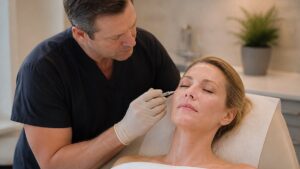
Skin health is influenced by various factors, including environmental conditions, age, and overall health. Dermatology uses diagnostic tools and targeted therapies to treat a range of concerns, and treatment plans are tailored to address each patient’s individual needs. Local patients can benefit from care that addresses current symptoms and supports long-term skin health. Here’s more information about how dermatology professionals diagnose and treat skin conditions:
Understanding Different Skin Conditions
Skin conditions may share certain characteristics, but each requires an individualized treatment approach. Acne involves clogged pores and inflammation, while eczema often results from skin barrier dysfunction and environmental triggers. Psoriasis causes rapid skin cell turnover that results in scaly buildup. Rosacea can trigger facial redness and visible blood vessels, commonly found on the cheeks, nose, and forehead. Dermatologists evaluate these patterns and begin appointments with a detailed medical history. They also examine the skin to identify signs that support an accurate diagnosis. Once the diagnosis is established, treatment can address underlying causes rather than symptoms alone.
Using Diagnostic Tools
Dermatologists use several methods to study the skin closely, as accurate diagnosis guides proper treatment. A visual exam provides initial clues, but some conditions appear similar and require more precise evaluation. In those cases, the dermatology specialist may use additional tools, such as:
- Dermatoscopy: A handheld device magnifies moles and lesions, making subtle structures visible.
- Skin biopsy: A small sample goes to a lab, and the report helps separate benign rashes from more serious disease.
- Patch testing: Adhesive patches with small amounts of substances are applied to the back to test for contact allergies.
- Photography: Clinical photos track moles and rashes over time, making patterns easier to see.
- Laboratory tests: Blood work can support diagnoses involving the immune system or internal organs.
Designing Treatment Plans
Treatment for skin conditions sometimes combines topical products, oral medication, and lifestyle guidance, depending on the diagnosis. Mild acne often responds to topical retinoids and gentle cleansers, while more stubborn cases may require oral medication and structured follow-up. Chronic eczema sometimes needs barrier-repairing moisturizers, prescription creams, and trigger management. Psoriasis and other immune-related disorders may require advanced therapies that target specific immune pathways. In warm, humid climates, dermatologists should also think about sweat, friction, and sun exposure when recommending products and routines.
Follow-up visits help refine treatment plans, and they also show how the skin responds over time. Some conditions improve quickly, while others progress in cycles and require long-term monitoring. Sun-related concerns may be more common in certain areas, such as along the coast. Regular skin checks help detect concerning spots early. Routine examinations can guide timely treatment decisions, especially for patients who live in high-UV environments and spend significant time outdoors.
Gentle cleansing, consistent moisturization, and broad-spectrum sunscreen form a basic routine for most people. Sunscreen use is key in sunny climates where UV exposure is strong for much of the year. Protective clothing, shade, and regular sunscreen reapplication can reduce cumulative damage and support long-term skin health. Fragrance-heavy products and harsh scrubs sometimes aggravate sensitive skin; if this occurs, patients should ask a dermatologist for help creating a more suitable routine.
Find a High-Quality Dermatology Clinic
When rashes, acne, or changing moles appear, a structured evaluation helps separate minor issues from conditions that need close attention. Dermatology professionals use specialized diagnostic tools, and they offer targeted medical treatments, such as light therapy. They can also provide practical guidance that aligns with daily life. If you notice persistent changes in your skin, visit a dermatologist for more information.