
Diabetes is a long-term health condition that affects millions of people around the world. Most people know that diabetes influences blood sugar levels, but fewer people realize how much it can affect the eyes and vision. Healthy eyesight depends on many delicate blood vessels and nerves inside the eye. When diabetes is not properly controlled, high blood sugar can damage these structures and lead to serious vision problems.
Understanding how diabetes affects eye health is important because many eye complications develop slowly and may not show symptoms at first. However, with early detection, proper treatment, and good diabetes management, many vision problems can be prevented or reduced.
Understanding Diabetes and Its Impact on the Body
Diabetes occurs when the body cannot properly use or produce insulin, the hormone that controls blood sugar. When blood sugar levels stay high for a long time, it can damage blood vessels throughout the body. This includes the tiny blood vessels in the eyes.
The eye contains a light-sensitive layer called the retina. The retina plays a major role in vision by sending signals to the brain. Because the retina relies on a network of very small blood vessels, it is especially vulnerable to damage caused by high blood sugar levels.
Over time, uncontrolled diabetes can weaken, block, or cause leakage in these blood vessels. When this happens, it can lead to several eye conditions that affect vision.
Diabetic Retinopathy
One of the most common eye problems related to diabetes is diabetic retinopathy. This condition develops when high blood sugar damages the blood vessels in the retina.
At first, the blood vessels may swell or leak fluid. In more advanced stages, new abnormal blood vessels may grow on the retina. These vessels are weak and can bleed easily, which may lead to blurred vision or even vision loss.
Diabetic retinopathy usually develops slowly. In the early stages, many people do not notice any changes in their vision. This is why regular eye exams are extremely important for people living with diabetes.
Symptoms that may appear later include:
- Blurred or fluctuating vision
- Dark spots or floaters
- Difficulty seeing at night
- Sudden vision loss in severe cases
If detected early, treatments such as laser therapy, medications, or surgery can help slow the progression of the disease.
Diabetic Macular Edema
Another condition linked to diabetes is diabetic macular edema. The macula is the central part of the retina responsible for sharp and detailed vision. It helps people read, drive, and recognize faces.
When blood vessels damaged by diabetes leak fluid into the macula, it causes swelling. This swelling can blur central vision and make everyday tasks difficult.
People with diabetic macular edema may notice:
- Blurry or wavy vision
- Difficulty reading
- Colors appearing washed out
- Dark or empty spots in central vision
Early treatment can prevent further damage and help maintain vision.
Increased Risk of Cataracts
People with diabetes are more likely to develop cataracts at a younger age than those without diabetes. A cataract occurs when the normally clear lens of the eye becomes cloudy.
High blood sugar levels can cause changes in the lens, leading to cloudiness and blurred vision. As cataracts develop, vision may become increasingly foggy or dim.
Common signs of cataracts include:
- Cloudy or blurry vision
- Sensitivity to bright light
- Difficulty seeing at night
- Colors appearing faded
Cataracts can usually be treated successfully with surgery, where the cloudy lens is replaced with an artificial one.
Glaucoma and Diabetes
Diabetes also increases the risk of glaucoma, a condition that damages the optic nerve. The optic nerve is responsible for sending visual signals from the eye to the brain.
Glaucoma often develops when pressure builds up inside the eye. In people with diabetes, abnormal blood vessels can block normal fluid drainage in the eye, causing pressure to rise.
If left untreated, glaucoma can lead to permanent vision loss. The condition usually develops slowly and may not cause symptoms at first.
Possible signs include:
- Gradual loss of side vision
- Eye pain or pressure
- Blurred vision
- Halos around lights
Regular eye exams help detect glaucoma early before significant damage occurs.
Why Early Detection Is Important
Many diabetic eye diseases do not cause noticeable symptoms in the early stages. By the time vision problems appear, significant damage may have already occurred.
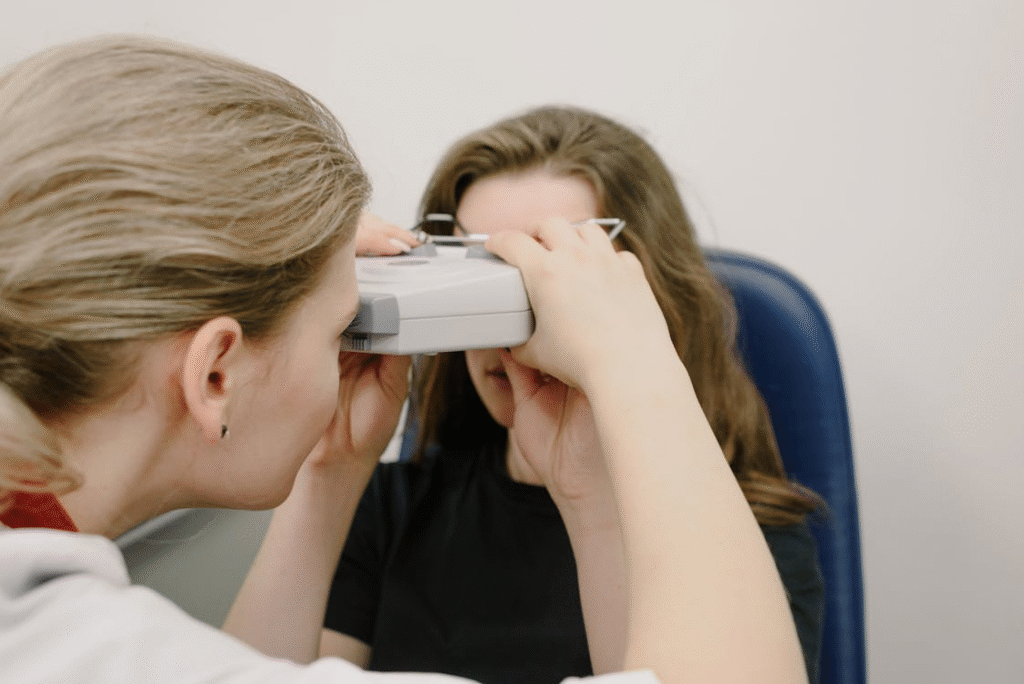
This is why eye specialists recommend that people with diabetes have a comprehensive eye exam at least once a year. During the exam, doctors may dilate the pupils to examine the retina and detect early signs of damage.
Early detection allows doctors to start treatment sooner, which greatly increases the chances of preserving vision.
How to Protect Your Eye Health with Diabetes
Although diabetes can affect the eyes, there are many steps people can take to protect their vision.
1. Control blood sugar levels
Maintaining stable blood sugar is one of the most important ways to prevent eye damage. Proper diet, medication, and regular monitoring can help keep blood sugar within a healthy range.
2. Monitor blood pressure and cholesterol
High blood pressure and high cholesterol can worsen eye damage. Managing these conditions reduces the risk of complications.
3. Schedule regular eye exams
Annual eye exams allow doctors to detect problems early and start treatment before vision is affected.
4. Maintain a healthy lifestyle
Eating nutritious foods, exercising regularly, and avoiding smoking all support overall eye health.
5. Report vision changes quickly
Any sudden changes in vision, such as blurred sight or dark spots, should be checked by an eye doctor immediately.
Living with Diabetes and Protecting Your Vision
Having diabetes does not automatically mean a person will lose their vision. Many people with diabetes maintain healthy eyesight throughout their lives. The key is awareness, proper management of the condition, and regular medical care.
Modern treatments for diabetic eye diseases have improved greatly in recent years. With early diagnosis and proper treatment, many people can prevent severe vision problems and continue enjoying clear sight.
Taking care of your eyes should be an important part of managing diabetes. By keeping blood sugar levels under control and scheduling regular eye checkups, you can greatly reduce the risk of diabetes-related vision complications.
Frequently Asked Questions (FAQs)
1. Can diabetes cause permanent vision loss?
Yes, uncontrolled diabetes can lead to serious eye diseases such as diabetic retinopathy and glaucoma, which may cause permanent vision loss if not treated early.
2. How often should people with diabetes get their eyes checked?
Most eye doctors recommend that people with diabetes have a comprehensive eye exam at least once a year.
3. What are the early signs of diabetic eye problems?
Early stages may not show symptoms. However, some warning signs include blurred vision, floaters, difficulty seeing at night, and dark spots in vision.
4. Can controlling blood sugar protect eyesight?
Yes. Maintaining stable blood sugar levels significantly reduces the risk of developing diabetic eye diseases.
5. Is blurry vision always a sign of diabetic eye disease?
Not always. Blurry vision can occur for many reasons, but people with diabetes should consult an eye doctor if they notice any changes in their vision.