Contact lenses are a convenient and popular alternative to glasses. Millions of people wear them every day because they provide clear vision and freedom during daily activities. However, contact lenses sit directly on your eyes, which means they must be handled with great care. Poor cleaning habits can lead to eye irritation, infections, or even serious vision problems.
Learning how to clean and maintain contact lenses safely is essential for protecting your eye health. In this article, we will explain simple and practical ways to keep your lenses clean, comfortable, and safe to wear.
Why Proper Contact Lens Care Is Important
Your eyes are very sensitive organs. When you place contact lenses on your eyes, they come into direct contact with the cornea. If lenses are dirty or contaminated with bacteria, they can easily cause infections.
Some common problems caused by poor lens care include:
- Eye redness and irritation
- Dry or itchy eyes
- Blurred vision
- Eye infections
- Corneal damage
These problems often happen when lenses are not cleaned properly or when people wear them longer than recommended. By following a proper cleaning routine, you can greatly reduce these risks and keep your eyes healthy.
Always Wash Your Hands First
The first and most important step in cleaning contact lenses is washing your hands. Your hands carry many germs and bacteria that can easily transfer to your lenses.
Before touching your lenses:
- Wash your hands with soap and clean water.
- Rinse your hands thoroughly.
- Dry them with a clean, lint-free towel.
Avoid using oily or scented soaps because they can leave residue on your hands. This residue can stick to your lenses and cause discomfort in your eyes.
Clean hands help prevent bacteria from reaching your lenses and protect your eyes from infections.
Use the Right Contact Lens Solution
Never clean your contact lenses with tap water, saliva, or homemade solutions. Water may contain harmful microorganisms that can damage your eyes.
Always use a recommended contact lens cleaning solution. These solutions are specially designed to:
- Remove dirt and protein deposits
- Kill bacteria and germs
- Disinfect lenses safely
There are different types of lens solutions, such as multipurpose solutions and hydrogen peroxide systems. Your eye doctor can recommend the best one for your lenses.
Using the correct solution keeps your lenses clean and comfortable throughout the day.
The Proper Way to Clean Contact Lenses
Cleaning contact lenses only takes a few minutes, but it is extremely important. Follow these simple steps every time you remove your lenses:
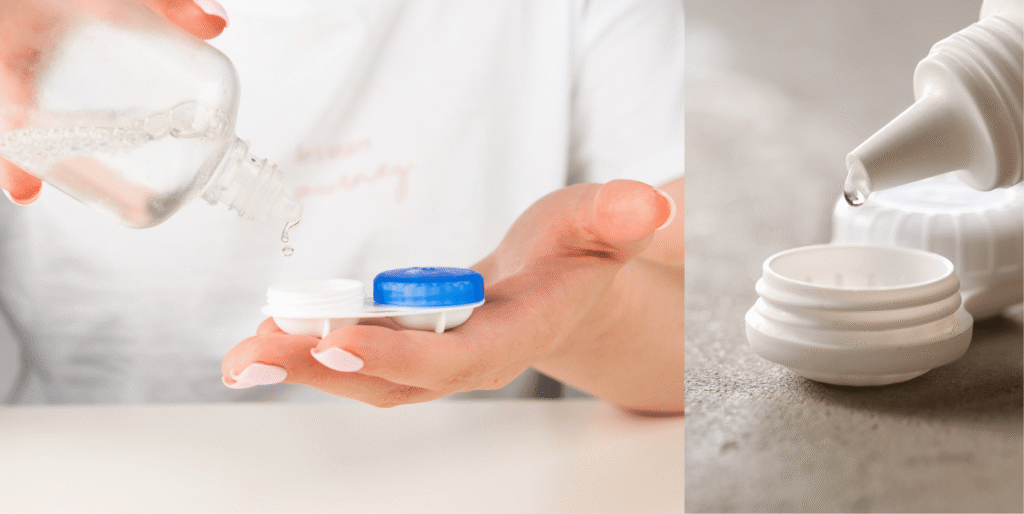
- Place the lens on your clean palm.
- Add a few drops of lens solution.
- Gently rub the lens with your fingertip for about 10–15 seconds.
- Rinse the lens with fresh solution.
- Place it in a clean lens case filled with disinfecting solution.
Even if the solution says “no-rub,” gently rubbing the lens can remove more debris and bacteria. This simple habit greatly improves lens cleanliness.
Clean and Replace Your Lens Case
Many people focus on cleaning their lenses but forget about the lens case. However, a dirty case can easily contaminate clean lenses.
To maintain a safe lens case:
- Empty the old solution after each use.
- Rinse the case with fresh contact lens solution.
- Let it air dry upside down on a clean surface.
- Replace the case every 1 to 3 months.
Avoid rinsing the case with tap water because it can introduce harmful microorganisms. A clean case is just as important as clean lenses.
Follow the Recommended Wearing Schedule
Contact lenses are designed to be worn for a specific period of time. Some lenses are daily, while others can be worn for two weeks or a month.
Never wear lenses longer than recommended. Overusing lenses can cause:
- Lack of oxygen to the eyes
- Dryness and irritation
- Increased risk of infection
Also avoid sleeping with your lenses unless your eye doctor says it is safe. Sleeping with lenses can trap bacteria and reduce oxygen flow to the eyes.
Replacing your lenses on schedule keeps them comfortable and hygienic.
Avoid Water Contact with Lenses
Water may look clean, but it can contain microorganisms that are harmful to your eyes. Swimming pools, lakes, and even tap water can introduce bacteria.
For this reason:
- Do not swim while wearing contact lenses.
- Remove lenses before showering.
- Never rinse lenses with water.
If you need vision correction while swimming, consider using prescription swimming goggles instead.
Protecting your lenses from water reduces the risk of serious eye infections.
Keep Your Lenses Moisturized
Dry lenses can cause discomfort and blurry vision. If your eyes feel dry, you can use lubricating eye drops that are safe for contact lens wearers.
Make sure the drops are labeled contact lens friendly. Regular eye drops may contain ingredients that are not suitable for lenses.
Staying hydrated and taking breaks from screen time can also help prevent dry eyes while wearing contact lenses.
Pay Attention to Eye Symptoms
Sometimes your eyes will show signs when something is wrong with your lenses. Never ignore symptoms such as:
- Redness
- Pain or discomfort
- Blurry vision
- Excessive tearing
- Light sensitivity
If you experience any of these symptoms, remove your lenses immediately and consult an eye doctor. Continuing to wear lenses when your eyes are irritated can make the problem worse.
Listening to your eyes helps prevent serious complications.
Visit Your Eye Doctor Regularly
Regular eye checkups are essential for contact lens users. Your eye doctor can:
- Check your eye health
- Ensure lenses fit properly
- Update your prescription if needed
- Detect early signs of infection
Even if your vision feels fine, it is recommended to have an eye exam at least once a year.
Professional guidance ensures that your lenses remain safe and comfortable for everyday use.
Final Thoughts
Contact lenses offer freedom, convenience, and clear vision, but they also require responsible care. Learning how to clean and maintain contact lenses safely protects your eyes from infections and discomfort.
Simple habits such as washing your hands, using proper cleaning solutions, replacing lenses on time, and keeping your lens case clean can make a huge difference. These small steps only take a few minutes but help maintain healthy eyes for years to come.
Always remember that your eyes are precious. Treat your contact lenses with care, follow good hygiene practices, and never ignore signs of eye irritation. With the right routine, you can enjoy the comfort and benefits of contact lenses safely every day.
Frequently Asked Questions (FAQs)
1. Can I clean my contact lenses with water?
No, you should never clean contact lenses with water. Tap water can contain harmful microorganisms that may cause serious eye infections. Always use a proper contact lens solution.
2. How often should I replace my contact lens case?
You should replace your lens case every 1 to 3 months. Old cases can collect bacteria and contaminate your lenses.
3. Is it safe to sleep while wearing contact lenses?
Sleeping with contact lenses is usually not recommended unless they are specifically designed for overnight wear. Doing so can increase the risk of eye infections.
4. What should I do if my eyes feel irritated while wearing lenses?
Remove the lenses immediately and give your eyes a break. If irritation continues, consult an eye doctor before wearing the lenses again.
5. How long can I wear contact lenses each day?
Most people wear contact lenses for 8 to 12 hours per day, but it depends on the type of lens and your eye doctor’s recommendation. Always follow the advised wearing schedule.