
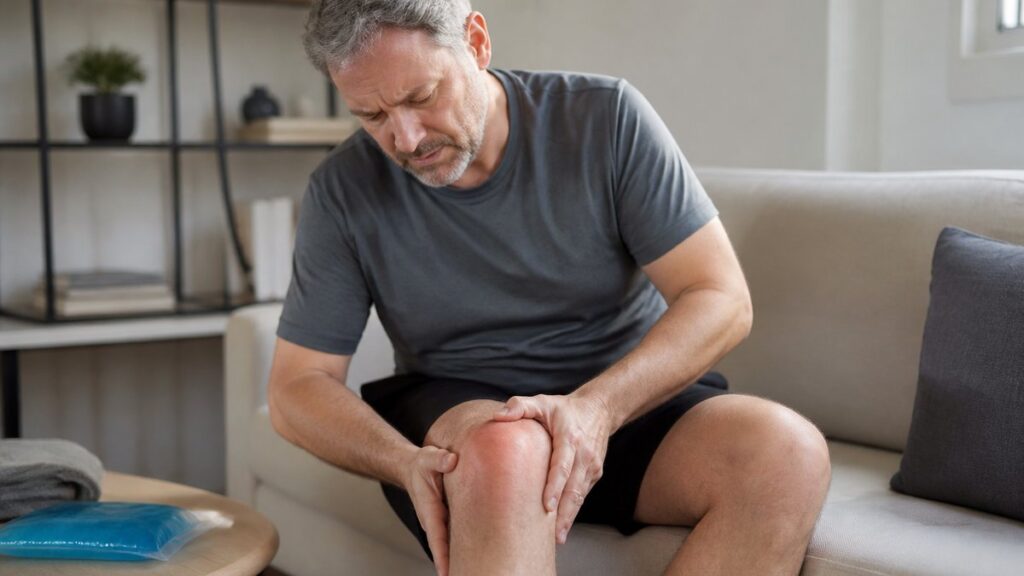
Knee pain following an injury may cause swelling, stiffness, and limited mobility, making everyday activities more difficult. Initial treatment often includes rest, ice, compression, and elevation, while physical therapy and medications may support recovery. Because persistent pain can indicate underlying joint damage or post-traumatic arthritis, medical evaluations help determine appropriate treatment options. Here is more information about how to manage knee pain after an injury:
Resting the Injured Knee
Resting an injured knee helps limit additional strain while irritated tissues begin healing. Applying ice for 15 to 20 minutes, using gentle compression, and elevating the leg may reduce swelling and discomfort. Although reducing weight-bearing activities can protect the joint, prolonged immobility contributes to stiffness and muscle weakness. Gentle movement, when appropriate, helps maintain circulation and flexibility without placing excessive stress on the injured knee.
Reducing Swelling and Inflammation
Swelling after a knee injury occurs when fluid accumulates around damaged or irritated tissues. Although inflammation supports the body’s healing response, excessive swelling may restrict movement and increase discomfort. Over-the-counter anti-inflammatory medications, such as ibuprofen or naproxen, help manage pain and swelling when medically appropriate.
Elevation and gentle compression provide additional ways to manage swelling during recovery. Raising the injured leg while resting may reduce fluid accumulation, while compression sleeves provide light support. When combined with periodic icing, these approaches may help manage discomfort during the early healing period. Compression should remain comfortable and should not restrict circulation.
Persistent or worsening swelling is able to indicate an underlying injury requiring further evaluation. Meniscus tears, cartilage damage, and ligament injuries can contribute to ongoing knee inflammation. Because symptoms alone cannot identify the cause, healthcare providers are able to recommend physical examinations or imaging tests to investigate persistent swelling.
Restoring Movement and Strength
Gentle movement helps restore knee flexibility and reduce stiffness once initial pain and swelling improve. Exercises such as heel slides and straight-leg raises can support muscle strength without placing excessive stress on healing tissues. Because recovery varies by injury type, activity levels should increase gradually according to medical guidance.
Physical therapy provides structured exercises targeting the quadriceps, hamstrings, and muscles supporting knee stability. Therapists assess mobility, strength, and balance before developing individualized rehabilitation plans. Although progress differs between patients, gradual rehabilitation may improve joint function and support a safer return to daily activities.
Exploring Medical Treatment Options
Persistent knee pain may require additional treatment when rest, medication, and physical therapy provide insufficient relief. Healthcare providers evaluate symptoms, medical history, and imaging results to identify possible causes. Depending on the diagnosis, treatment options include:
- Reducing joint inflammation: Corticosteroid injections provide temporary relief from inflammation and discomfort within the knee joint.
- Improving joint lubrication: Hyaluronic acid injections help manage osteoarthritis-related symptoms, although treatment effectiveness varies.
- Supporting knee stability: Braces and orthotic devices provide additional support during movement and daily activities.
- Repairing joint damage: Arthroscopic surgery addresses certain meniscus injuries or other structural problems requiring surgical treatment.
- Targeting abnormal blood flow: Genicular artery embolization reduces blood flow through selected arteries associated with osteoarthritis-related inflammation and pain.
Treatment recommendations depend on injury severity, joint health, and individual recovery goals. X-rays or MRI scans help identify structural changes before selecting a procedure. Because each treatment carries different benefits and risks, specialists discuss appropriate options based on examination findings.
Schedule a Knee Pain Evaluation
Knee pain following an injury may involve swelling, stiffness, instability, or difficulty performing daily activities. Initial care often includes rest, ice, and gradual rehabilitation, while persistent symptoms require additional medical treatment. Because ongoing discomfort can indicate underlying joint damage, healthcare providers evaluate symptoms and recommend appropriate diagnostic tests or procedures. Schedule a knee evaluation today to discuss persistent symptoms and explore treatment options based on your condition.