
Hormonal imbalances occur when the endocrine system produces an incorrect amount of hormones, either too much or too little. Hormones travel through the bloodstream, and they regulate numerous bodily systems. Even a slight imbalance may create noticeable physical changes because hormones dictate metabolism and reproductive cycles. Here is more information about hormones and their effect on women’s health:
Exploring Hormone Functions
Hormones act as messengers in the body, and they govern women’s health throughout different life stages. They regulate the menstrual cycle, control heart rate, and manage mood stability. When an irregularity occurs, varied physical and mental symptoms may surface. A patient might experience sudden weight changes or sleep disruptions.
When a hormone imbalance occurs, symptoms can range from mild discomfort to severe disruption. Women might experience persistent acne breakouts, and sometimes they have chronic fatigue. Medical professionals look for indicators of underlying endocrine problems.
Common signs of hormonal imbalance may include:
- Unexplained weight fluctuations
- Noticeable hair thinning
- Unusually heavy menstrual periods
- Severe night sweats
- Unpredictable mood swings
Because these symptoms disrupt daily routines, treating the root cause brings relief. Doctors run tests to measure hormone levels, and they develop personalized care plans.
Utilizing Birth Control
Taking hormonal birth control can resolve certain chemical imbalances. Oral contraceptives introduce synthetic estrogen and progestin into the system, and these medications stabilize the body’s natural cycle. This stabilization sometimes reduces acne because the pills lower overall testosterone levels. Patients with polycystic ovary syndrome take these prescription medications to regulate their irregular periods. The synthetic chemicals stop ovulation, and they prevent extreme hormonal drops throughout the month. Doctors prescribe different formulations because each patient needs a customized approach. These medications stop painful ovarian cysts from forming, and they may stabilize irregular periods.
Navigating Menopausal Changes
Menopause naturally begins when the ovaries permanently stop releasing eggs. The body dramatically decreases its natural estrogen production, and this sudden drop causes significant biological changes. A patient will eventually stop having regular menstrual periods entirely. During this multi-year transition, chemical imbalances can trigger intense hot flashes and severe mood swings. Bone density decreases during this time because estrogen, which declines during menopause, protects skeletal strength.
Medical professionals treat menopausal issues with targeted hormone replacement therapy. This treatment supplements the body’s declining estrogen levels, and it may relieve some transition symptoms. When doctors prescribe daily pills or skin patches, it may reduce intense night sweats and improve overall sleep quality. Regular monitoring allows the medical provider to adjust the therapy over time.
Prioritizing Regular Exams
Regular medical appointments help doctors identify endocrine issues early. A physician runs comprehensive blood tests during an annual exam, and these routine tests reveal hidden chemical irregularities. Early detection prevents minor problems from becoming severe conditions because prompt intervention can stop disease progression. Doctors track biological changes over several years, and they adjust active treatments accordingly.
Here are some examples of regular screenings a women’s healthcare provider may perform:
- Pap Smear
- Mammograms
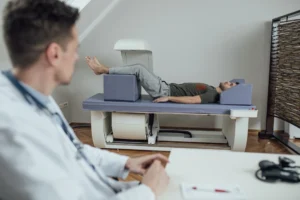
- Bone density test
- Blood pressure screening
- Cholesterol and lipid panels
- Diabetes screening
- Thyroid function test
- Sexually transmitted infection tests
- Mental health assessments
Learn More About Women’s Health
Hormonal fluctuations cause various physical and emotional symptoms throughout a typical lifespan. Birth control pills manage cycle irregularities, and hormone replacement therapy eases difficult menopausal transitions. Routine medical visits catch minor irregularities early on. If you suspect you have hormone issues, consult a women’s healthcare provider near you.