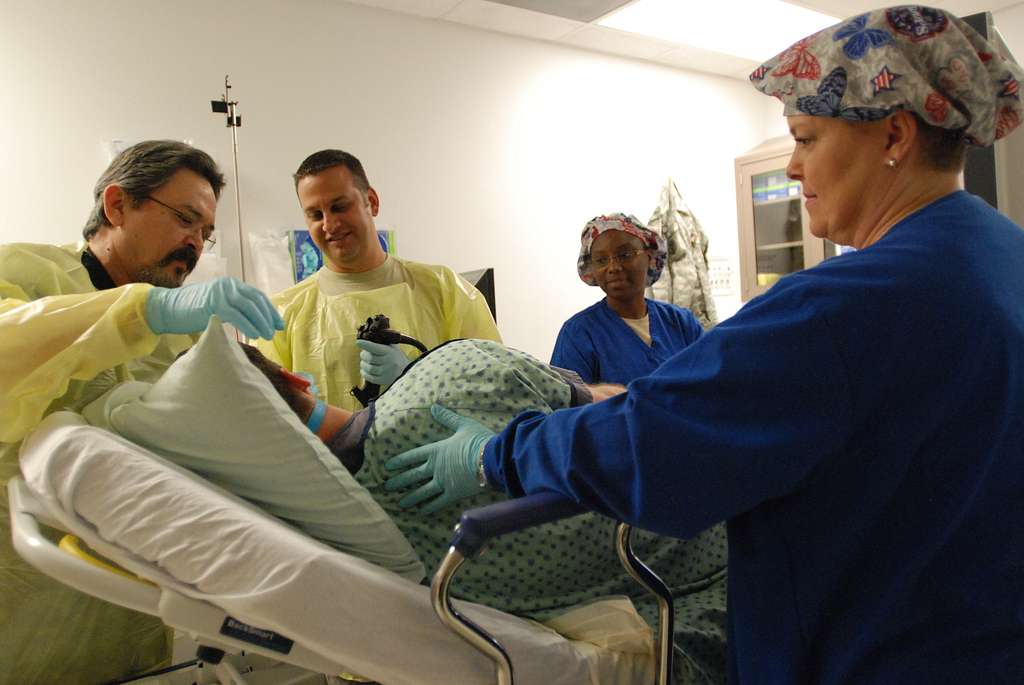
Endoscopy uses a thin, flexible instrument with a camera to examine the digestive tract and identify abnormalities. Gastroenterologists use upper endoscopy to evaluate conditions such as gastroesophageal reflux disease (GERD), ulcers, and inflammation. Although procedures vary by location, colonoscopy allows providers to examine the colon, detect polyps, and screen for colorectal cancer. Here is more information about the role of endoscopy in gastroenterology:
Diagnosing Digestive Disorders Early
Endoscopy allows a gastroenterologist to examine digestive tract tissue and identify abnormalities that may contribute to gastrointestinal symptoms. The procedure provides direct visualization of inflammation, ulcers, and structural changes that require further evaluation. Although symptoms sometimes overlap between digestive conditions, endoscopic findings help providers distinguish certain disorders and guide appropriate treatment. Common conditions and findings evaluated through endoscopy include:
- Identifying esophageal inflammation: Examining tissue changes associated with gastroesophageal reflux disease.
- Detecting digestive ulcers: Locating sores within the stomach or upper small intestine.
- Evaluating intestinal inflammation: Examining tissue abnormalities associated with inflammatory bowel diseases, including ulcerative colitis.
- Identifying abnormal growths: Detecting polyps or suspicious tissue during colonoscopy examinations.
- Assessing liver disease complications: Identifying enlarged esophageal veins associated with certain advanced liver conditions.
Detecting Colon Polyps Early
Colon polyps develop along the colon lining and often produce no noticeable symptoms. Colonoscopy allows gastroenterologists to examine the colon, identify abnormal growths, and remove many polyps during the same procedure. Removed tissue is typically sent for laboratory analysis to determine whether additional evaluation or monitoring is necessary. Because screening recommendations vary, providers review polyp findings, medical history, and individual risk factors when planning future colonoscopies.
Screening for Colon Cancer
Colonoscopy allows gastroenterologists to examine the colon lining for abnormal tissue, precancerous polyps, and signs of colorectal cancer. During the procedure, providers may remove suspicious growths or collect tissue samples for laboratory analysis. Because colorectal cancer sometimes develops without noticeable symptoms, routine screening helps identify abnormalities before symptoms appear.
Colorectal cancer screening recommendations depend on age, medical history, family history, and individual risk factors. Patients with previous polyps or certain gastrointestinal conditions may require more frequent colonoscopies. Gastroenterologists review examination findings and screening histories to recommend appropriate follow-up intervals and additional evaluations when necessary.
Treating Chronic GI Conditions
Chronic gastrointestinal conditions often require ongoing evaluations to monitor symptoms, tissue changes, and treatment responses. Gastroenterologists use endoscopy to examine inflammation, assess tissue healing, and identify complications associated with certain digestive disorders. Because monitoring needs vary, providers recommend repeat procedures based on medical history, symptoms, and previous examination findings.
Endoscopic evaluations also help identify digestive tract complications associated with advanced liver disease. Although irritable bowel syndrome does not typically cause visible tissue damage, endoscopy sometimes helps exclude other conditions. Common uses of endoscopy in chronic gastrointestinal care include:
- Monitoring ulcerative colitis: Evaluating intestinal inflammation, tissue healing, and changes associated with ongoing disease activity.
- Assessing GERD complications: Examining the esophageal lining for inflammation, narrowing, or other changes associated with chronic reflux.
- Investigating persistent symptoms: Examining unexplained digestive complaints when additional testing is appropriate.
- Evaluating liver disease complications: Identifying enlarged esophageal veins that may develop with portal hypertension.
- Reviewing treatment responses: Comparing examination findings over time to guide adjustments in ongoing gastrointestinal care.
Schedule With a Gastroenterologist
Endoscopy allows gastroenterologists to examine digestive tract tissue and identify abnormalities associated with various gastrointestinal conditions. These procedures support colon polyp detection, colorectal cancer screening, and evaluations for conditions such as GERD and ulcerative colitis. Because persistent digestive symptoms have different possible causes, providers review medical history and examination findings before recommending appropriate diagnostic procedures. Schedule an endoscopy consultation today to discuss ongoing digestive symptoms and explore available evaluation options.